
The Whole City as a Learning Environment
Go Out to Learn and Grow!
The current curricula in Finland and the city-specific guidelines in Helsinki strongly encourage early childhood education and pre-primary education to extend beyond the walls and grounds of daycare centers. This aligns perfectly with Kamukoti's experiential and action-oriented environmental education. We regularly go on excursions with children of all ages on a weekly basis.
Where to Start?
When selecting excursion destinations, one can utilize a map of the local area, the knowledge of colleagues, and for example, the learning areas of early childhood education: What would we like to learn right now, and how could an unconventional environment assist in that? The subjects of children's wonder, their interests, and ideas are also a good starting point and a great opportunity to enhance children's participation in planning. At the beginning of the pre-primary year at Kamukoti, children drew their wishes, which an adult then clarified through interviews. Even though not all wishes—such as a trip to space—could be realized as an excursion, elements of those wishes can be integrated into educational work through play, storytelling, and artistic activities.
Suitable excursion destinations may also be found through the occupations or hobbies of children's parents. What kinds of businesses or communities are nearby the daycare or home? From Kamukoti, we have visited, for example, a local veterinary clinic to learn about examining and caring for animals, as well as a senior activity center to bring joy with our small performances.
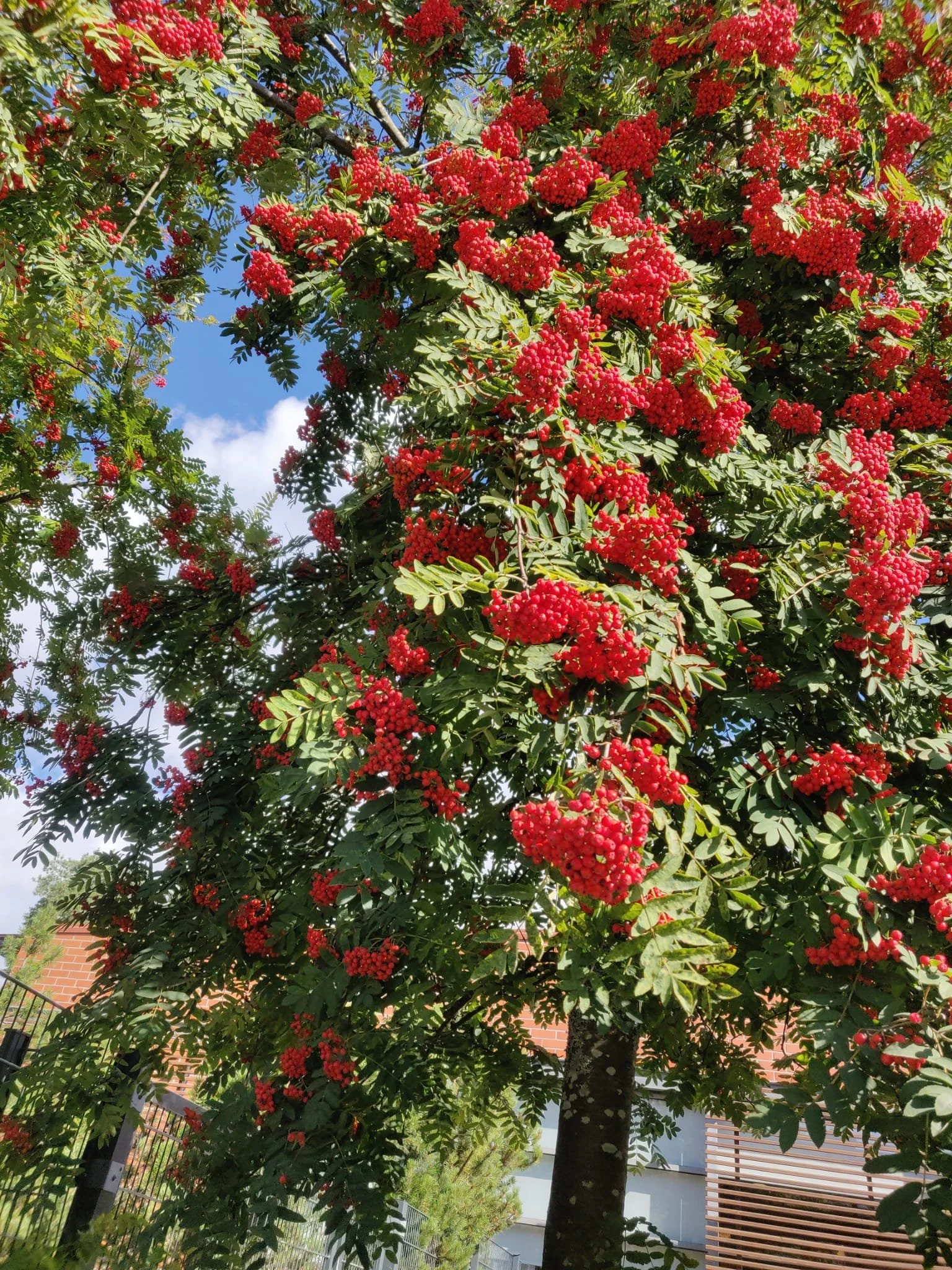
The particular characteristics of the seasons certainly add a unique flavor to the ideation of outdoor learning. What can be done specifically in the fall, and what works best only in winter or spring? The same nature excursion destination can serve as a completely different starting point for learning in different seasons when exploring, for instance, water states, insects, birds, or simply as a place to play.
From Near to Far
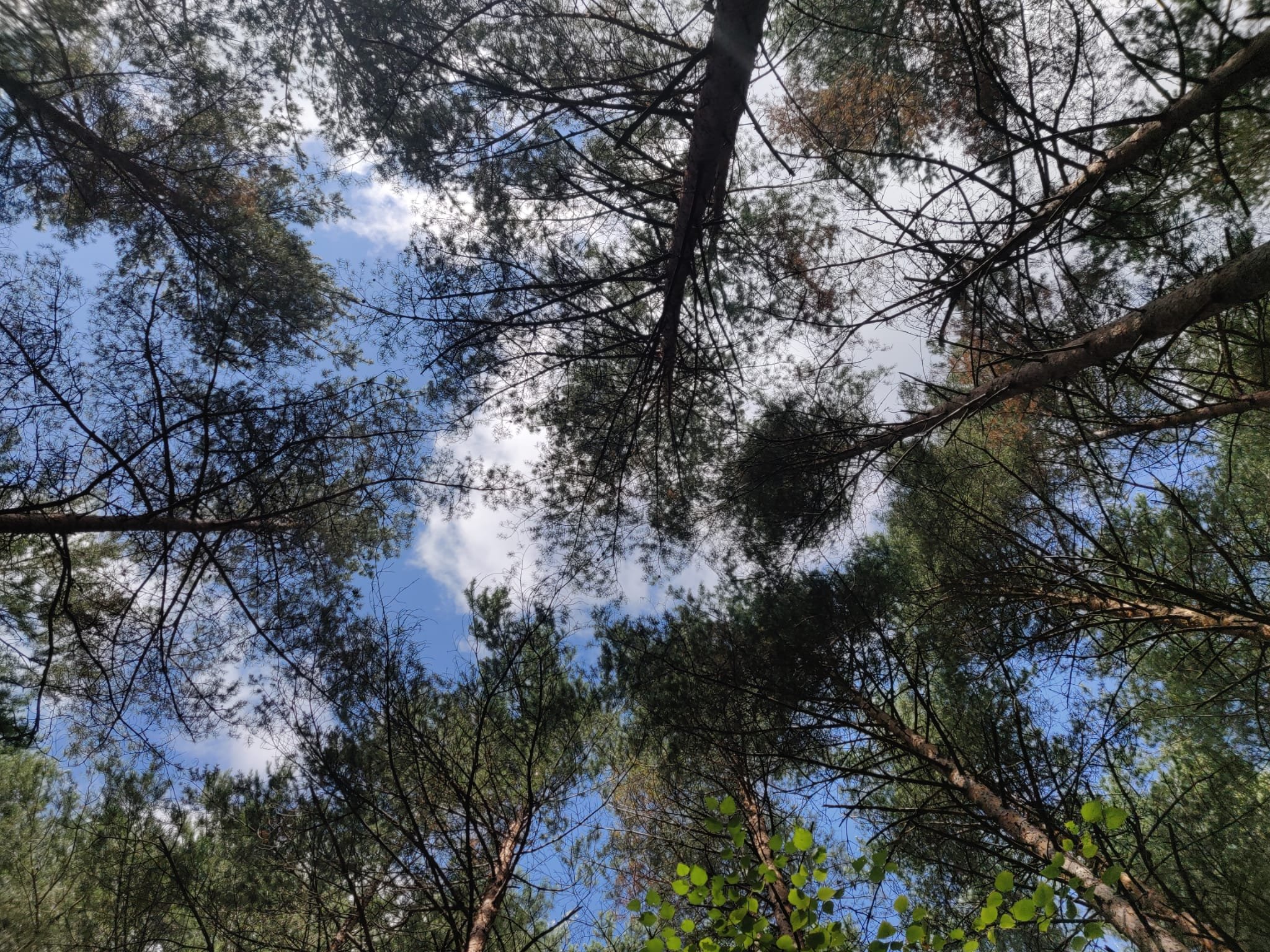
The younger the children, the easier it is to start expanding the learning environment from nearby areas. Is there a small grove near the daycare or home? Through an adult's eyes, a few trees may seem insignificant, but to a small child, it is an adventure jungle! We cherish the small nearby forest next to Kamukoti, which is so small that it doesn't even appear properly on maps. Yet, it is an important and easily accessible excursion destination for the smallest children all the way up to pre-primary age. Together, we have explored trees, stones, birds, and various weather phenomena there. In addition to physical activity in the forest, we have practiced subjects such as mathematics, expression, and languages. Additionally, children have had the opportunity to practice movement and free play skills, using their imagination without ready-made tools.
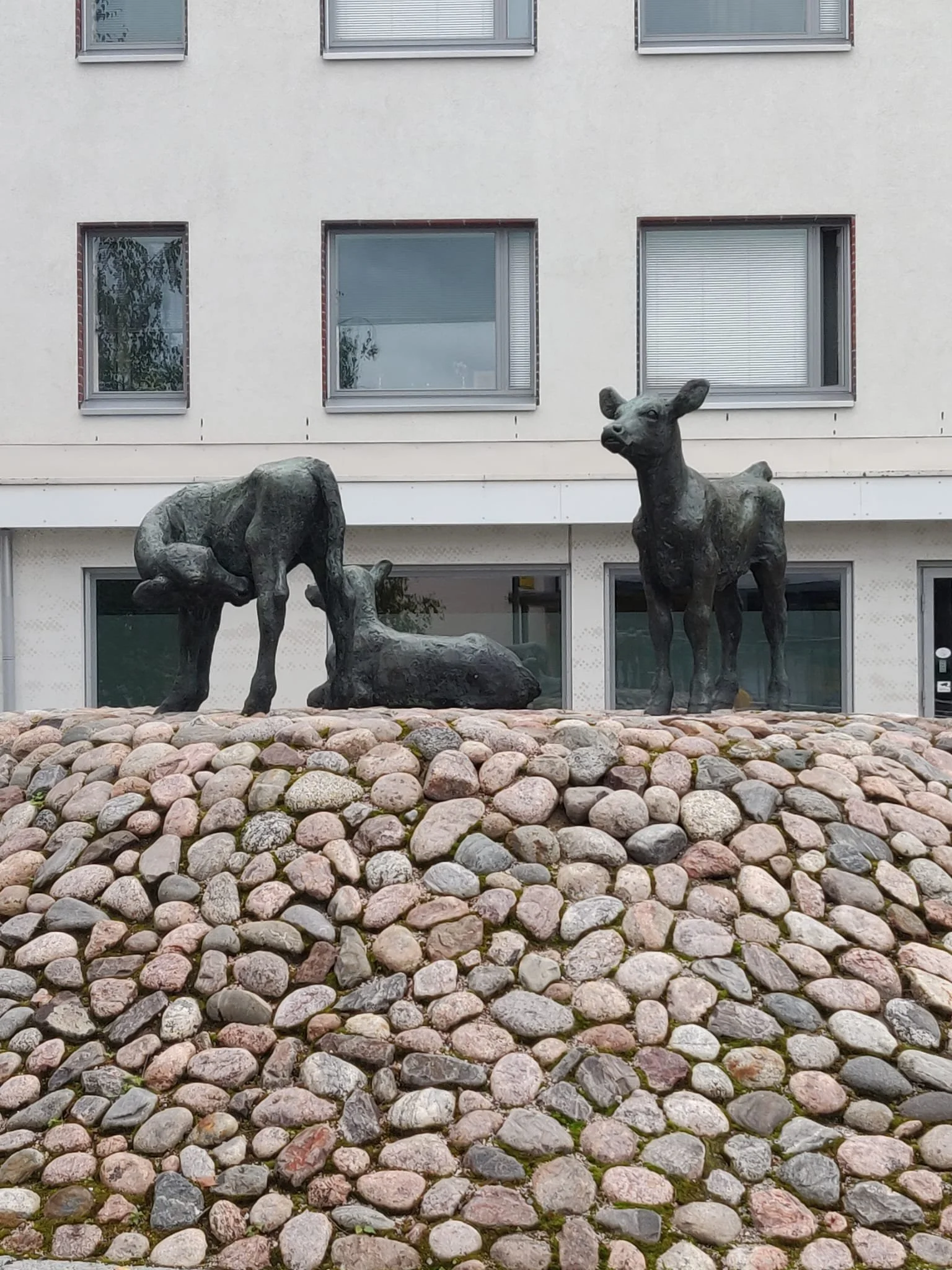
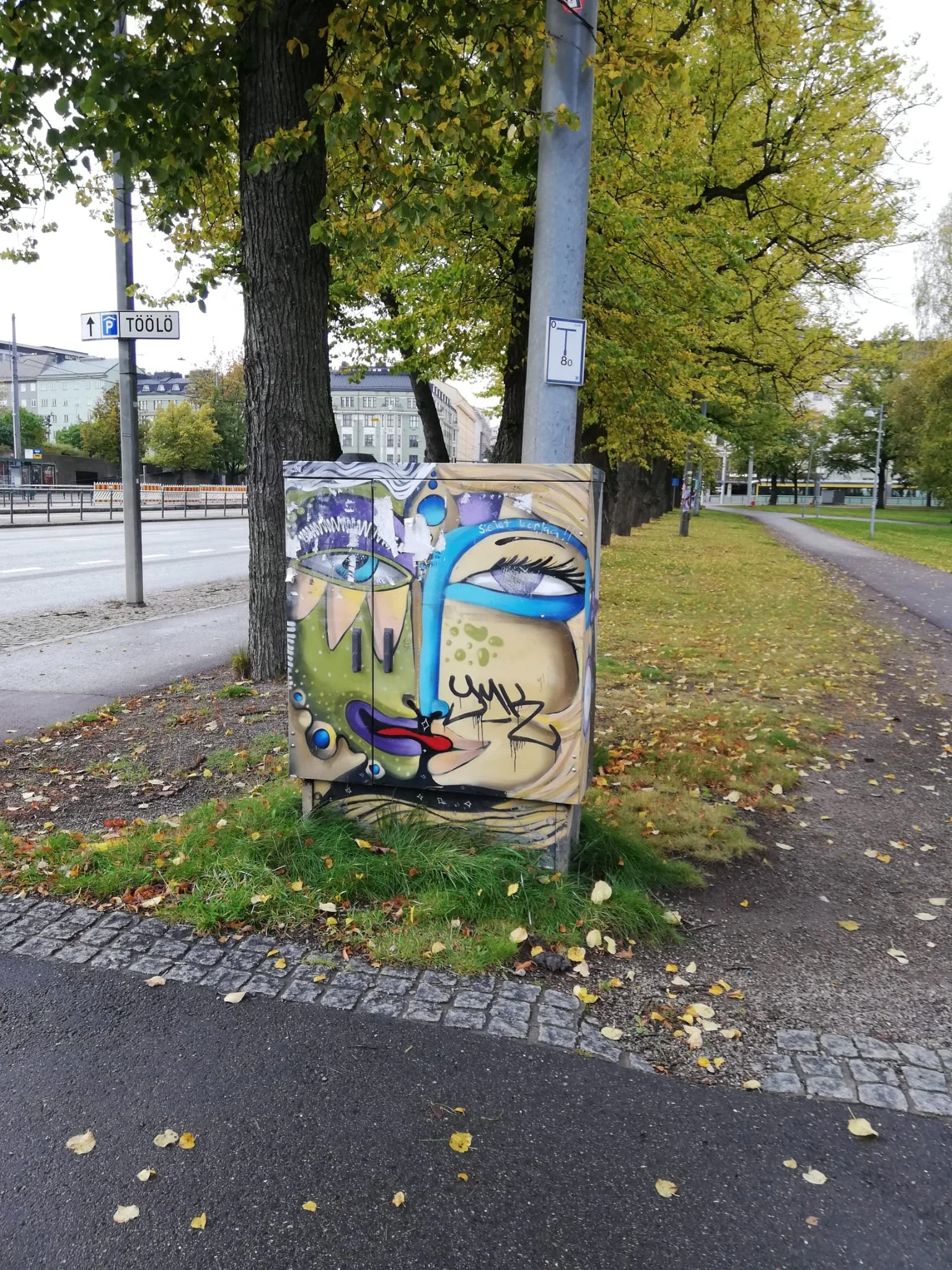
Walking excursions in the built environment nearby can also serve as a stage for various types of learning. Could we, for example, visit the doorsteps of the children in our group, are there community gardens nearby, interesting public art, or a construction site? Even small children are often interested in exploratory learning when they are encouraged first to notice various things outside, and together we try to find answers to their questions. A simple wooden frame and a camera are also good tools for focusing on observation and capturing interesting details.
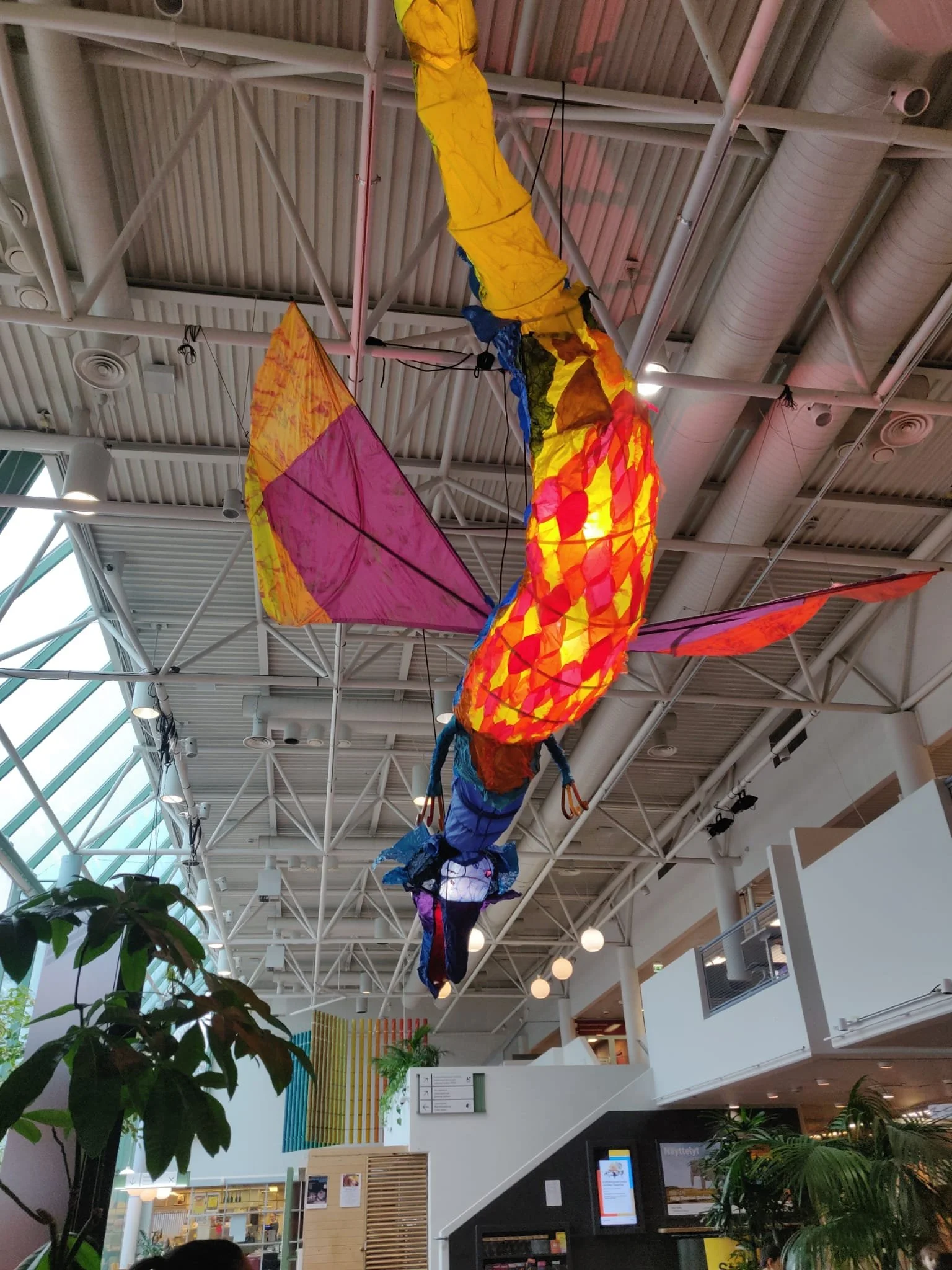
As children grow, various museums, parks, squares, libraries, city cultural centers, sports parks, and nature houses offer many places for exploration and activity for both families and early childhood education groups, often free of charge. Kultus https://kultus.hel.fi/fi is the City of Helsinki's site where cultural events can be searched by different age groups. It is advisable to approach businesses and communities with clear proposals for collaboration, informing them about the size of the child group, suitable times, and learning starting points.
Important Excursion Preparations for Traffic Skills
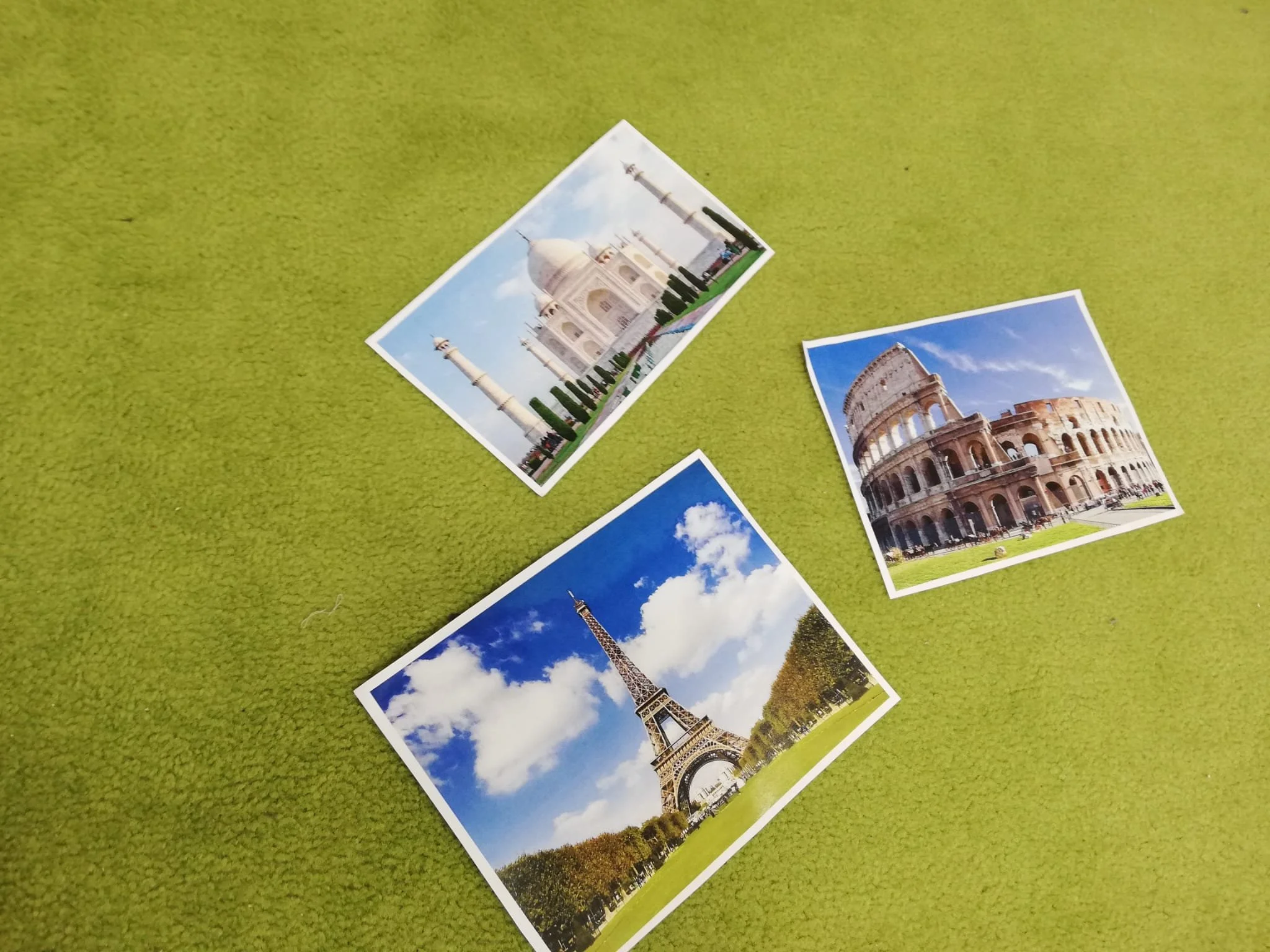
A good excursion begins with preparing the topic with children through stories, pictures, and play. In advance, we can practice being an audience or collaboratively plan questions to investigate at the excursion destination. We can go through what supplies and snacks are needed for a nature excursion, or what is allowed and not allowed in an art museum, for example. Children can also share information with each other based on their previous experiences: Someone may have previously gone fishing, attended a birdwatching trip, or visited a recycling center.
It is easier for children to walk in pairs, headed in the right direction, and follow traffic when these skills have been practiced together through play and sufficient visual support. Every journey outside the daycare or home yard is, on the one hand, an excellent opportunity to practice traffic skills, such as safely crossing the street and understanding right-hand traffic. And sometimes the main content of the excursion can be specifically traveling by a certain mode of transport, such as a light rail vehicle.
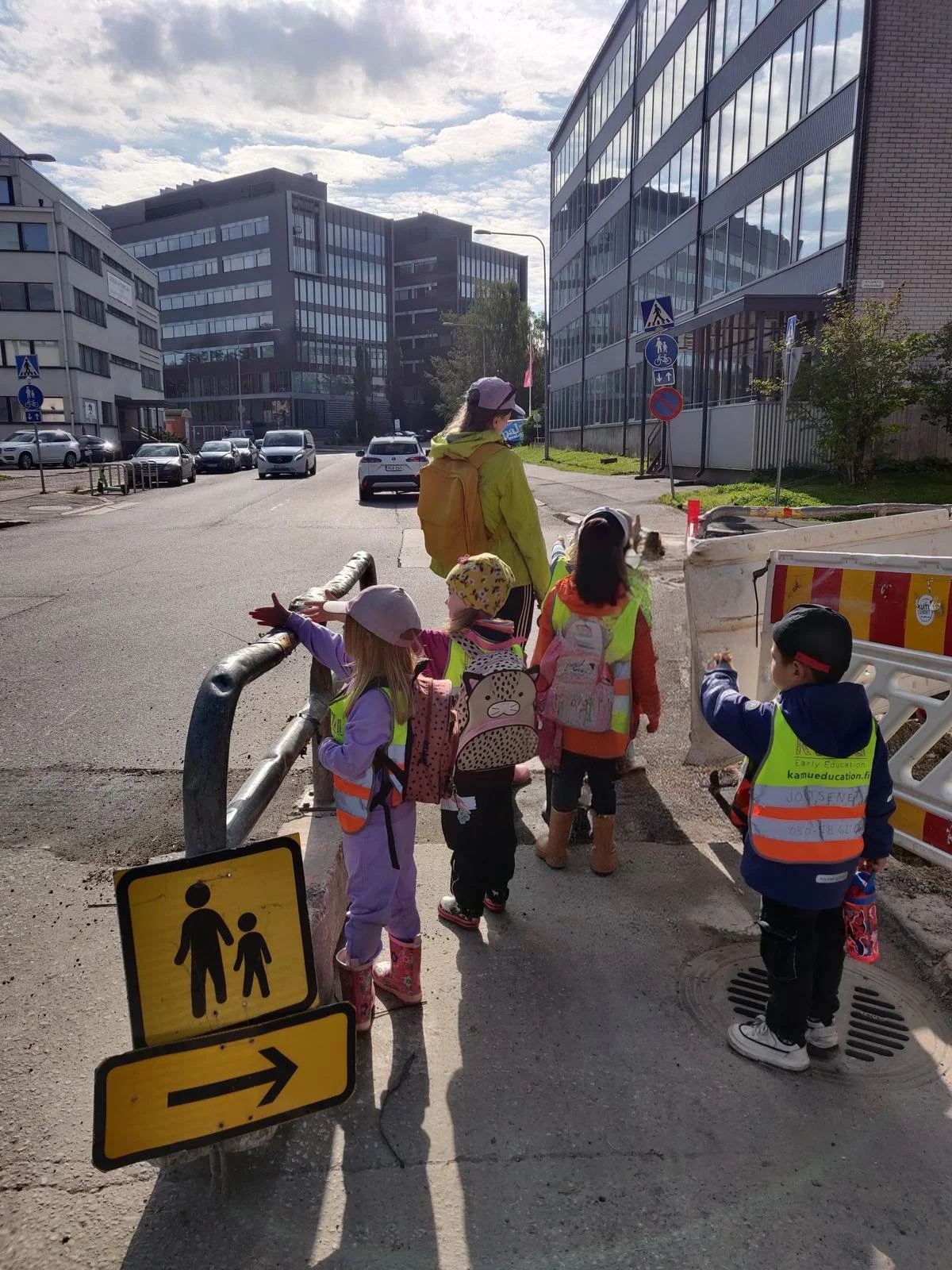
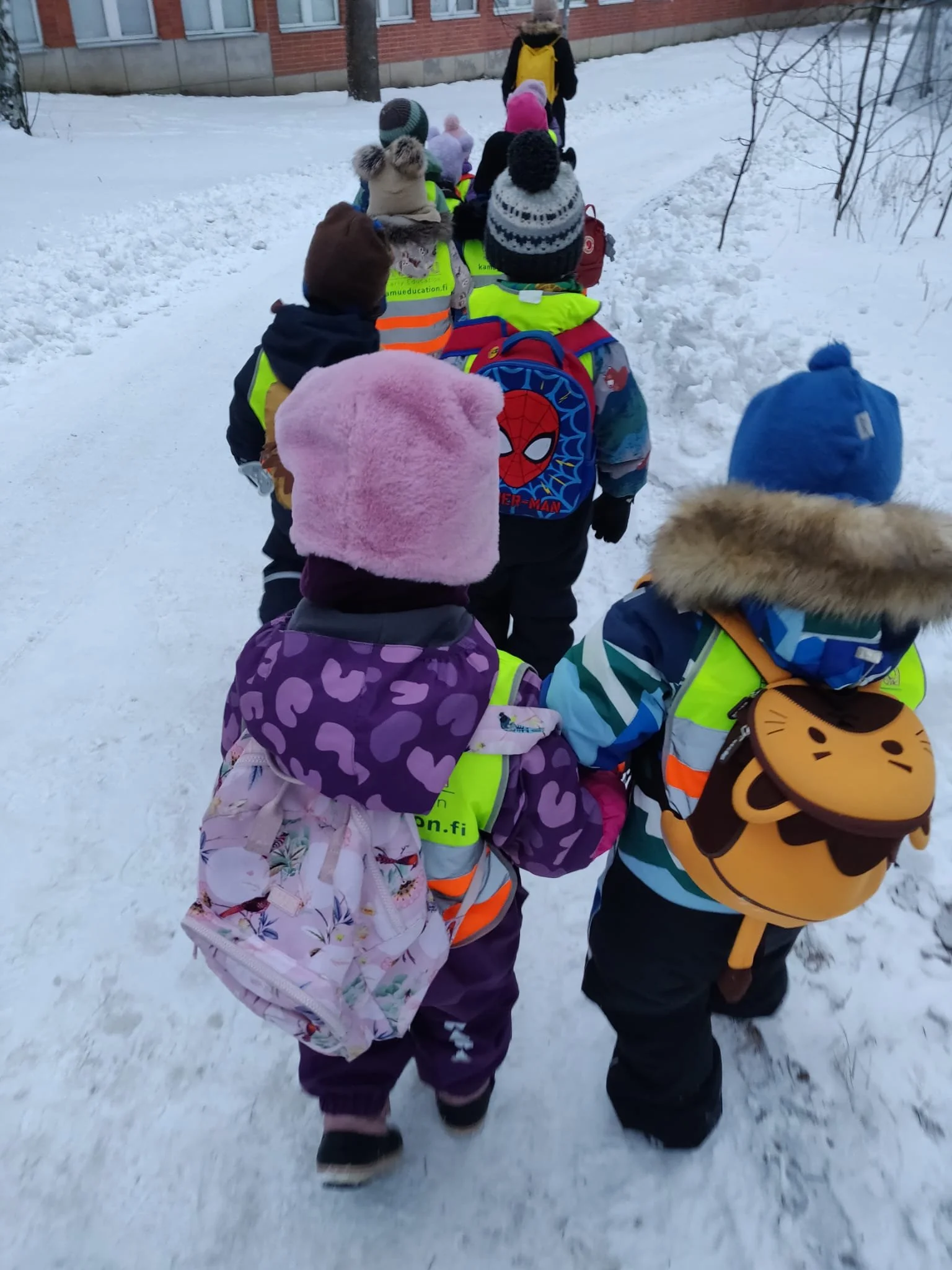
Clear excursion rules agreed upon in advance enhance the safety of the trip as much as a first-aid kit. When the excursion destination is unfamiliar to the adult, it is good to familiarize oneself with the location from the perspective of safety, accessibility, and, for example, children's restroom needs. Even in a familiar environment, an adult can sometimes walk in a squatting position—this perspective allows the smallest ones to experience the same landscape!
From Souvenirs to New Excursions!
At its best, returning to the excursion destination involves reminiscing, drawing, talking, utilizing photographs taken during the trip, learned vocabulary, and new games. Excursions as a shared experience provide an opportunity to strengthen the positive community spirit of the family or group and children's interested and caring relationship with their living environment. For example, the older children at Kamukoti notice every piece of litter during excursions and want to collect it.
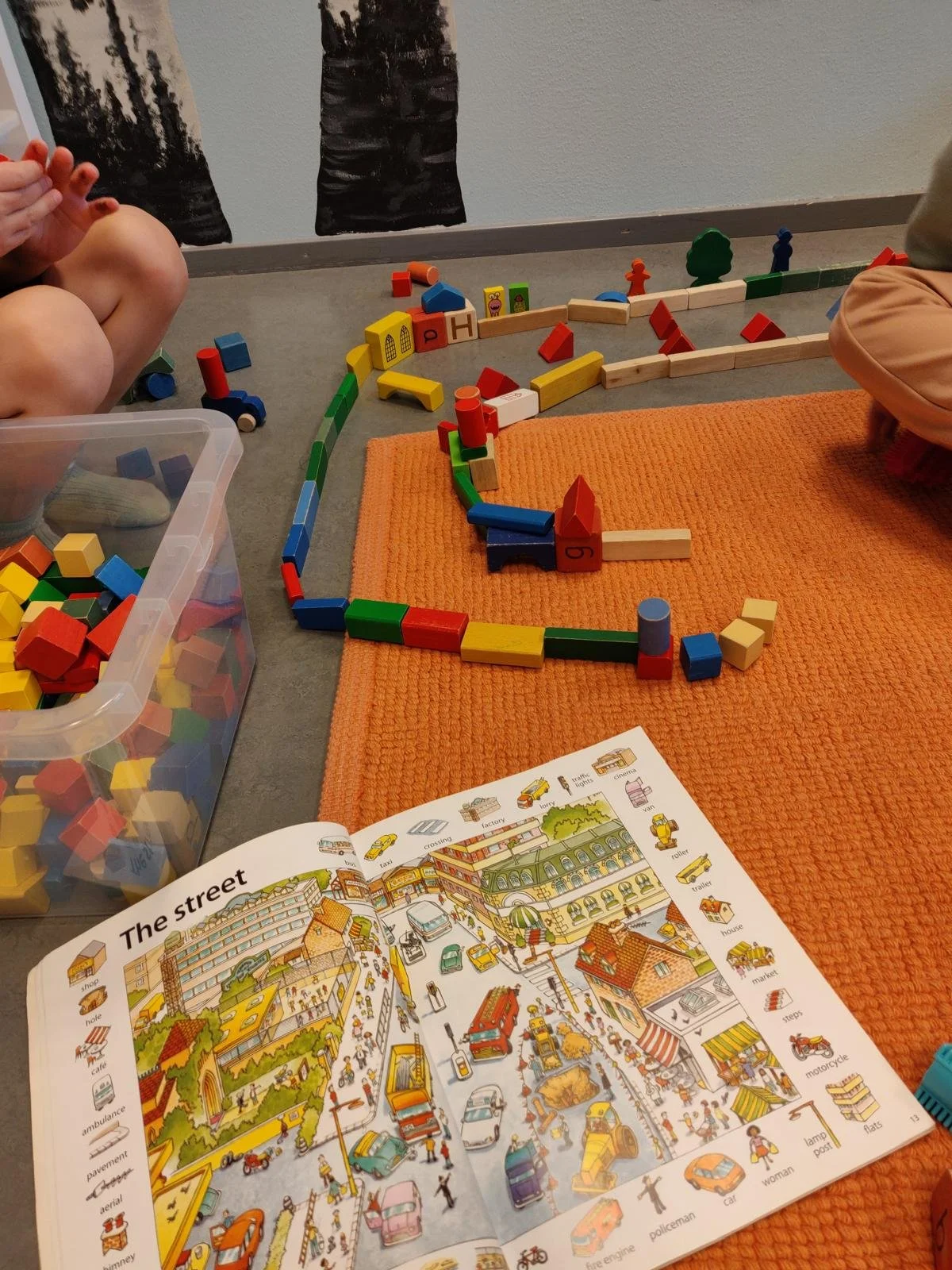
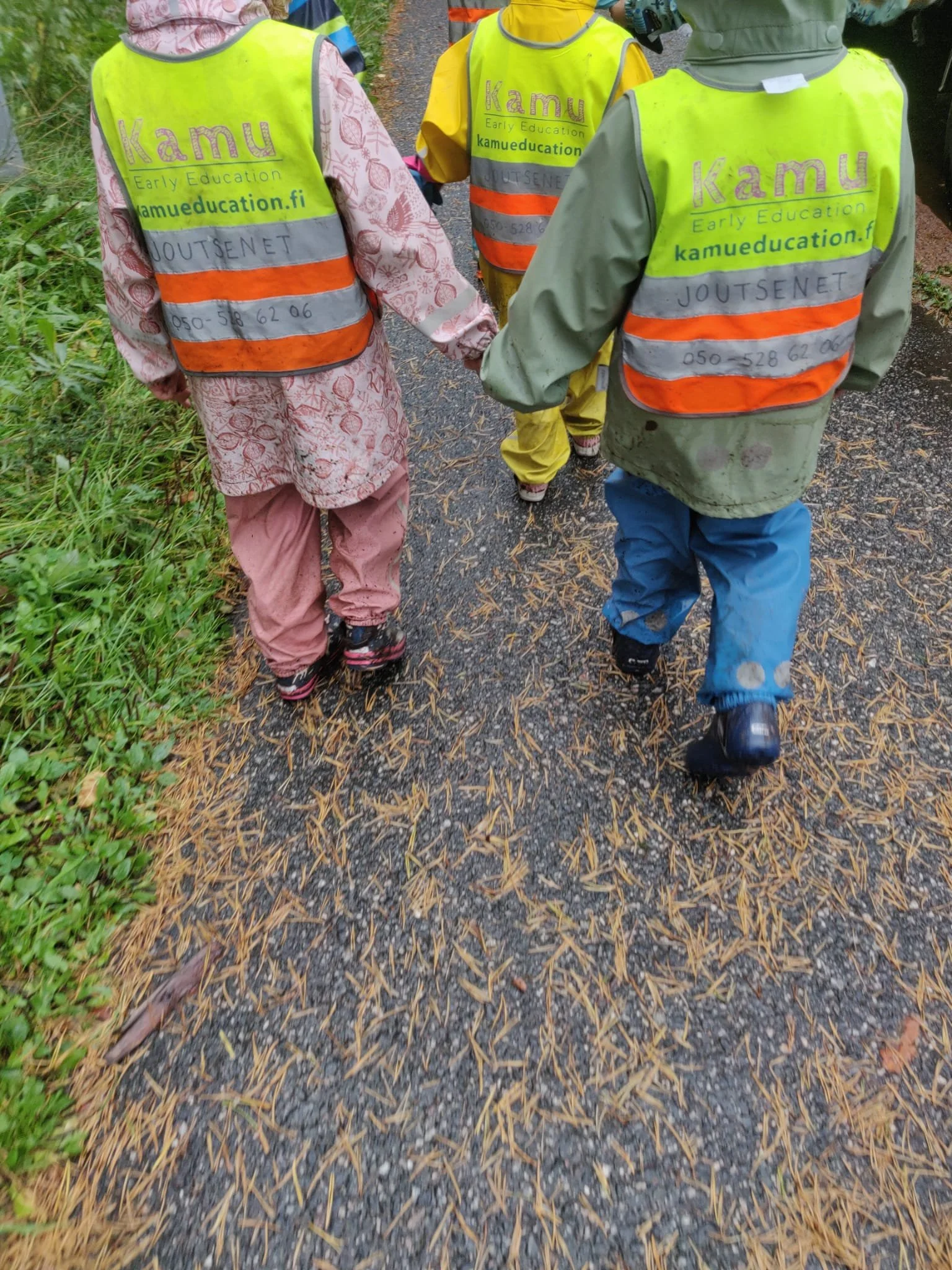
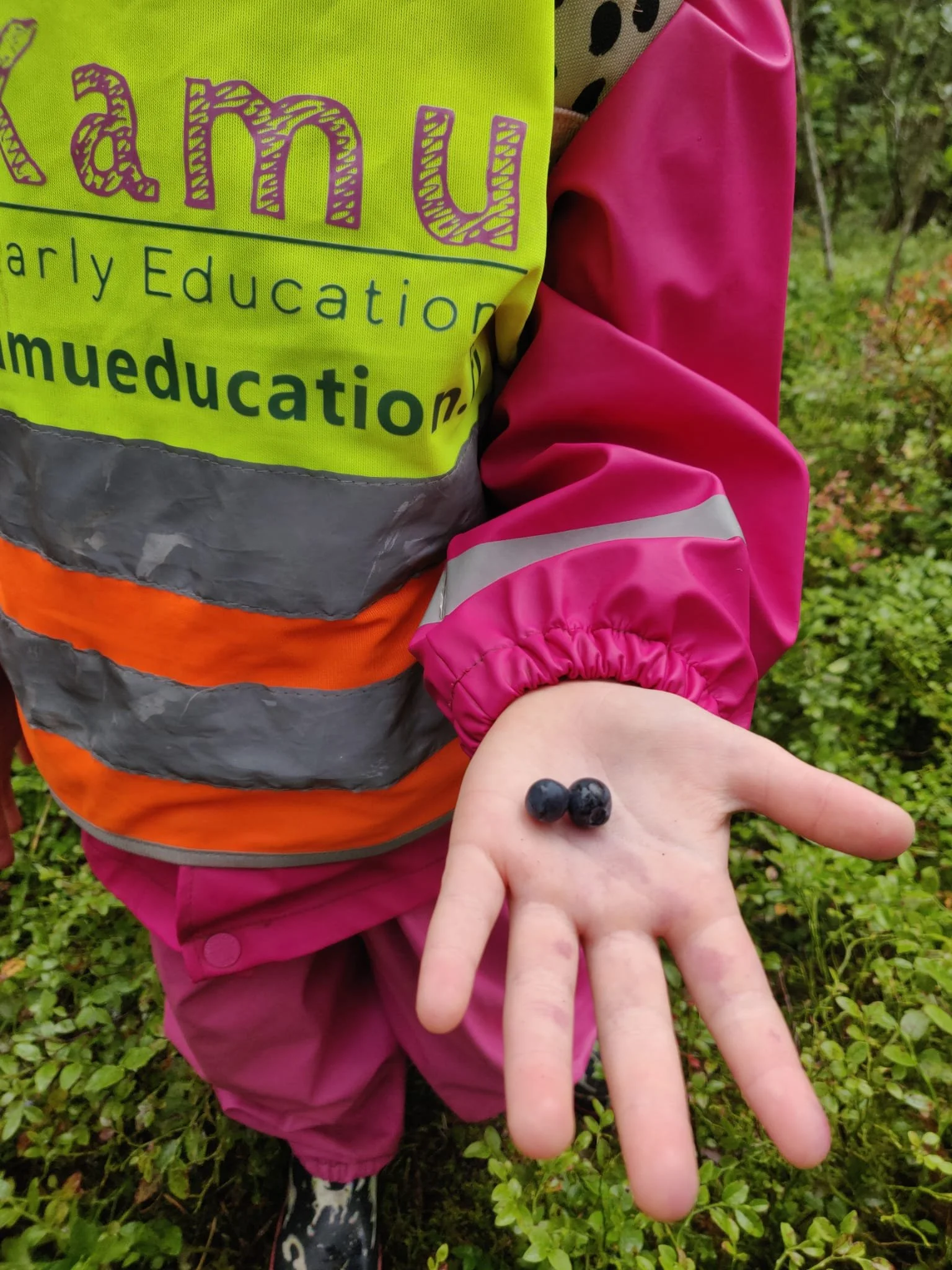
When I gathered my group's favorite excursion experiences for this text, the responses were intriguingly diverse: Puppet theater, sledding hill, the forest of Riistavuori, Opera. For me, amidst the winter chill, the first longer forest excursion in early autumn to pick blueberries in Central Park, and baking muffins together from the collected harvest, particularly evoke pleasant memories. On the other hand, I am already looking forward to enjoying a warm excursion drink under the trees of the snowy forest after a walking excursion...