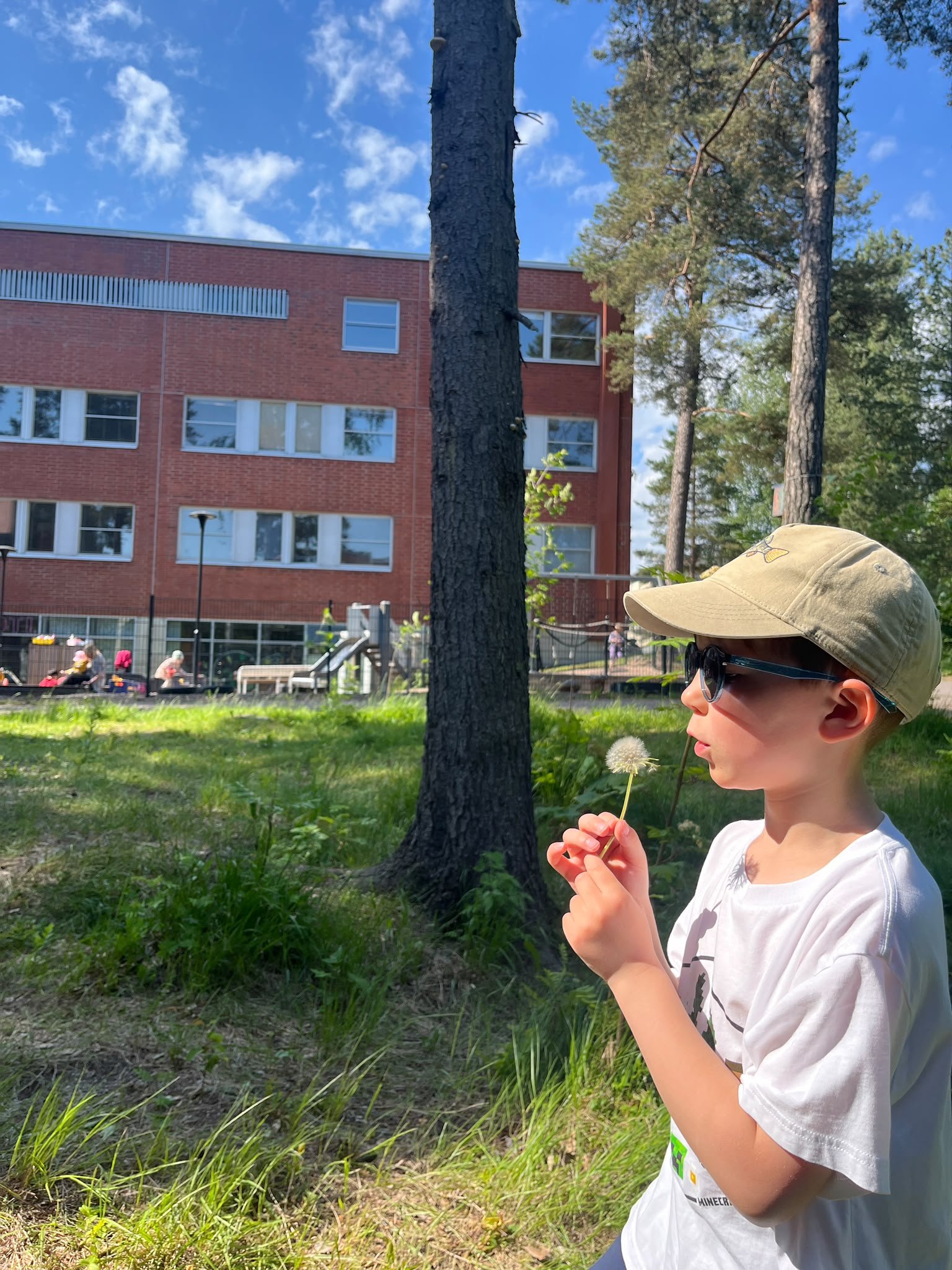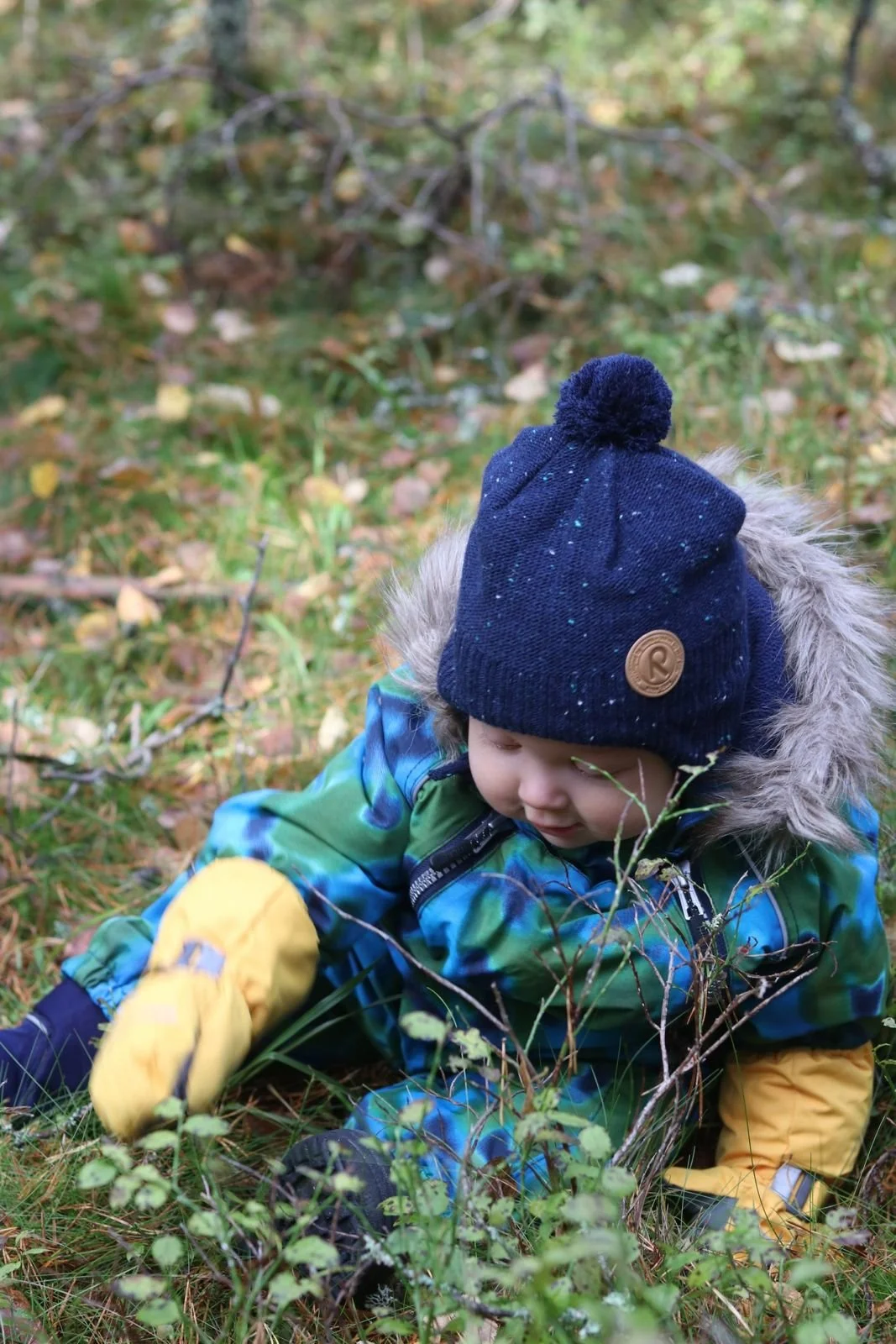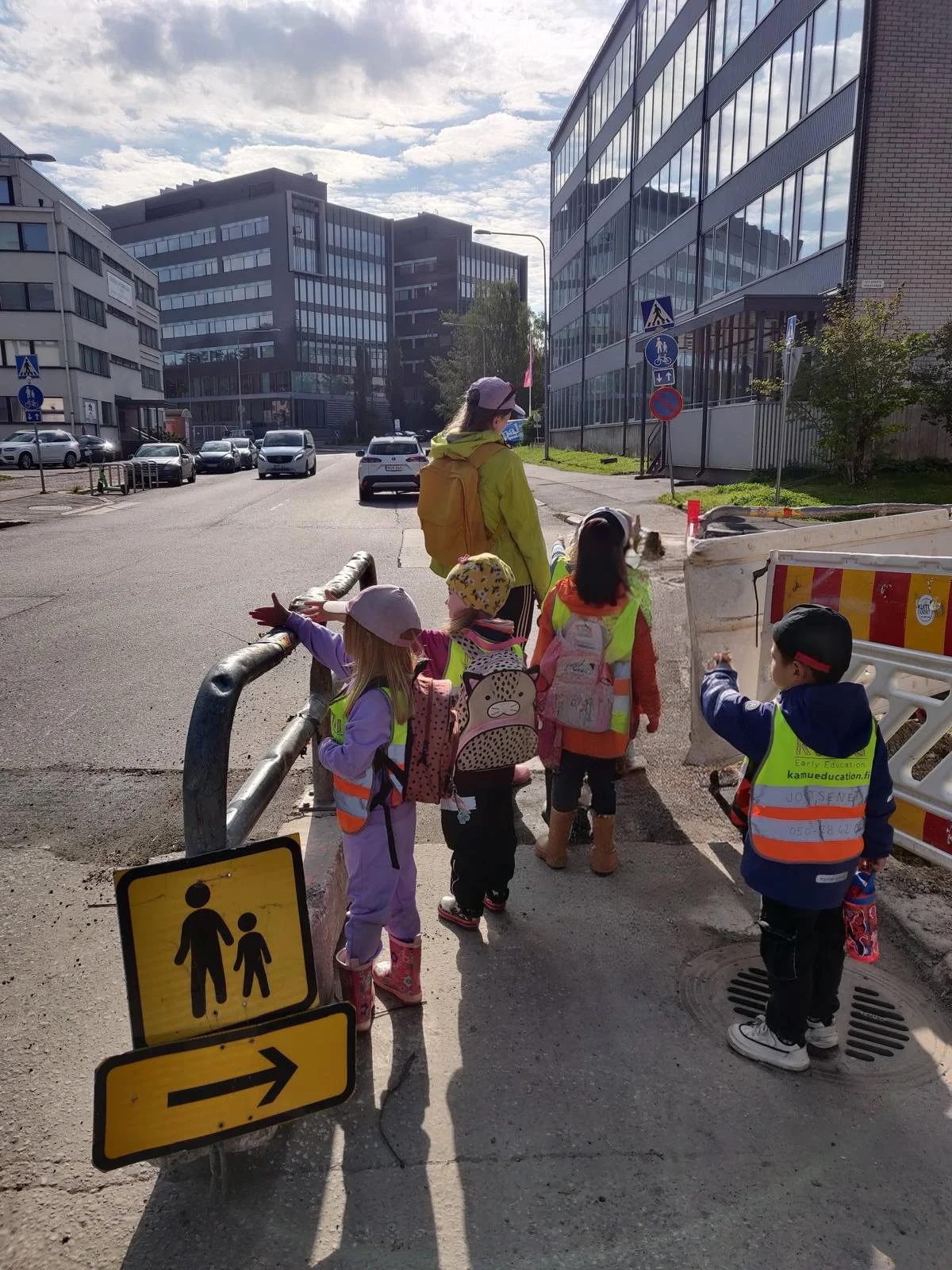
IKamukoti is located in the office building area, yet we managed to make use of small forest areas in the vicinity of the kindergarten. Kamu’s nature-emphasis helps children build a positive connection with nature. It teaches them to care for the environment and supports everyday habits that lead to a sustainable lifestyle.
Nature-emphasis is a part of everything we do with the children. Our daily routine and organized activities follow five core practices:
We guide daily outdoor activities in most weather conditions in our play yard.
We organize weekly field trips in local natural and built environments.
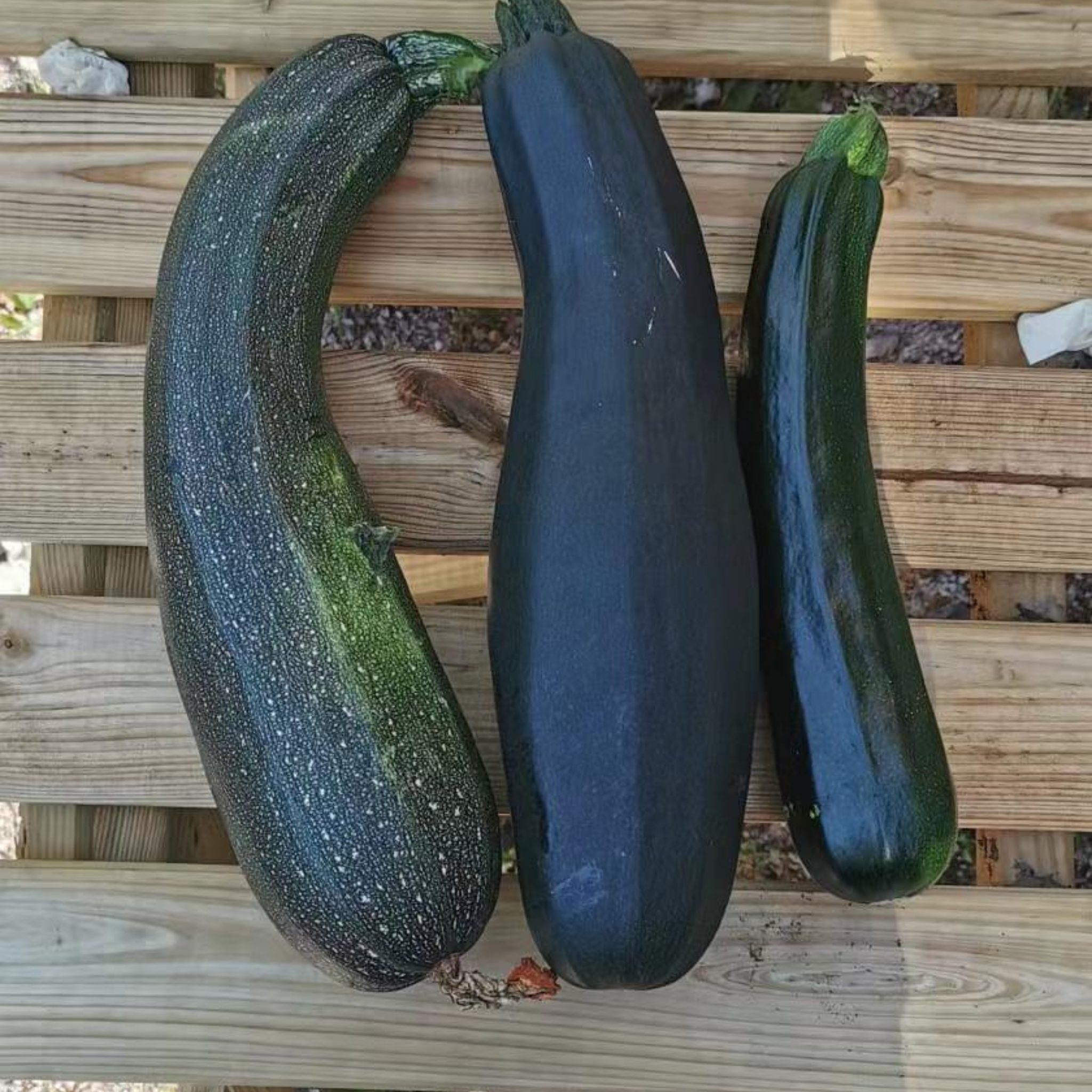
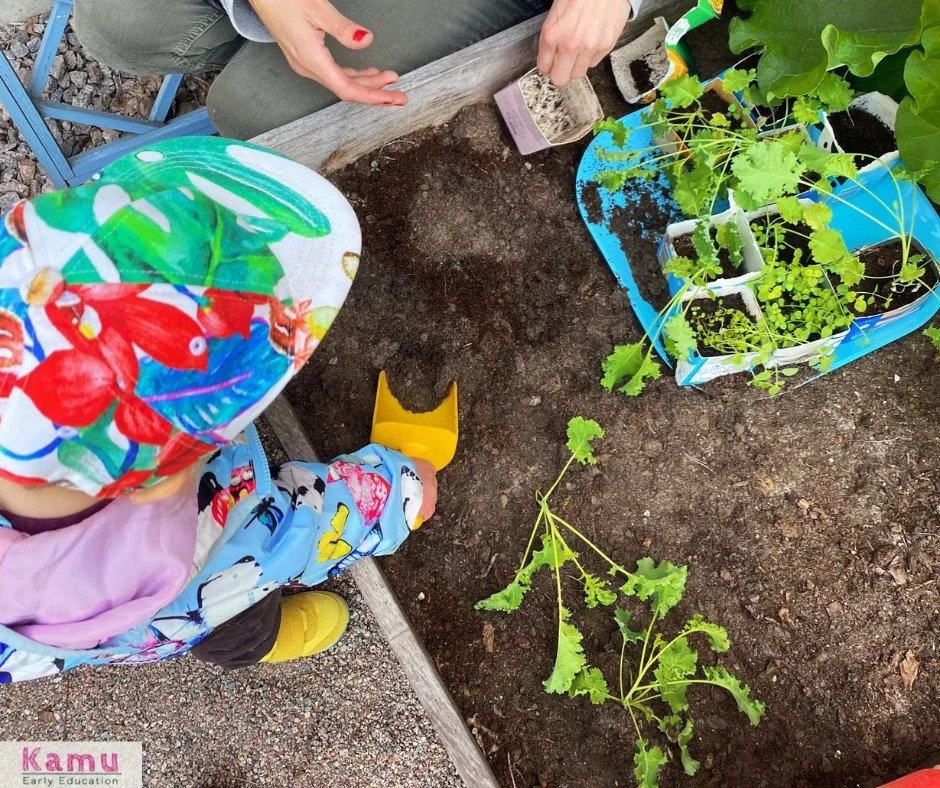
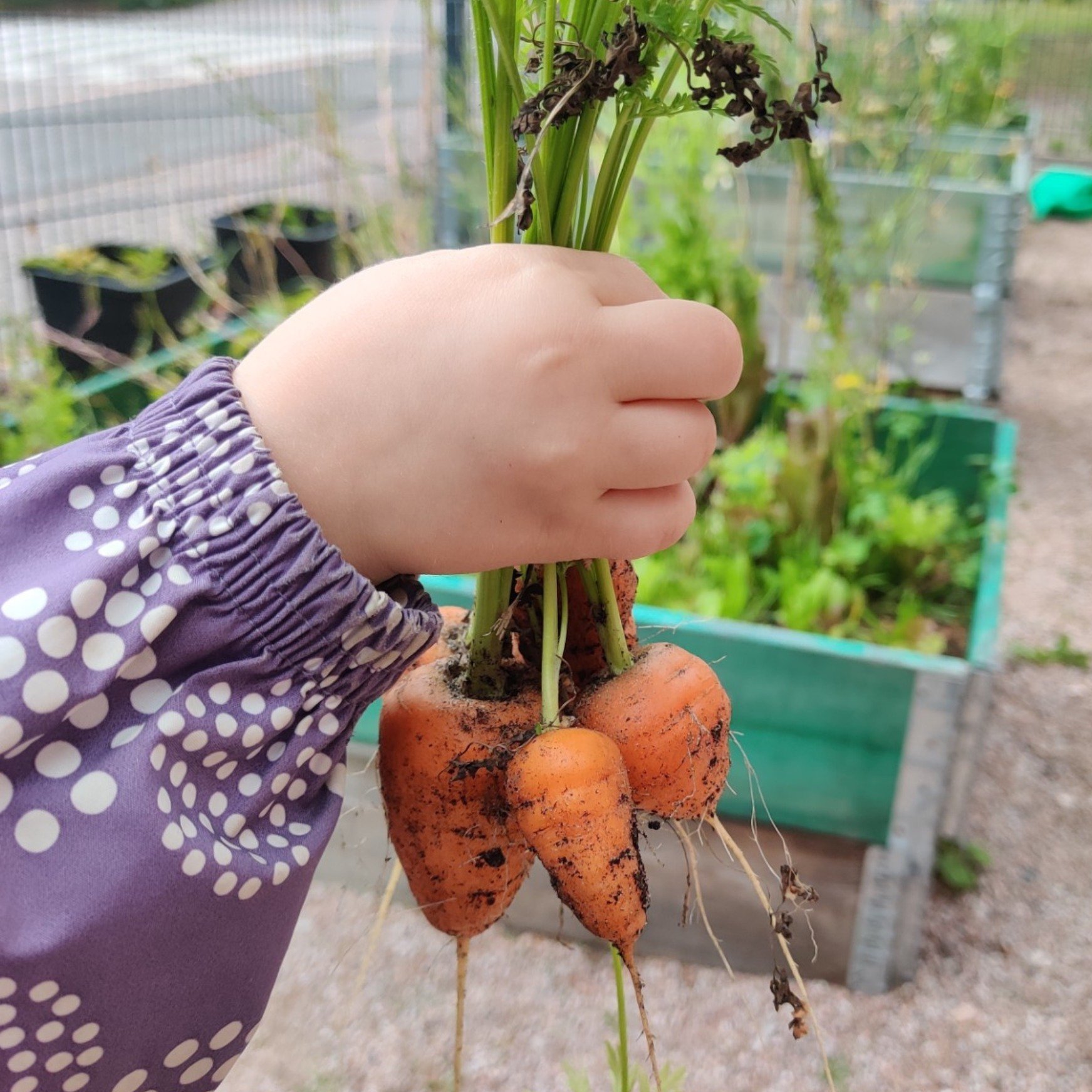
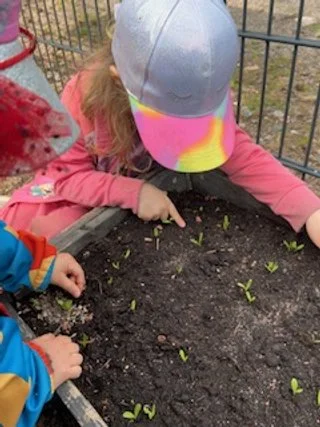
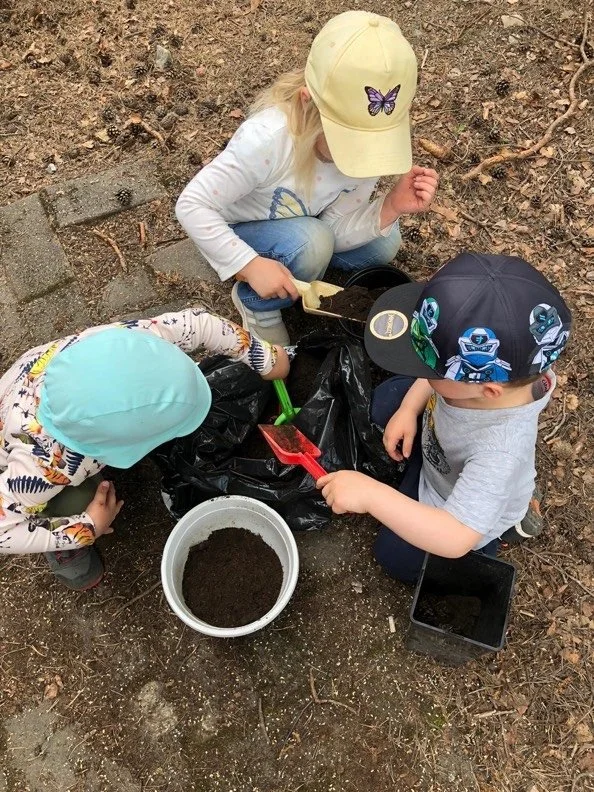
We work together to take care of our garden throughout the year.
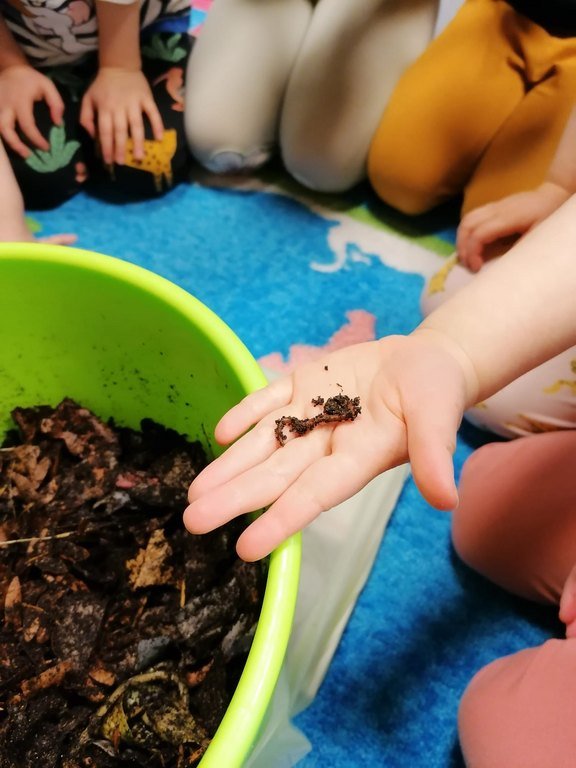
We recycle and use the recycled materials in our activities.
We practice everyday skills for living in a sustainable way.
Our emphasis is on nature experiences with all the senses and hands-on experiment. Children are instructed to respect nature, its plants and animals. All the practices are daily life-based and match the children’s age and understanding, so the practices are meaningful for them.
OUR DIY GARDEN
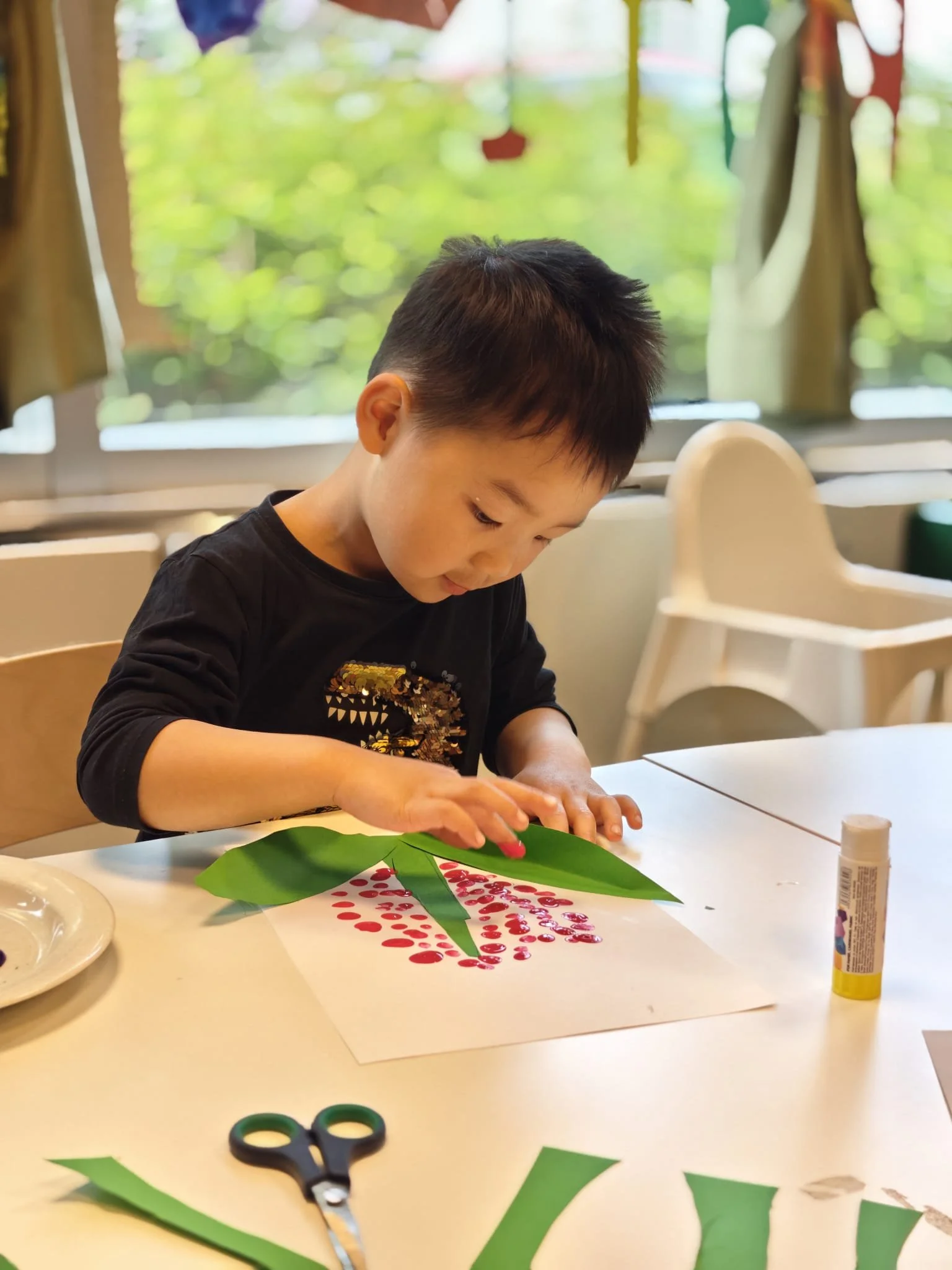
Together with nature education experts from NEEIF and families, we started from scratch: We planned the garden layout, put together the planting boxes, planted the seedlings and made a compost. Now gardening has become a part of group routine. The shared urban cultivation experience allows children and adults work and learn together.
The text explains why daycare field trips are more meaningful than we might think and how regular outings into the local natural environment help build an equitable relationship with nature.
Thoughts on the importance of humor and laughter in early childhood education. In early childhood education, humor is not just a “nice extra” — it is one of the most important pedagogical tools.
This blog post opens doors to the possibilities of outdoor learning and the local community in enriching children's learning and growth. The planning tips will also be beneficial for parents caring for their children at home.
Discover how Kamukoti includes English learning as part of full-day pedagogy.
Thoughts on full-day pedagogy — how it can be implemented and why it should be practiced in early childhood education.
Autumn is still the perfect time to head outside with your little one! This post shares two fun, easy games you can play together in the forest or park, while helping your child explore, learn, and enjoy the magic of the season.
Back in June, we shared a blog post about starting a garden experiment. We placed three gardening boxes in our front yard and planted flower seeds together with the children. Now that we’ve returned from summer holiday, it was exciting to see how they’ve been doing!
Returning to daycare after a holiday can stir many emotions in a child. Here’s how we at Kamu prepare for the new activity season and aim to make the return to everyday life easier.
Kindergarten is a lively place filled with movement, activities, laughter and a few tears from time to time. Everything seems to just flow naturally and smoothly. But underneath there has been a group of staff members working in coordination and making hundreds of small decisions every day to support children’s learning, development and growth. You might not notice this, but it’s happening every minute when children are around.
What happens when children are given complete control over their own garden? Will they nurture it or turn it into a giant sandbox? We’re putting this question to the test with a unique experiment in our kindergarten! Follow along as we explore how gardening can teach children responsibility, creativity, and patience—while having plenty of fun along the way. Read on to see what unfolds!