What Kind of Preschool Year Do You Dream of for Your Child? A Year at Kamukoti Immersed in English, Nature Education, and Strength-Based Pedagogy!
What Kind of Preschool Year Do You Dream of for Your Child?
Preschool education in Finland is a statutory, free-of-charge form of education provided during the year before a child starts school, and attendance is compulsory for parents. In addition, children usually participate in fee-based early childhood education and care before and after the preschool day. In Helsinki, children are assigned a preschool place in a municipal daycare centre based on their home address. However, parents can also choose from the preschool education programmes offered by many private daycare centres. During the 2026–2027 academic year, a private preschool group in Helsinki can operate when there are at least seven children in the group.
English Language Immersion Activates Language Learning
Kamukoti Pitäjänmäki also follows the Helsinki Preschool Education Curriculum, which you can explore through this link: Helsinki Preschool Education Curriculum.
What makes our preschool particularly special is that it is delivered through an English language immersion programme in the bilingual (Finnish-English) and multicultural learning environment of our daycare centre. In practise, English is our language of communication during the four daily preschool hours, from 9 am to 1 pm. Children hear English in the speech of adults and other children, in play songs, rhymes, and everyday phrases associated with familiar routines, such as: "Welcome to Preschool!"
Preschoolers also learn English through a variety of interactive and picture-supported games, stories, and learning activities. We begin with language related to the children themselves, their families, and their friends. English can be learned wonderfully through both indoor and outdoor activities.
In language immersion, it is common for children to initially respond primarily in their own language. Gradually, they become increasingly confident in using English words and expressions. Sometimes, the children themselves are surprised by how much they have already learned! Language immersion also supports the development of children's own language skills.
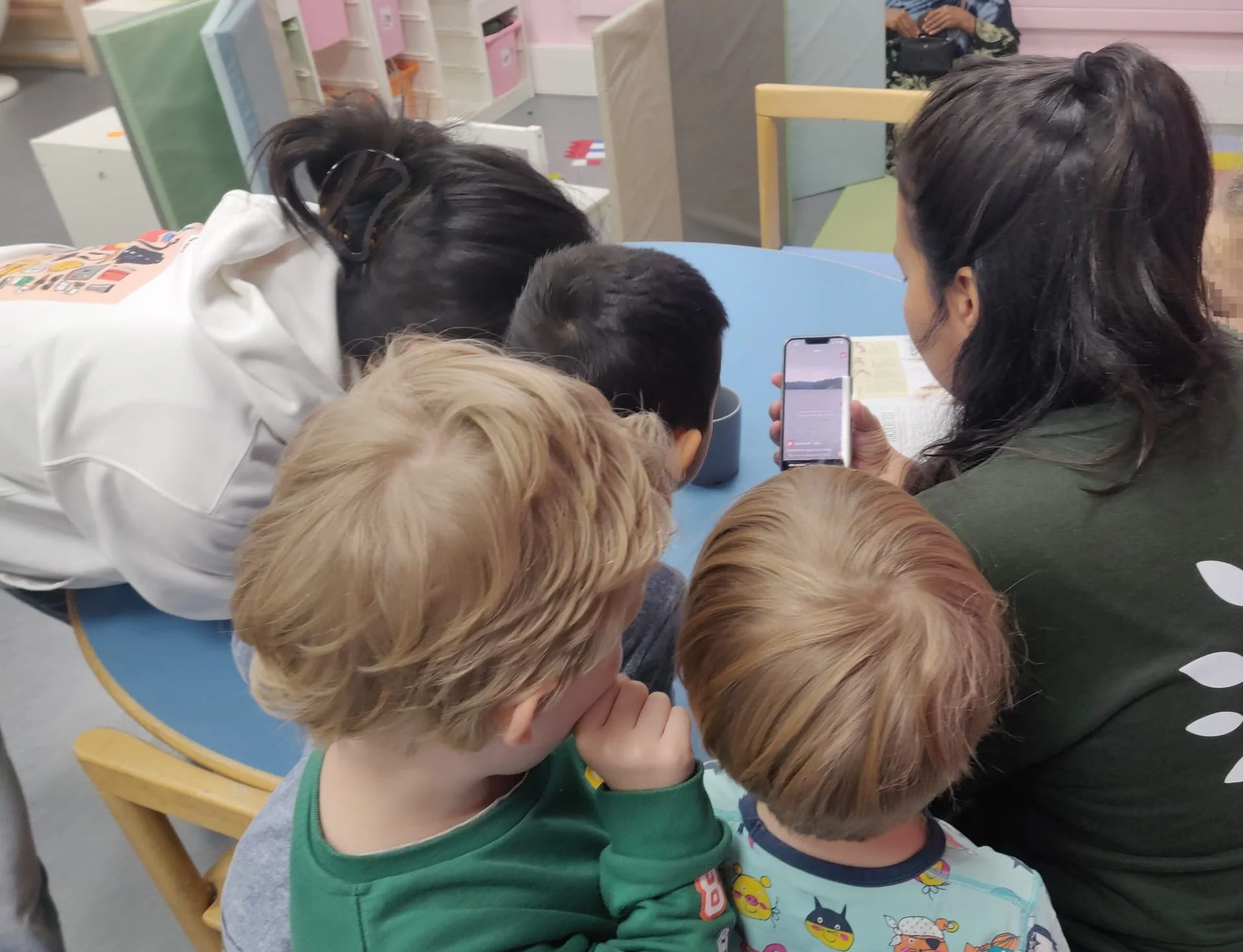
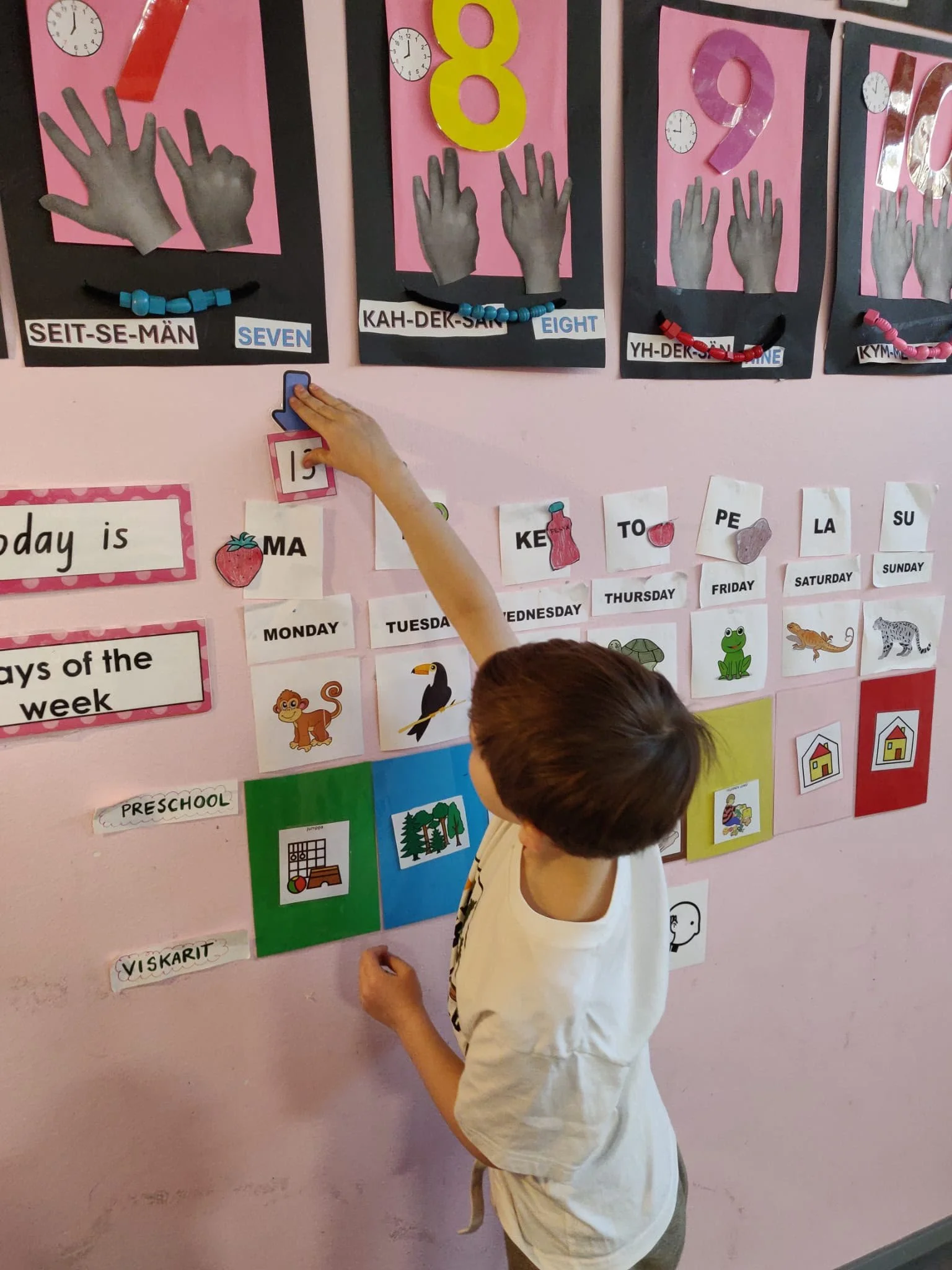
At Kamukoti, we place great importance on language awareness, which means, for example, respecting the multilingualism of every child and adult. It also involves considering how children from different language backgrounds can best participate in our activities. During the preschool year, we learn greetings and explore the numbers 0–10 in all the languages familiar to our preschoolers. In addition, as a characteristic feature of Helsinki, we also introduce the children to small "tastes" of Swedish in our preschool.
For children who began their early childhood education at Kamukoti, preschool through English language immersion is a natural continuation of their learning journey. However, children are very welcome to join us even if English is completely new to them. Six-year-olds are in a sensitive period for language learning, and a supportive environment free from performance pressure encourages them to experiment and try new things. Becoming familiar with a new language also satisfies children's natural curiosity about different languages and cultures.
In any case, foreign language learning begins in the first grade in Helsinki. The English language immersion at Kamukoti Preschool provides children with an active foundation for this, whether their first foreign language at their local school is English, German, Chinese, or another language.
Play Is the Most Important Method of Learning in Preschool
The goal of preschool education is to lay the foundation for lifelong learning. At Kamukoti, we also want to emphasise the importance of the preschool year in a child's life right now!
Play is the most important method of learning in preschool, and children's interests are an essential part of the preschool year's content. Kamukoti's clear weekly schedule provides a framework for learning, but in our small daycare centre, it is easy to incorporate the children's interests, observations, and questions into the planning and implementation of activities.
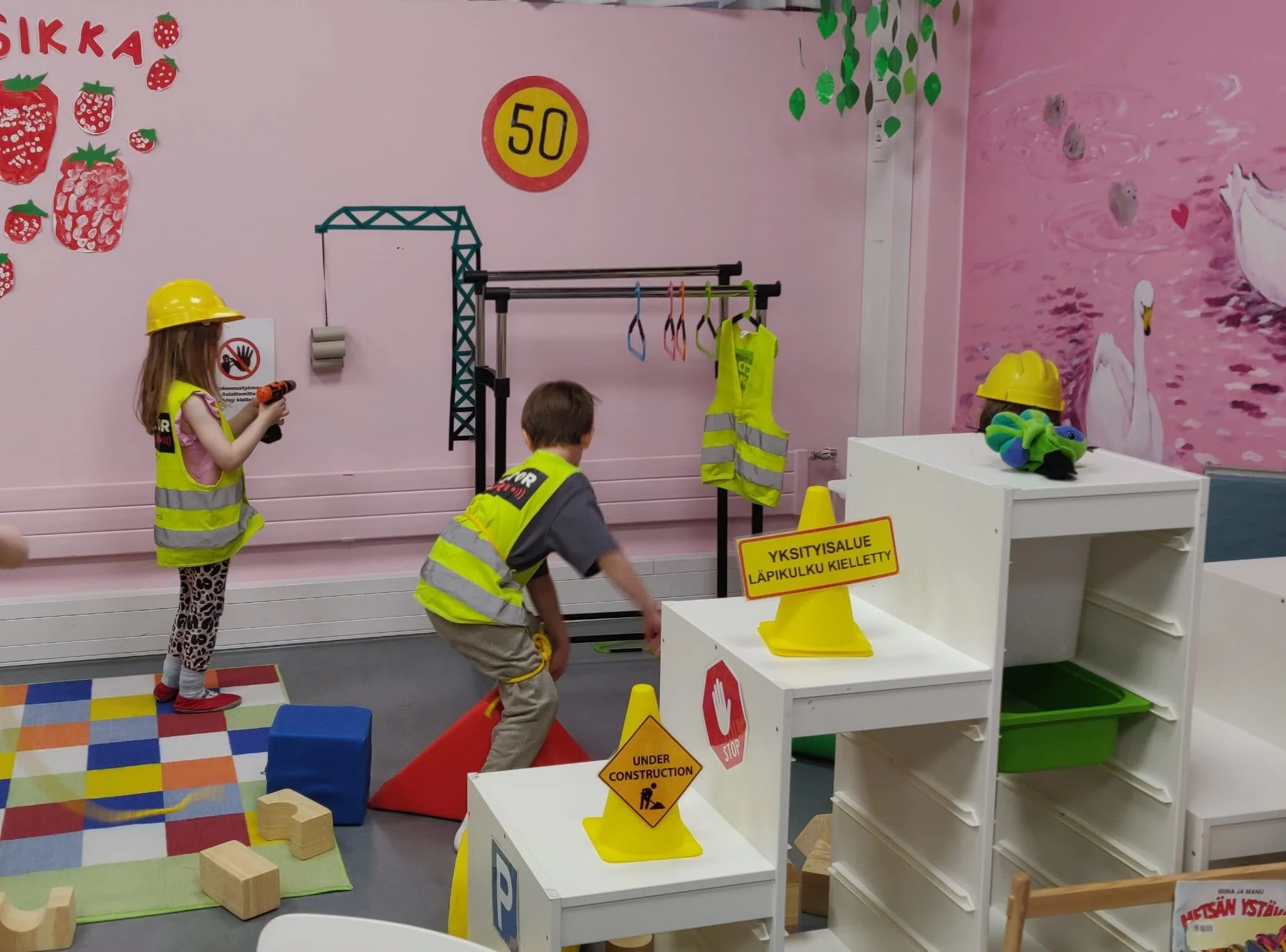
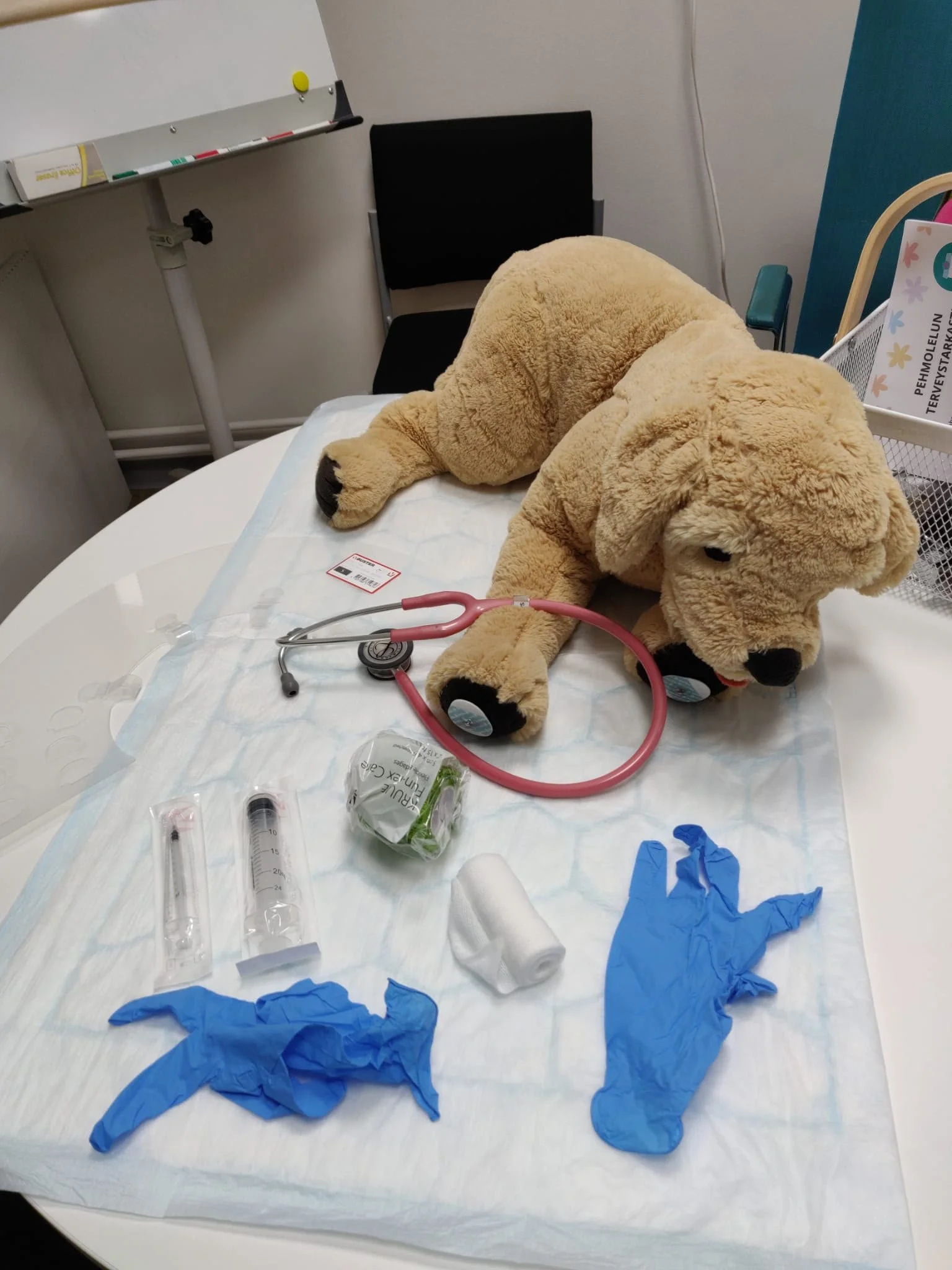
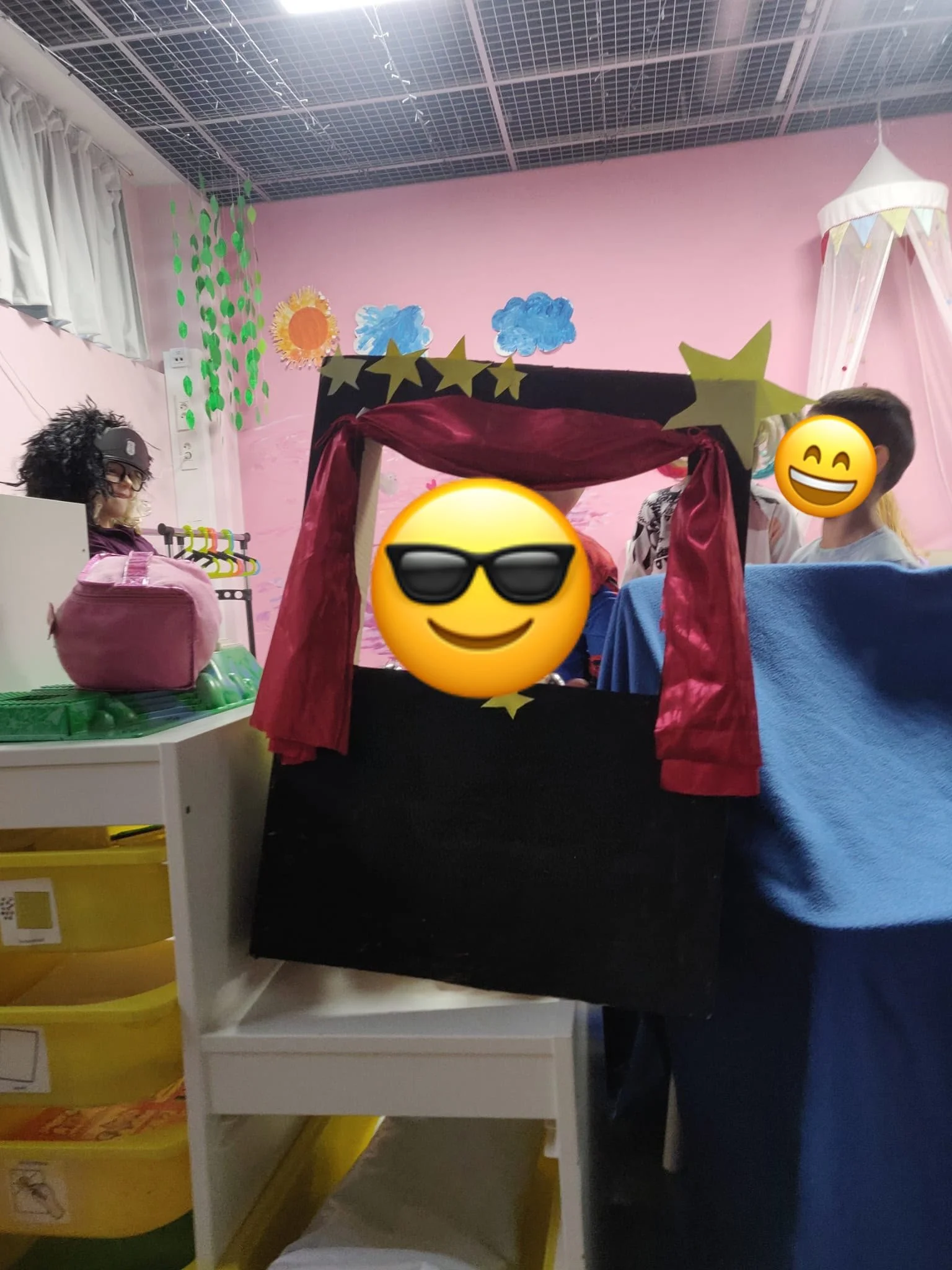
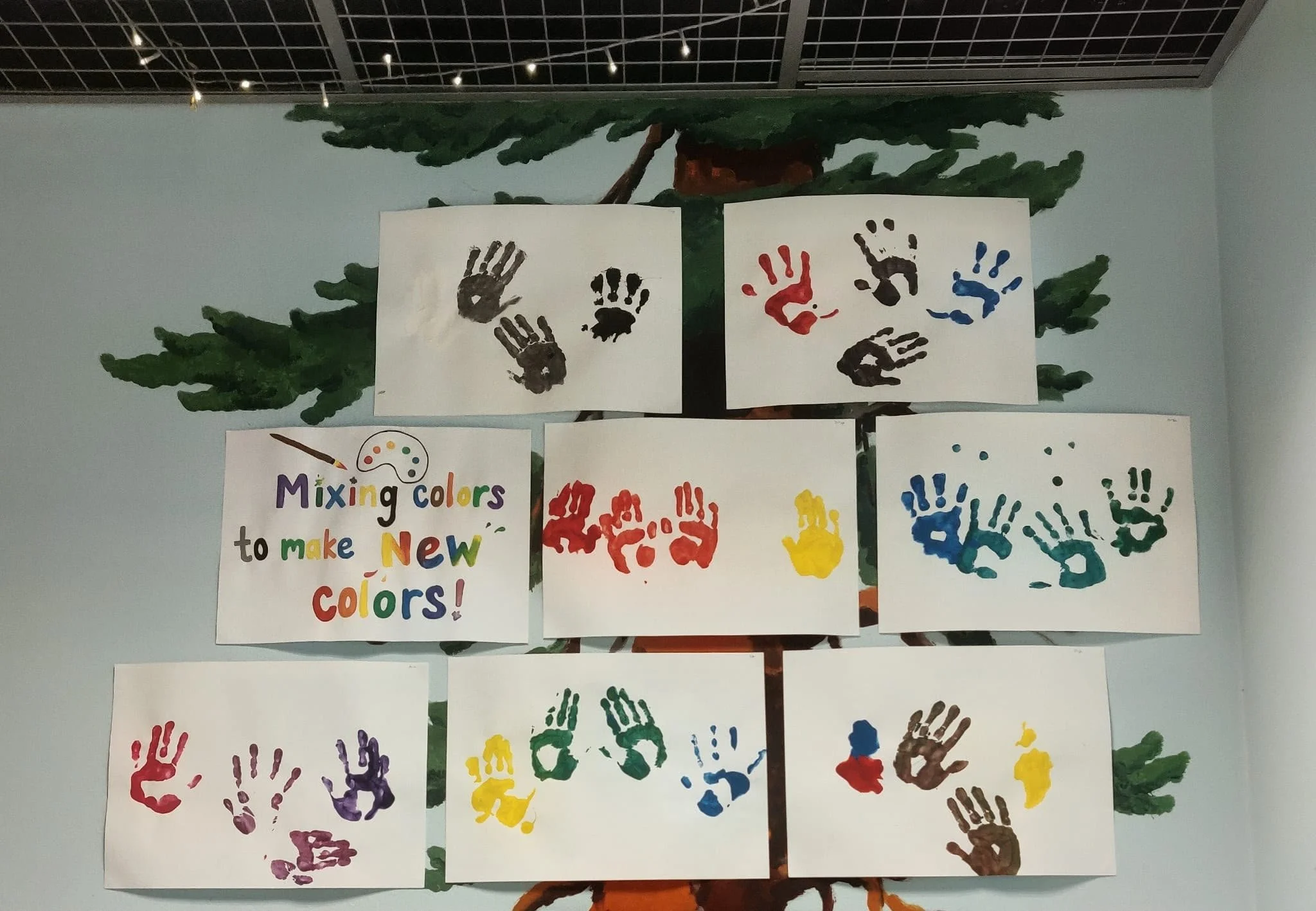
In the past, we have explored topics such as rainbows, the work of a veterinarian, and theatre through phenomenon-based learning.
As the oldest children in the daycare centre, preschoolers at Kamukoti get to enjoy a truly special year of play. Their knowledge and skills, together with the adults' supportive attitude towards play, make a wide variety of memorable learning experiences possible.
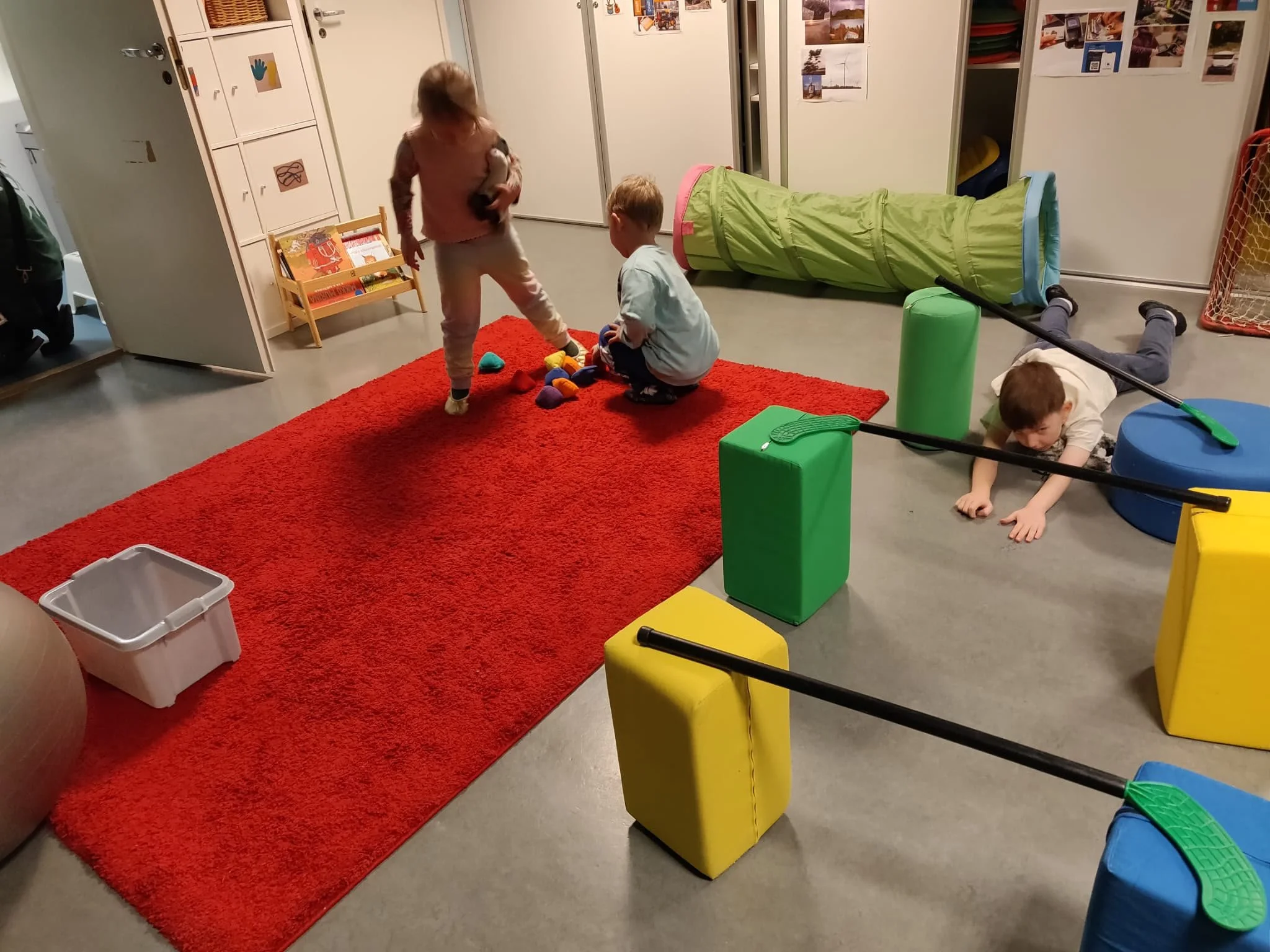
We make versatile use of our daycare centre's facilities for play, including the gym, playground, garden, and nearby forest. At the same time, we strengthen a positive foundation for an active and physically healthy lifestyle.
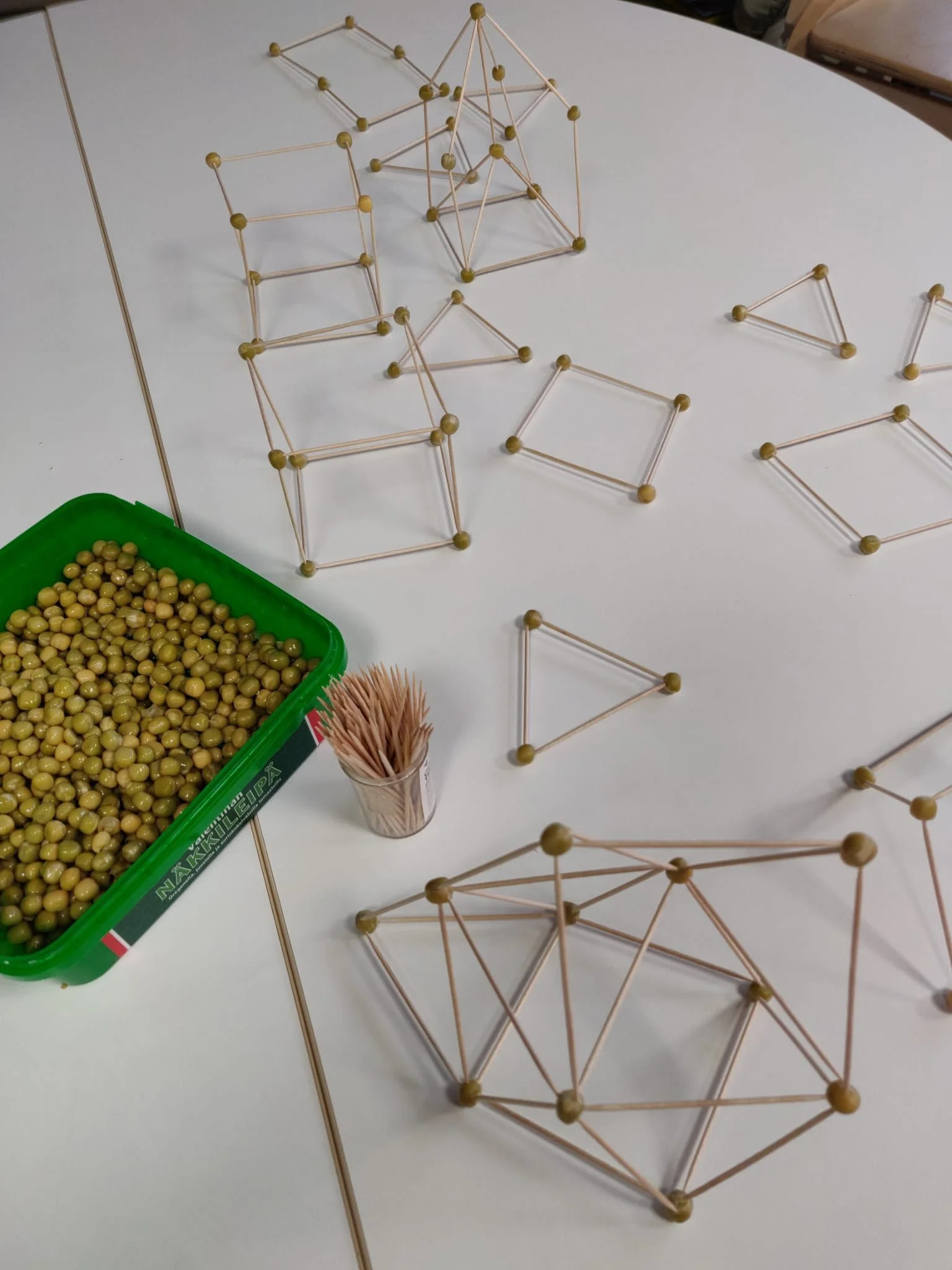
Through pedagogical play, children can practice many different skills: basic language, mathematical, and physical skills; music and art; working in a group; concentration; and, above all, the incredibly important emotional and social skills needed to build friendships.
When preschool education is sufficiently hands-on and engaging, children are usually also eager to practice pencil-and-paper activities in their own special preschool workbook.
Nature and Environmental Education Enriching Preschool Activities
At Kamukoti, our nature-focused approach to preschool education includes at least one weekly excursion to our nearby forest, as well as to other forest and nature destinations in the surrounding area.
Nature education often involves enriching imaginative play without ready-made materials and learning, for example, to develop a caring, considerate, and active attitude towards our immediate environment. Our preschoolers always leave the environment a little less littered than they found it!
In our own garden, children learn about natural and sustainable gardening practices during their preschool year, including how to care for a compost. We collect and preserve the produce we grow ourselves and prepare delicious treats together.
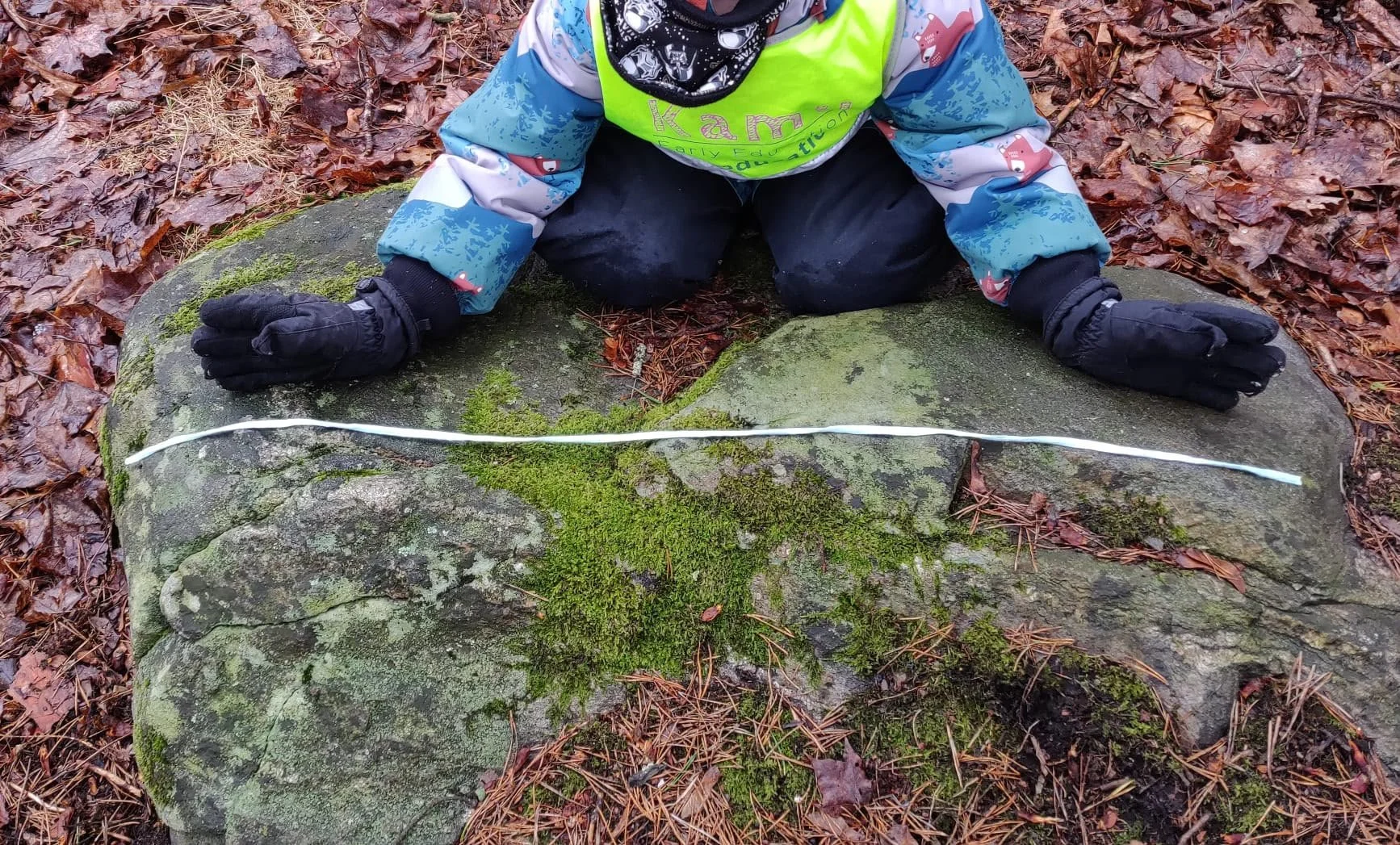
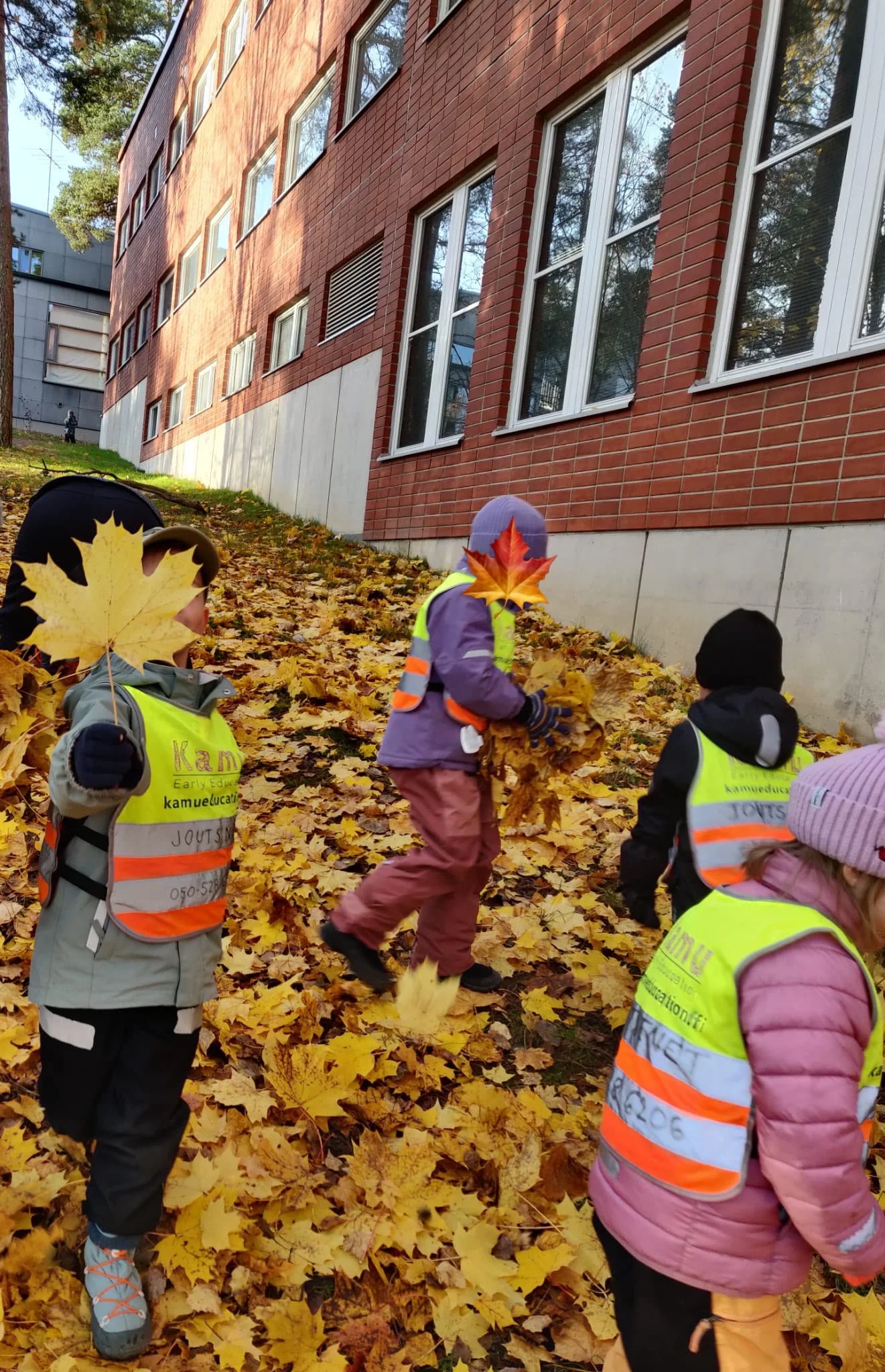
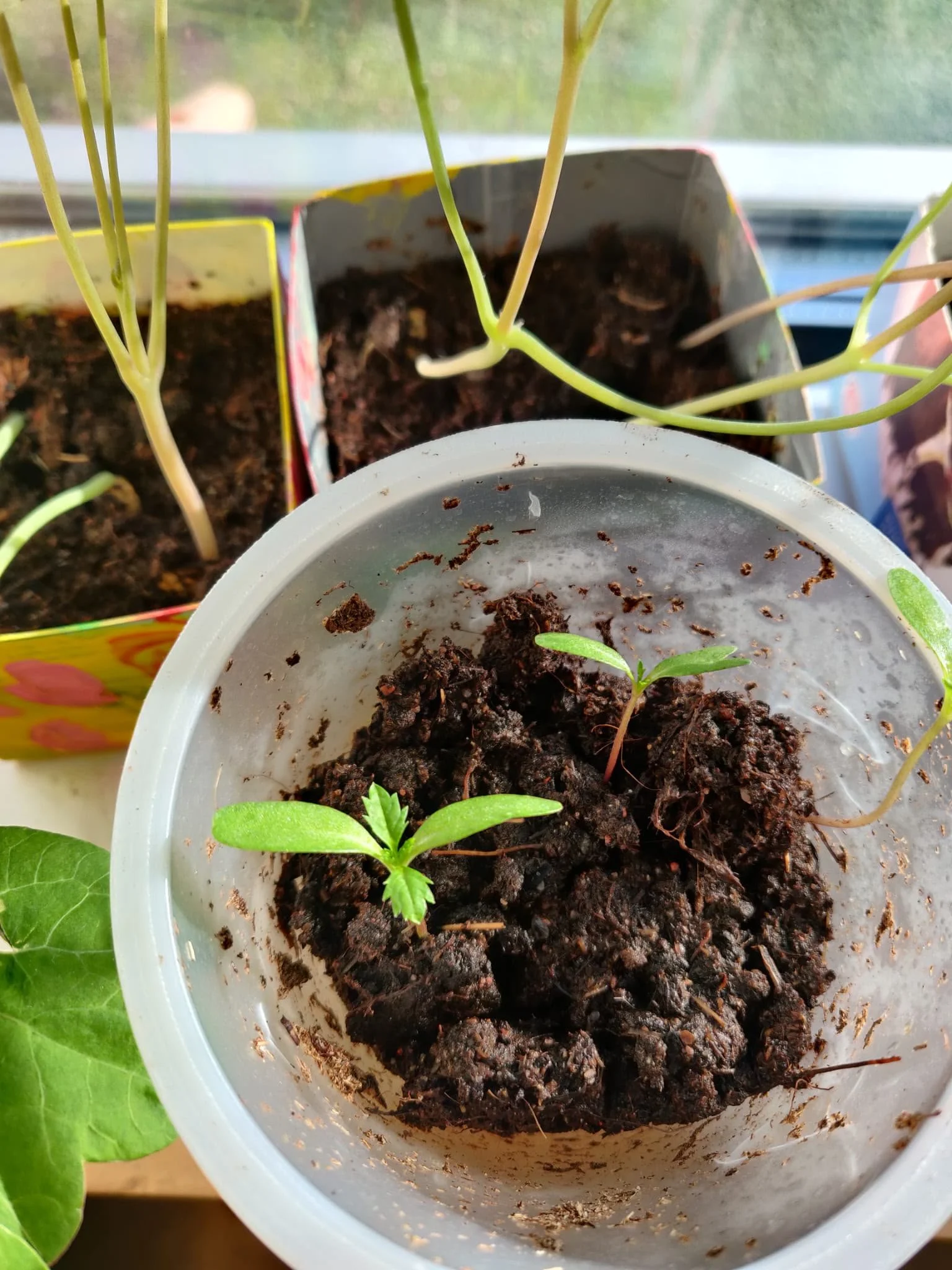
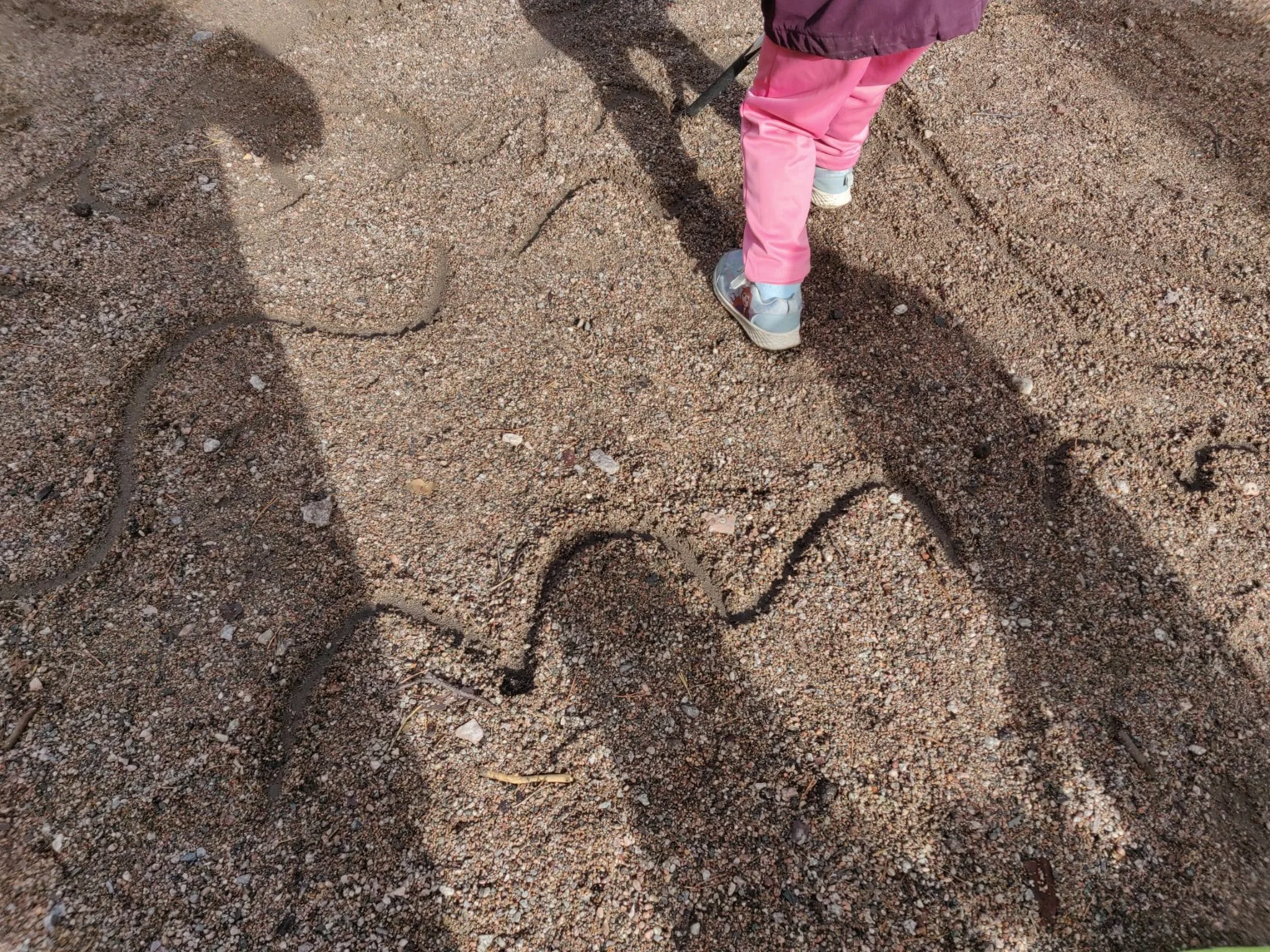
Our nature-focused approach also means regularly carrying out activities such as art, physical exercise, and exploratory learning outdoors throughout the different seasons, whatever the weather.
In addition, we use the entire city as a learning environment. Once a month, we venture further afield to explore different natural and cultural destinations in Helsinki. We also collaborate with local nursing homes, other communities, and businesses.
These excursions strengthen a positive sense of community within the preschool group, enrich the exploration of different areas of learning, and form an important part of our traffic safety education.
Supporting Learning for the Benefit of Every Child
Support in preschool education can be provided at the group level or individually to a child.
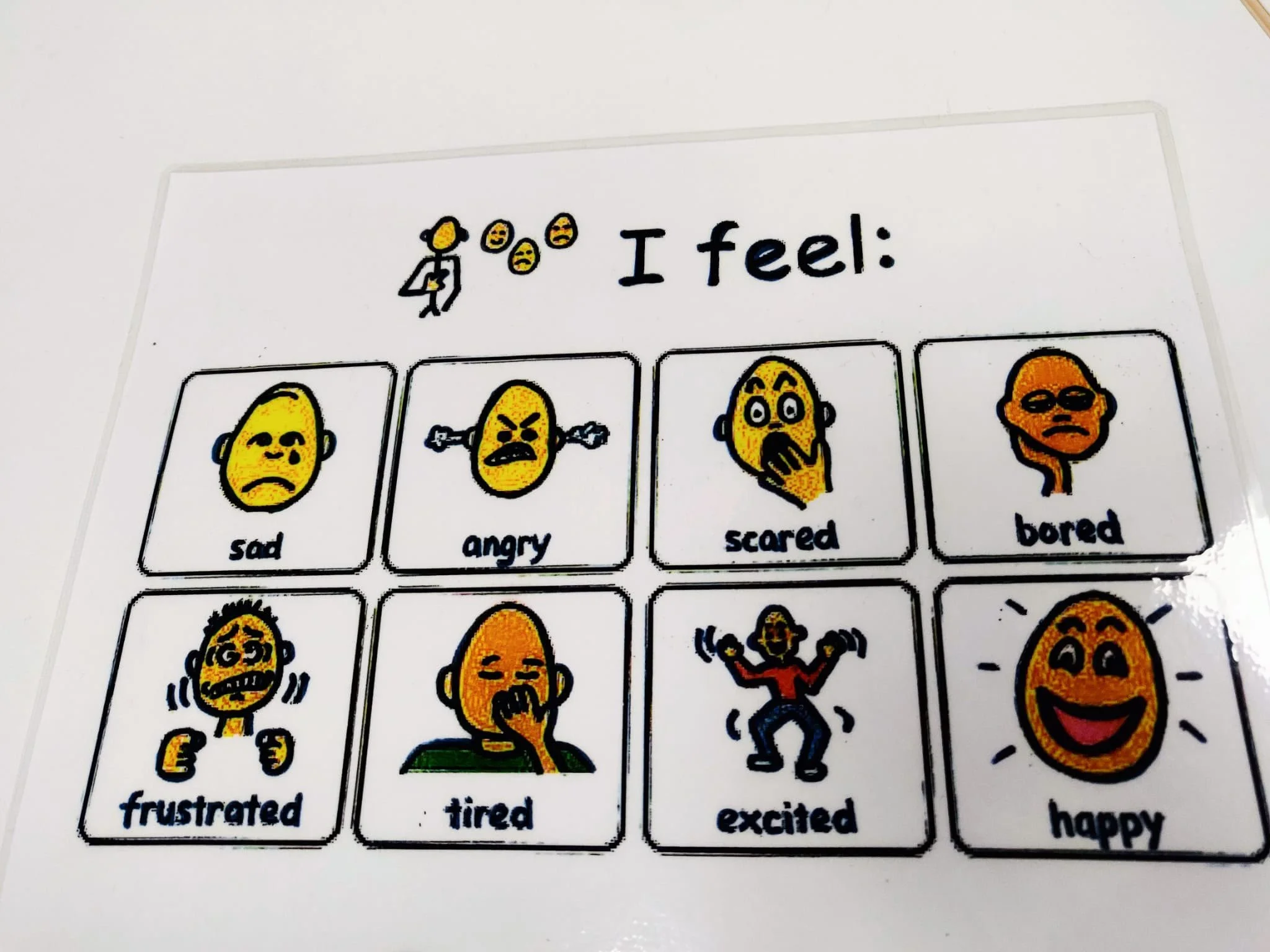
At Kamukoti, familiar forms of group-level support include differentiating tasks and using various concentration aids and visual supports. All children at Kamukoti benefit from the support of a smaller teaching group. At the same time, flexible collaboration with the five-year-old children's group provides opportunities to practise working in a larger group as well.
A child's preschool day is a whole, usually consisting of supplementary early childhood education and care before and after preschool hours.
For a six-year-old, important learning takes place in everyday transitions, for example, as well as when learning to take care of their own belongings and personal hygiene.
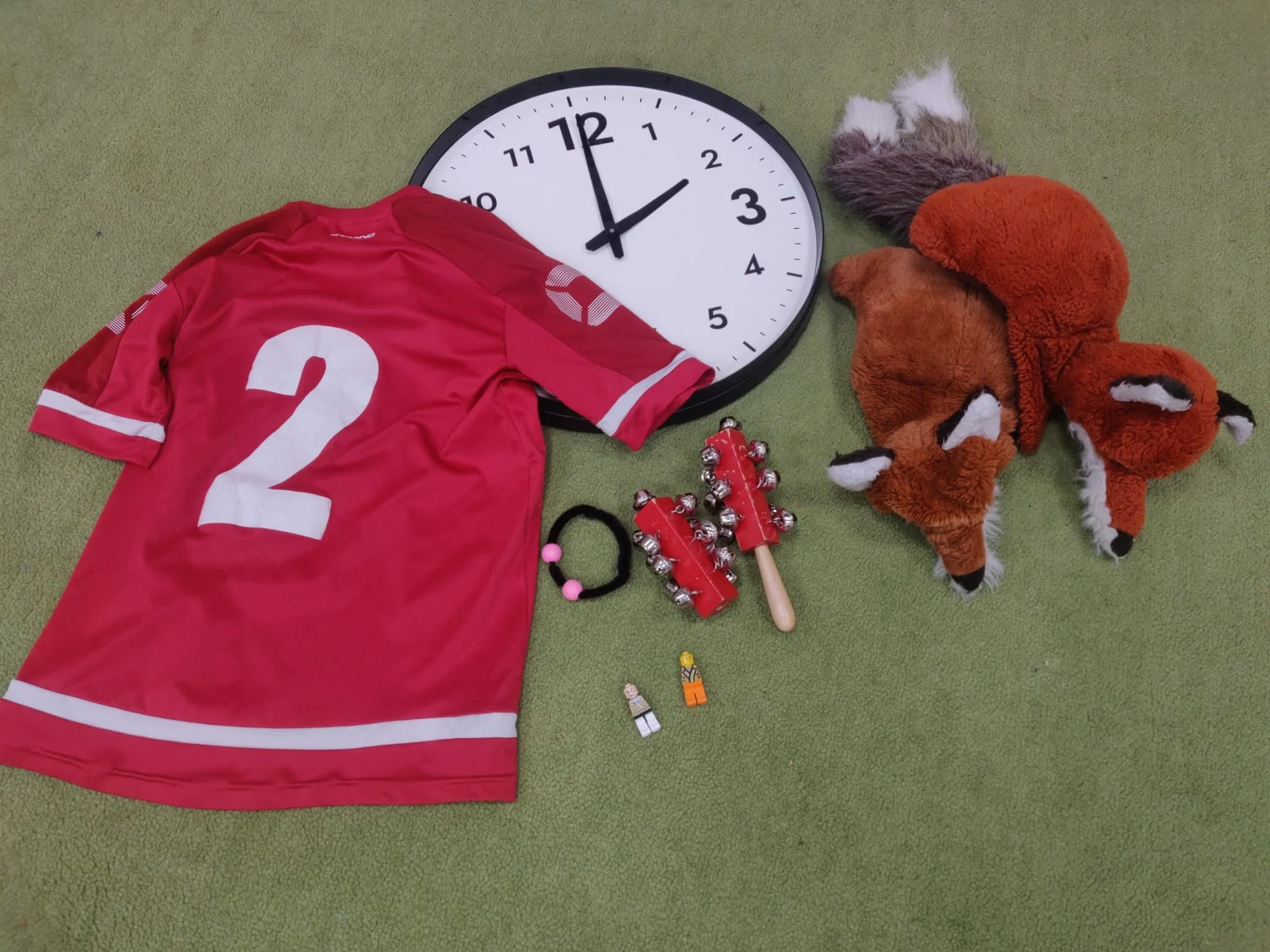
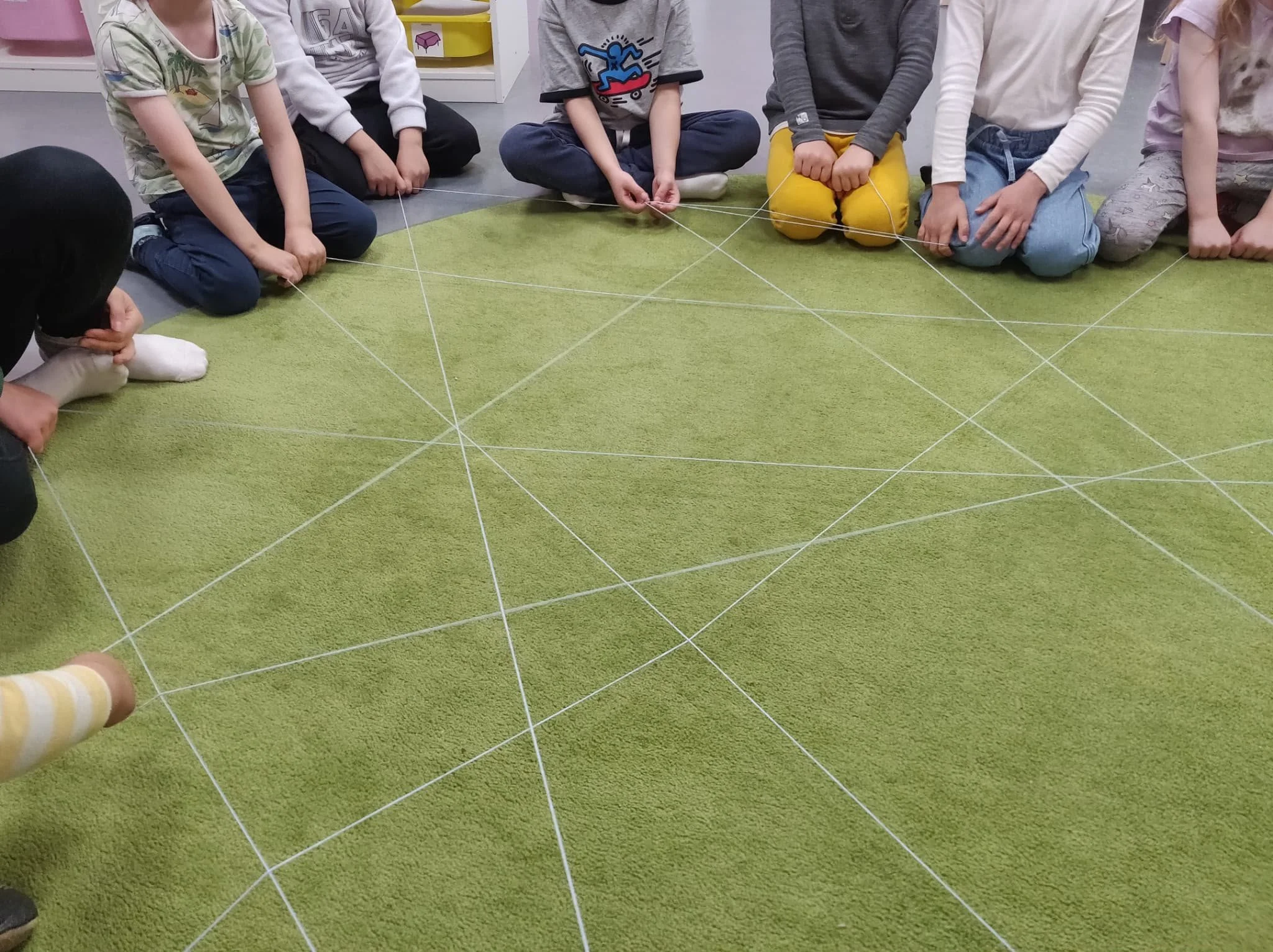
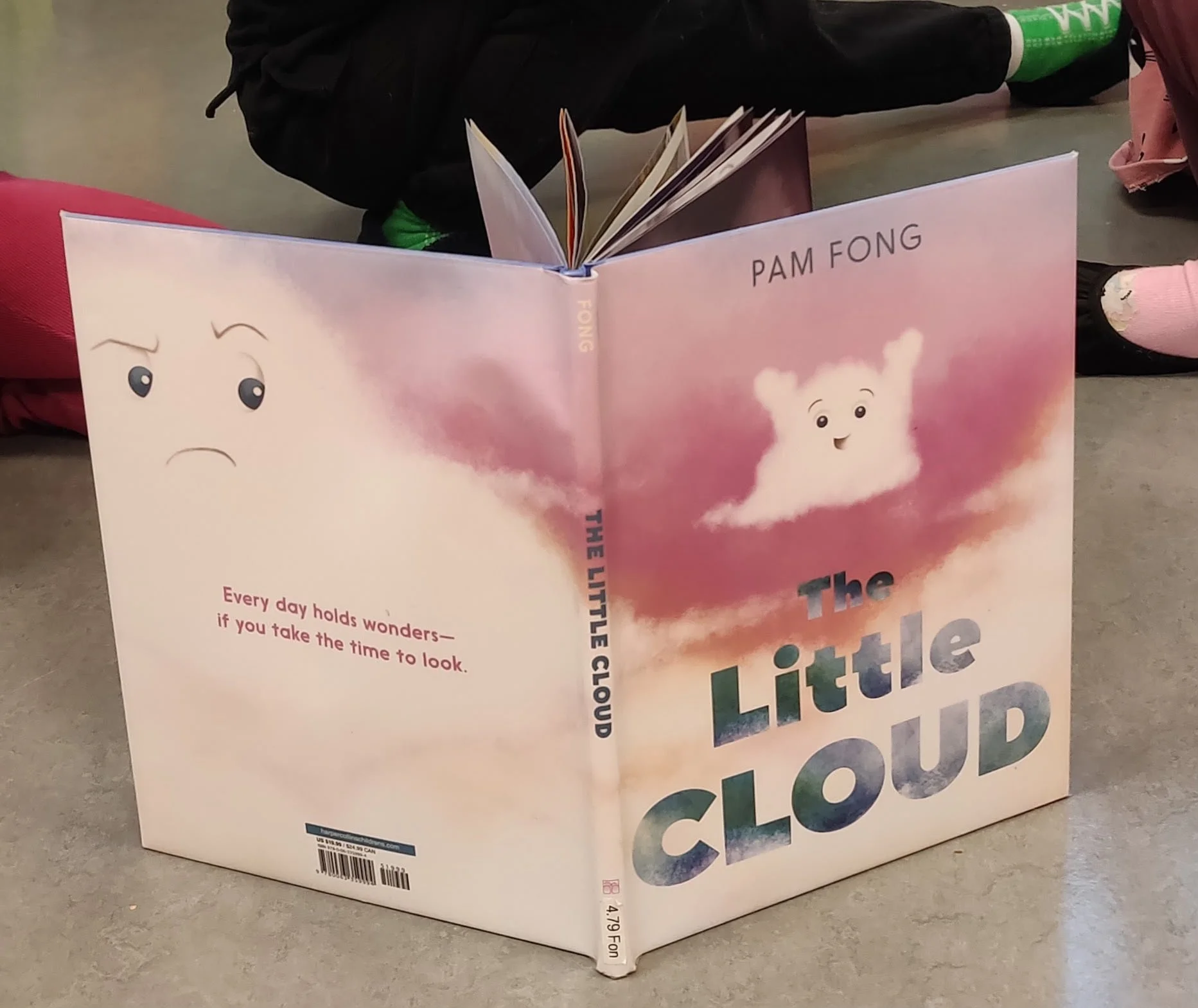
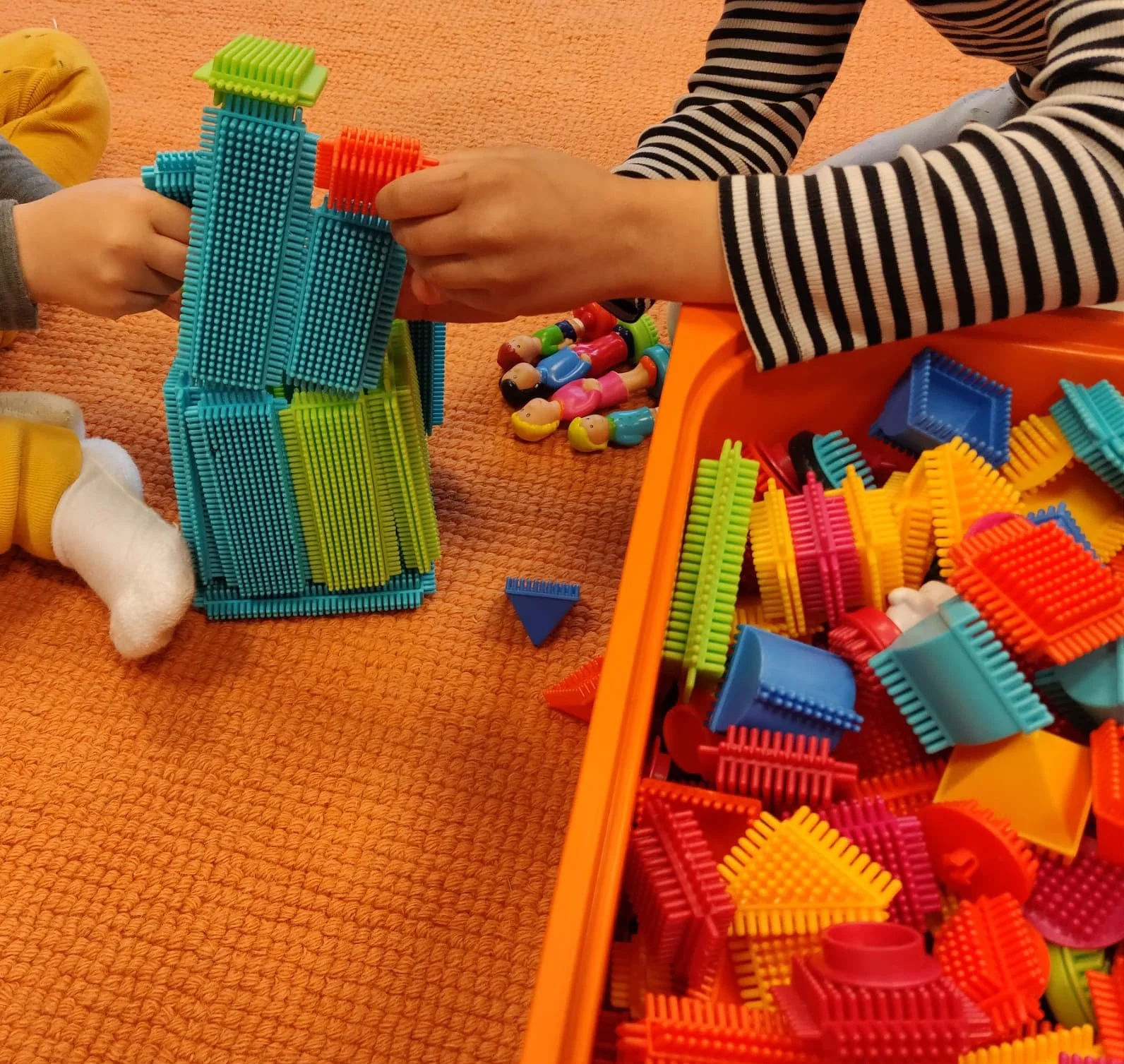
We also regularly collaborate with primary education through various events and visits. Preschoolers get to visit the school they will attend, gradually becoming familiar with its practices and culture throughout the preschool year. This makes starting school more enjoyable and less daunting.
At Kamukoti, we believe that collaboration with families is essential in supporting children's learning and development.
When necessary, we also consult the regional special education teacher for early childhood education and care. In addition, parents have the opportunity to access the services of a preschool social worker and psychologist.
When needed, we engage in multidisciplinary collaboration to ensure the best possible preschool year for each child and to plan their future educational pathway.
Strength-Based Pedagogy Gives Wings to Learning
An important characteristic of Kamukoti's preschool education is strength-based pedagogy, which is based on recognising, putting into words, and strengthening the positive qualities of every child.
In our everyday activities, we strive to support the development of children's positive self-esteem and foster a strong sense of community. Our goal is to provide every child with a safe and enjoyable preschool year.
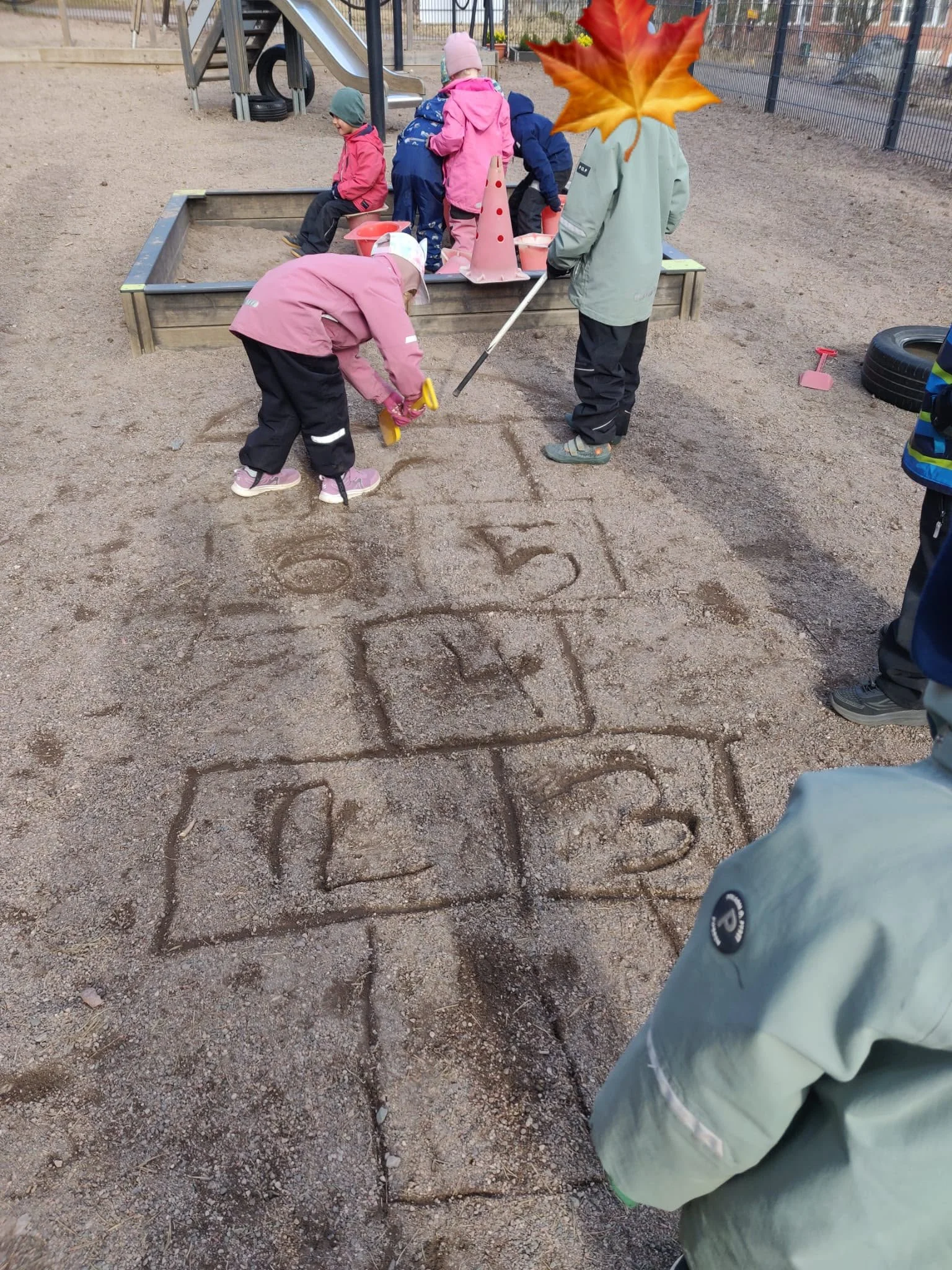
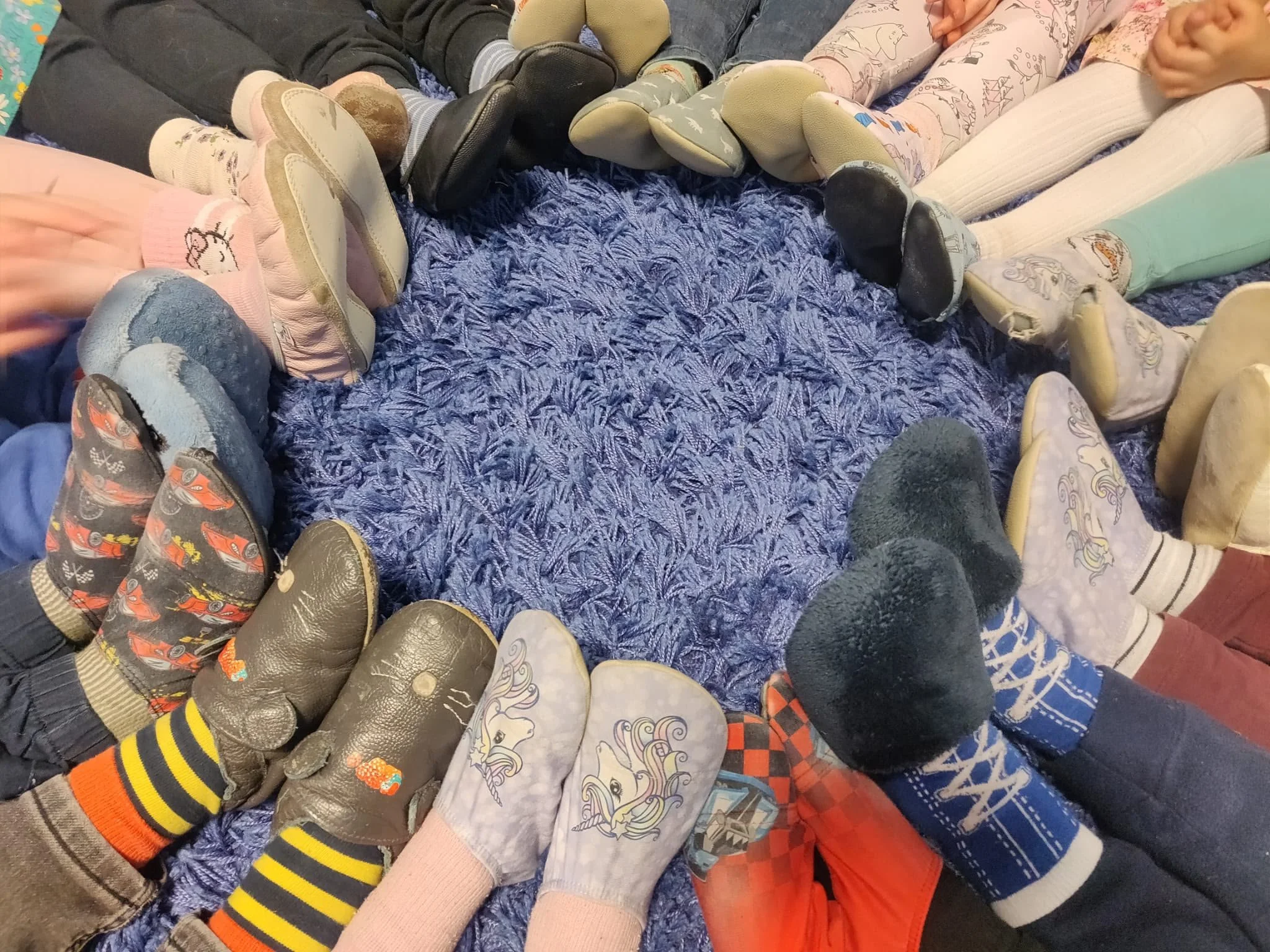
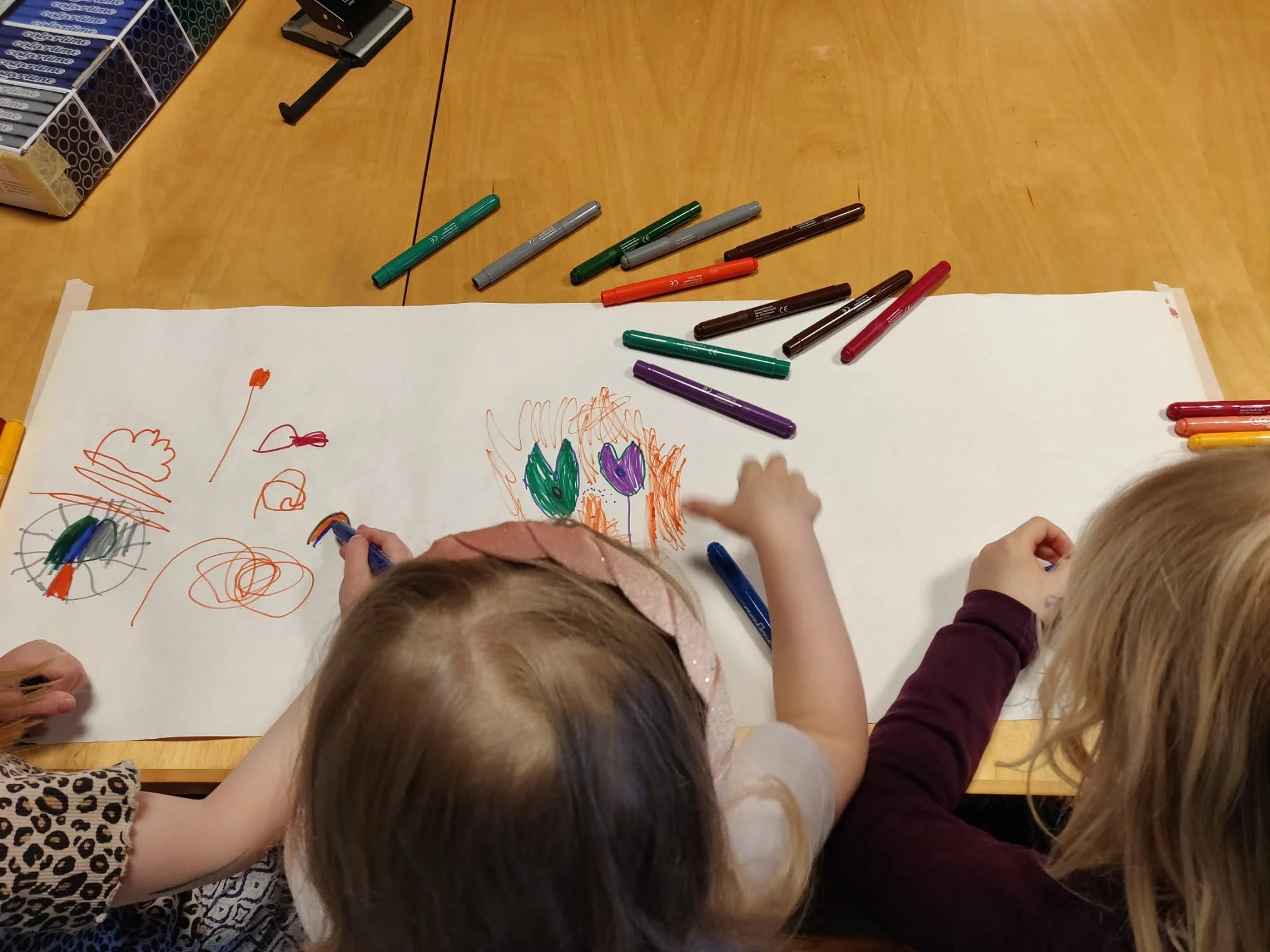
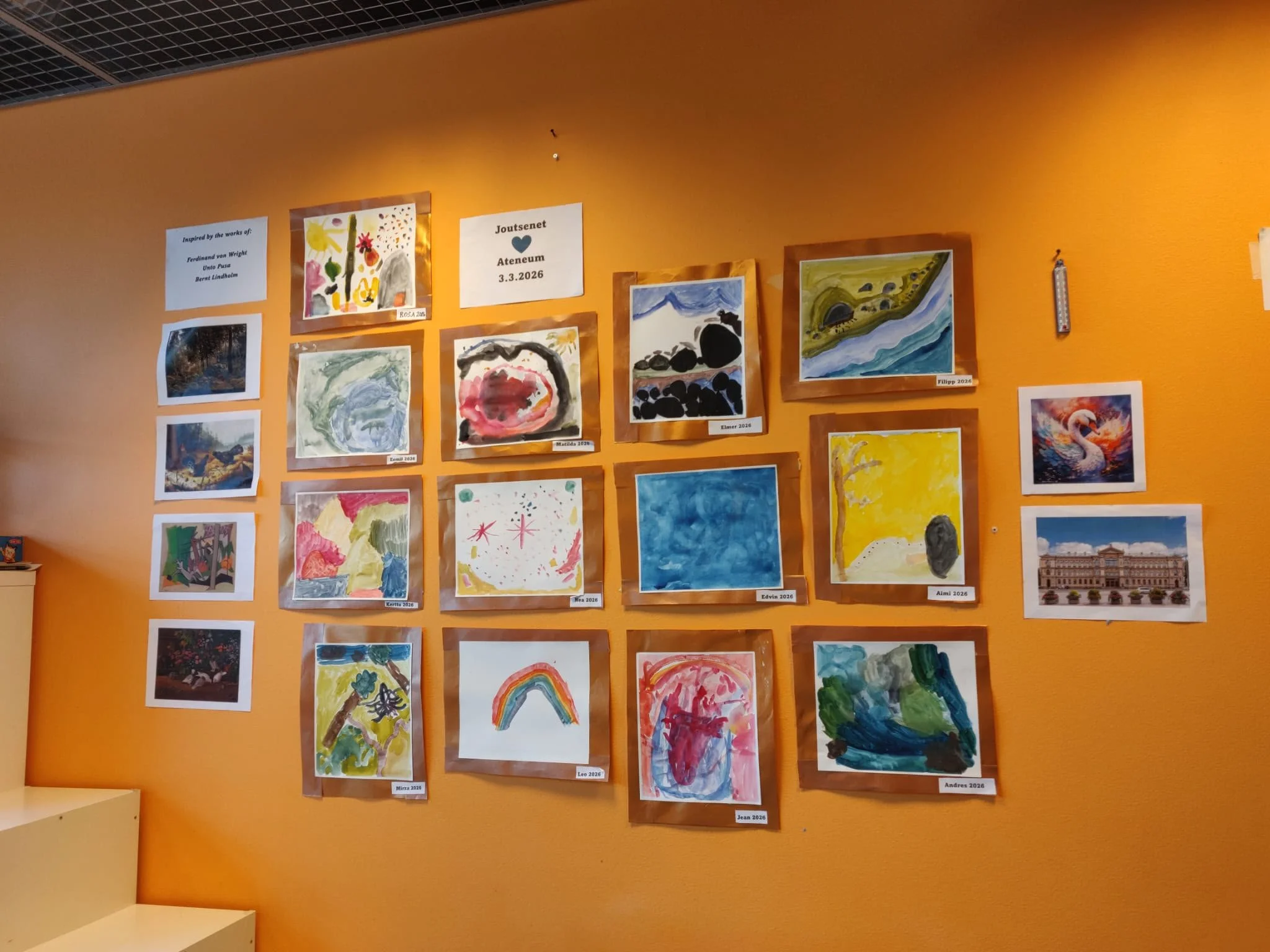
Together, we practise using kind words and behaving kindly, as well as learning how to respond when mistakes or accidents happen. We regularly practise noticing the good in one another.
Shared daycare centre events and celebrations of different cultures, which we participate in together, are also important in strengthening a sense of belonging. The same applies to shared singing sessions and other projects between the groups.
Sometimes, the most important moment of the day can be when a preschooler gets to hold a younger child's hand and accompany them to their own group.
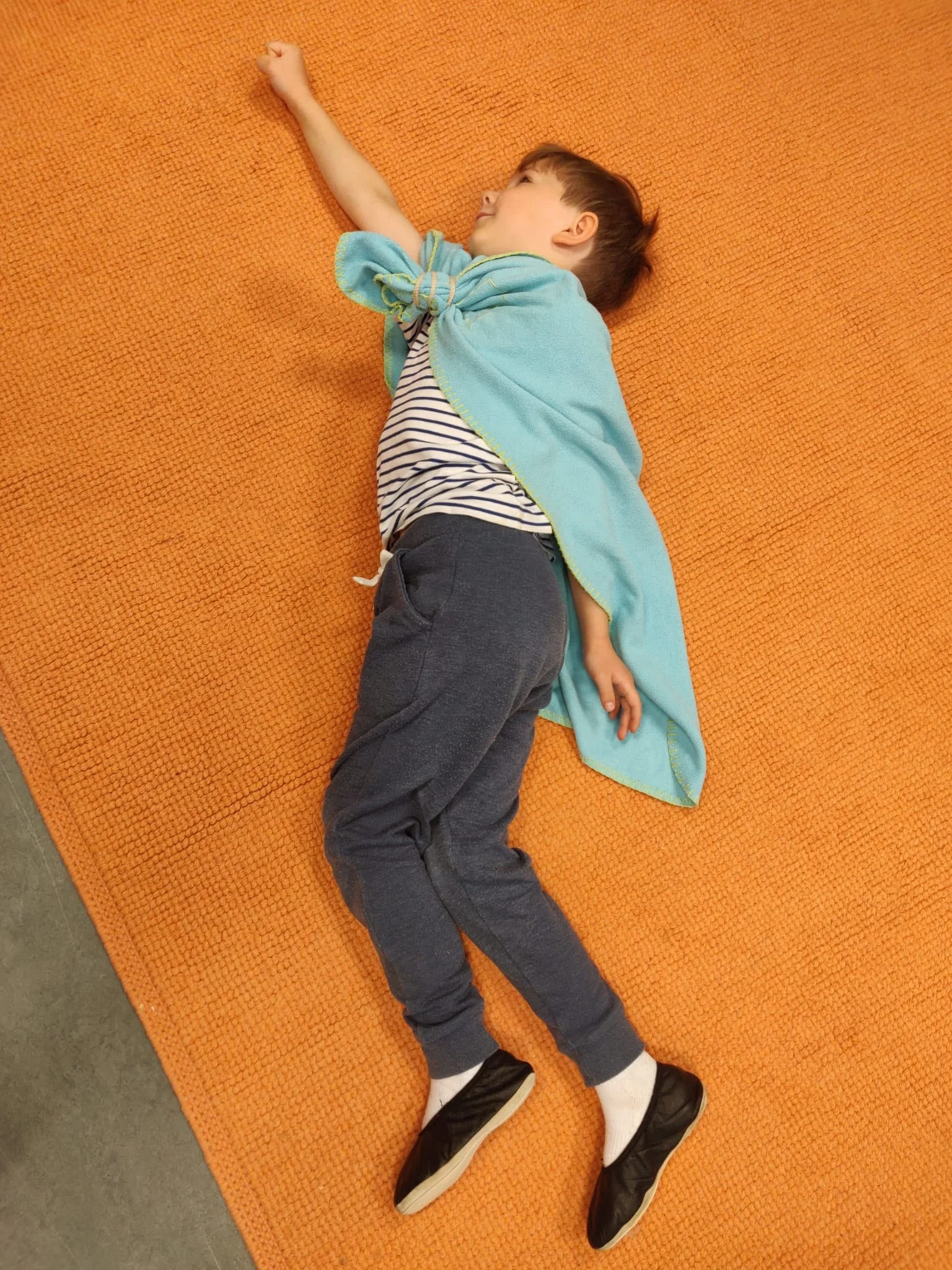
At the heart of our approach is the belief that every child has their own "superpower".
The preschool year at Kamukoti has been successful when, by the end of it, every preschooler knows what they are already quite good at and where they still need more practice.
At its best, preschool education is the joy of learning that gives children wings for life.
Welcome to discover what we do!
Original text translated by ChatGPT.