
Using Visual Supports in Everyday Life with Preschool-Aged Children
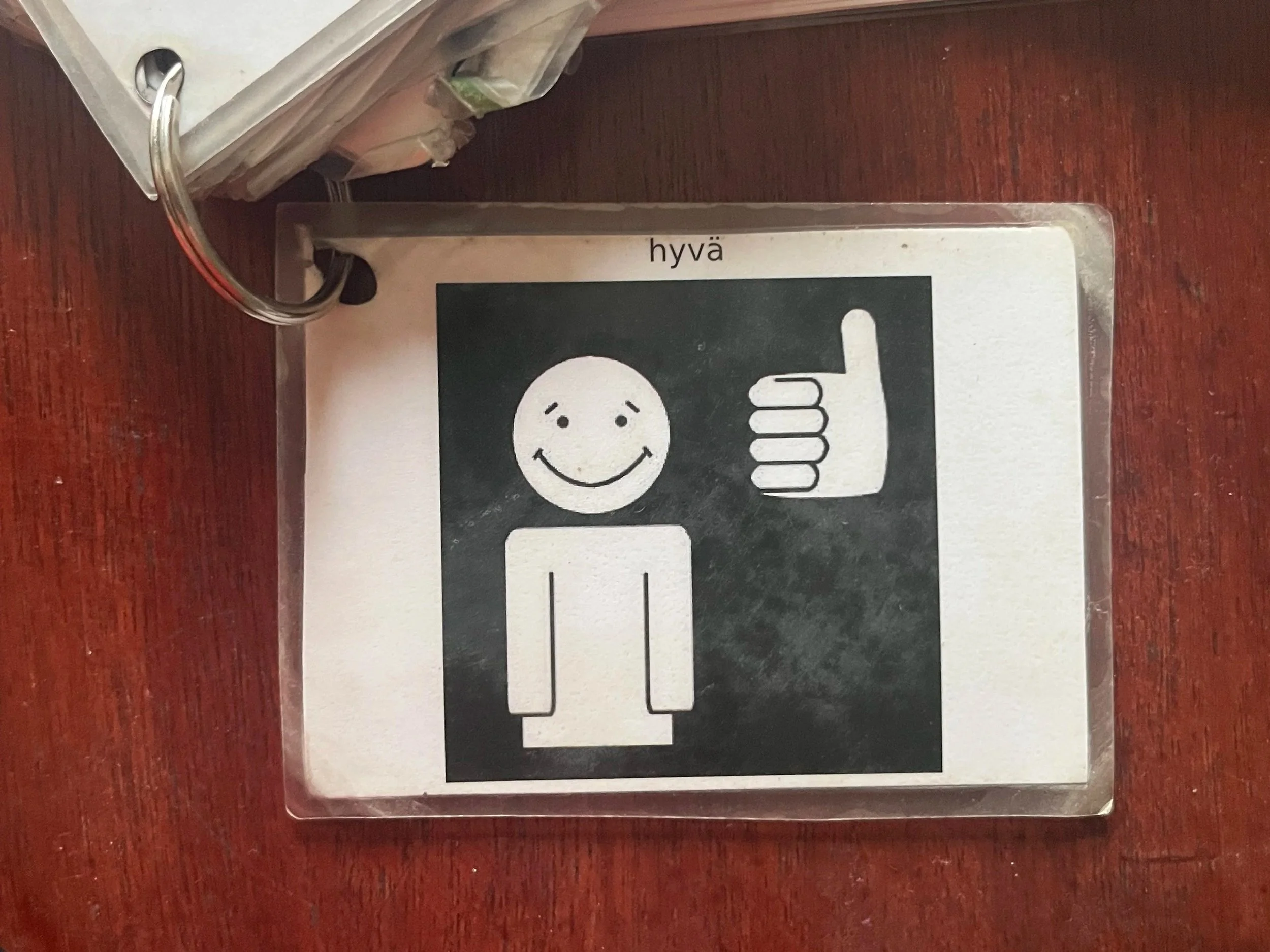
The use of visual supports is surely familiar to all early childhood education professionals. With the help of visual supports, we can communicate more clearly with children about the events of the day, emotions, instructions, and almost anything else. Visual supports are used alongside and to support spoken language, which promotes language development and, in particular, helps children with executive functioning and understanding. Visual supports also help strengthen children’s participation and sense of inclusion.
Many early childhood education settings actively encourage the use of visual supports. But can the same approach be used at home as well?
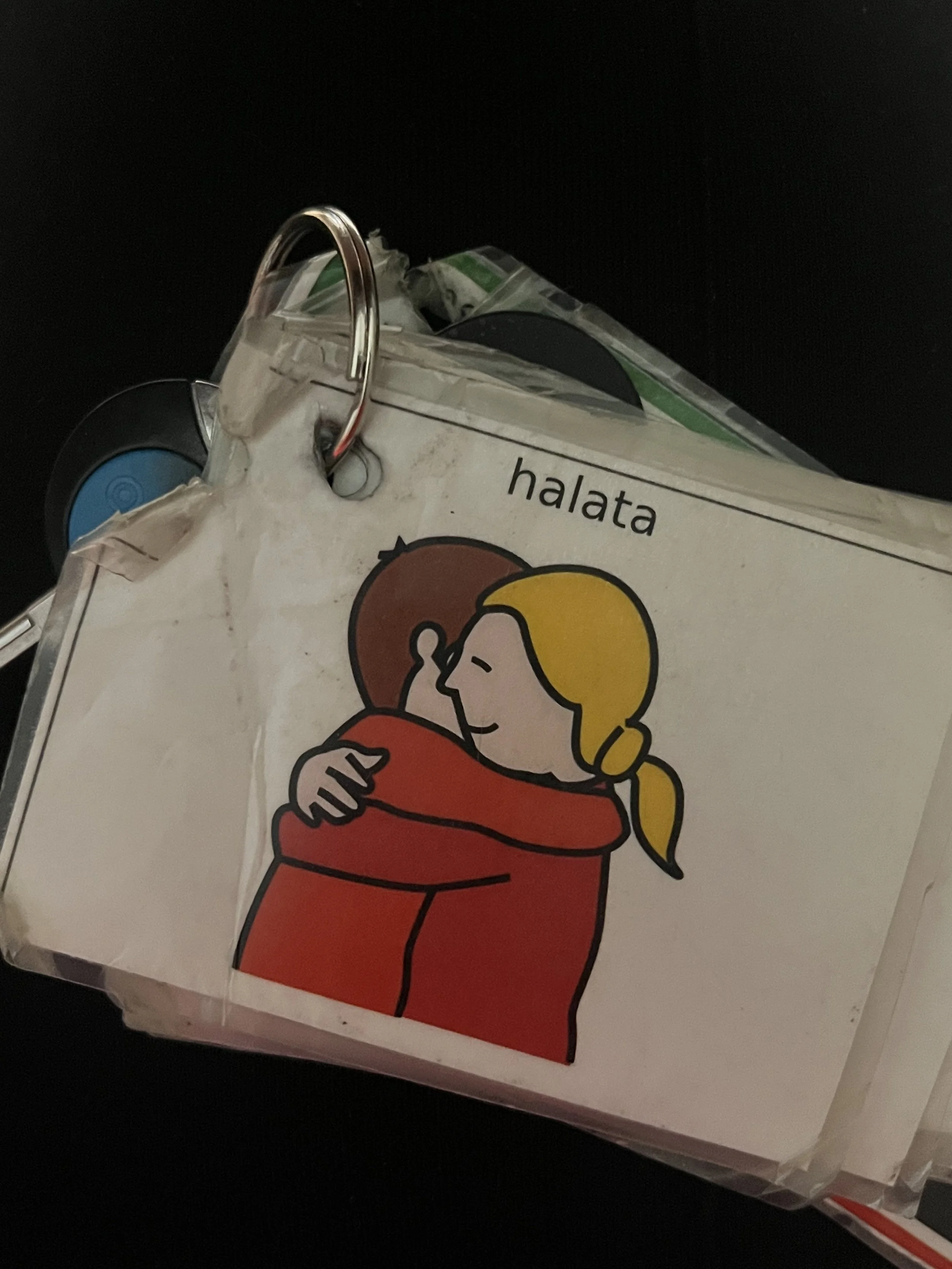
Absolutely—and it is definitely worth doing! The websites Papunet and Viitottu Rakkaus are excellent resources for using visual supports. With Papunet’s picture tool, you can choose the most suitable visual supports for your everyday needs. On Viitottu Rakkaus, you can find, for example, social stories that you can use with your child to practise how to act in different social and interaction situations.
But what if you find yourself in a situation where visual supports are not readily available? One of the great things about visual supports is that you can also draw them yourself. In the busy everyday life of early childhood education, there is not always enough time to print detailed visual supports—for example, when going on an outing. In these situations, we have sometimes drawn the visual supports ourselves. For example, when going on an outing, we may want to emphasise the importance of holding hands and staying in line. In this case, we can simply draw these things on a regular A4 sheet of paper and explain to the children what each picture represents.
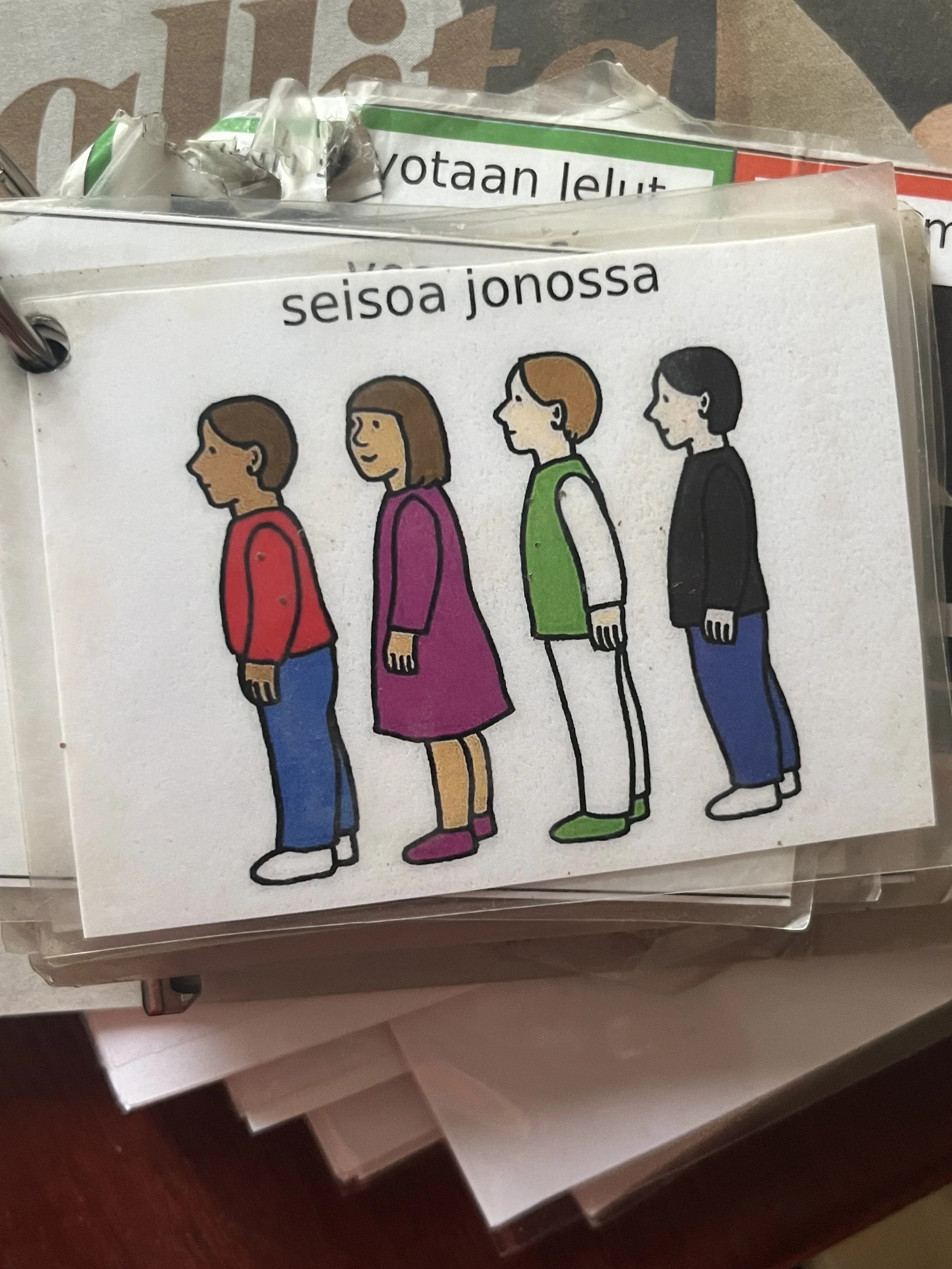
Using visual supports can be incredibly rewarding. One day, it can be wonderful to realise that, after enough repetition, a child has learned to say “pants” through the regular use of visual supports. We may have been using the pictures to practise naming different items of clothing during dressing situations.
Visual supports can—and should—be used with children of all ages, including those who already understand spoken language well. They help and support everyone!
Original text translated by ChatGPT.