
Local Nature, Favorite Spots, and a Child’s Connection to Nature – Why are Daycare Field Trips so Important?
The Early Childhood Education Plan guides field trips to nearby natural areas
Early childhood education is based on the idea of diverse learning environments, which also include nature. The guidelines for the early childhood education plan state that “exploring the environment and engaging with both natural and built environments are an essential part of early childhood education.” In daycare centers, this translates into regular outings to nearby forests, parks, and other natural sites in the local area. Nature offers children learning spaces that cannot be replicated indoors: varied terrain, things to explore and marvel at, and space to move and be heard.
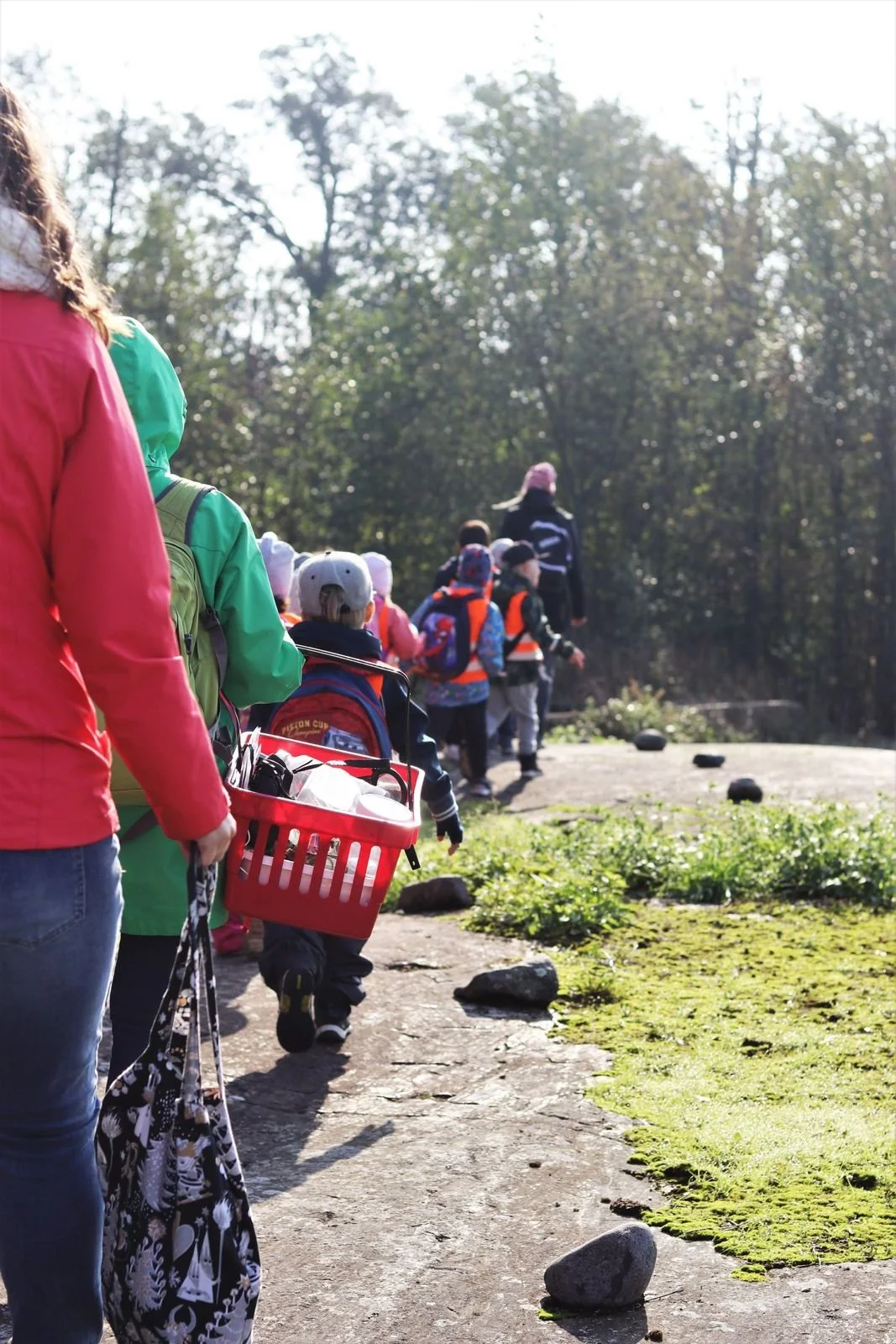
Nature begins right at the daycare center’s doorstep
When we talk about nature, we often think of vast forests, lakes, or national parks. From a child’s perspective, however, nature is much closer. A single tree, a small grove behind the daycare center, or the bushes in a nearby playground can be entire worlds, full of life and opportunities for exploration! Adults often seem to forget just how big the world is from a child’s perspective.
Local nature is important precisely because it is easily accessible and part of everyday life. A connection to nature isn’t built through rare trips far away, but through repeated, everyday experiences in familiar surroundings.
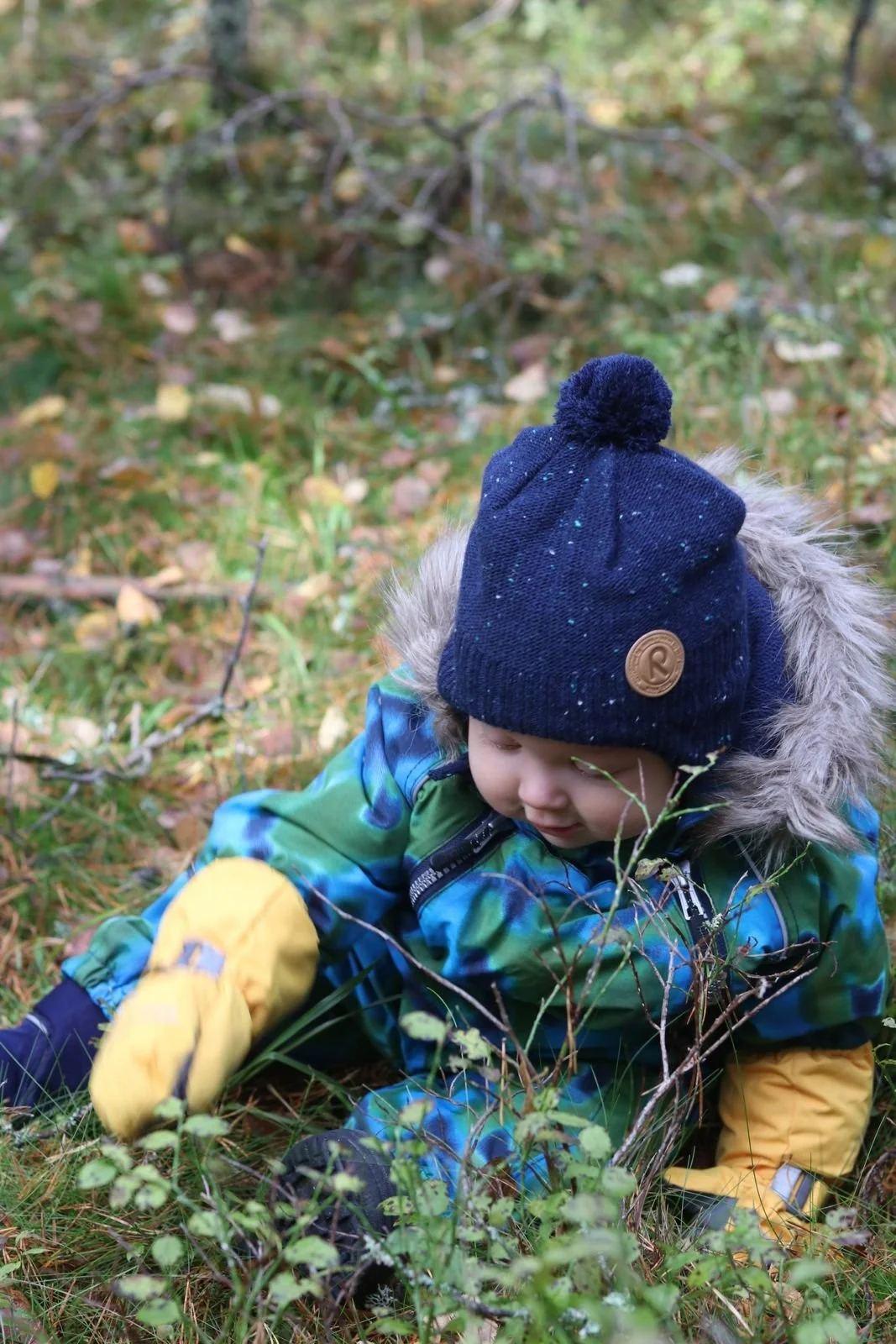
Daycare field trips to nearby nature equalize nature experiences
Regular field trips to nearby nature by daycares create a strong foundation for the development of children’s relationship with nature. At the same time, these outings level the playing field for children: not all families visit nature, but in early childhood education, every child gets to participate in nature experiences regardless of their home background.
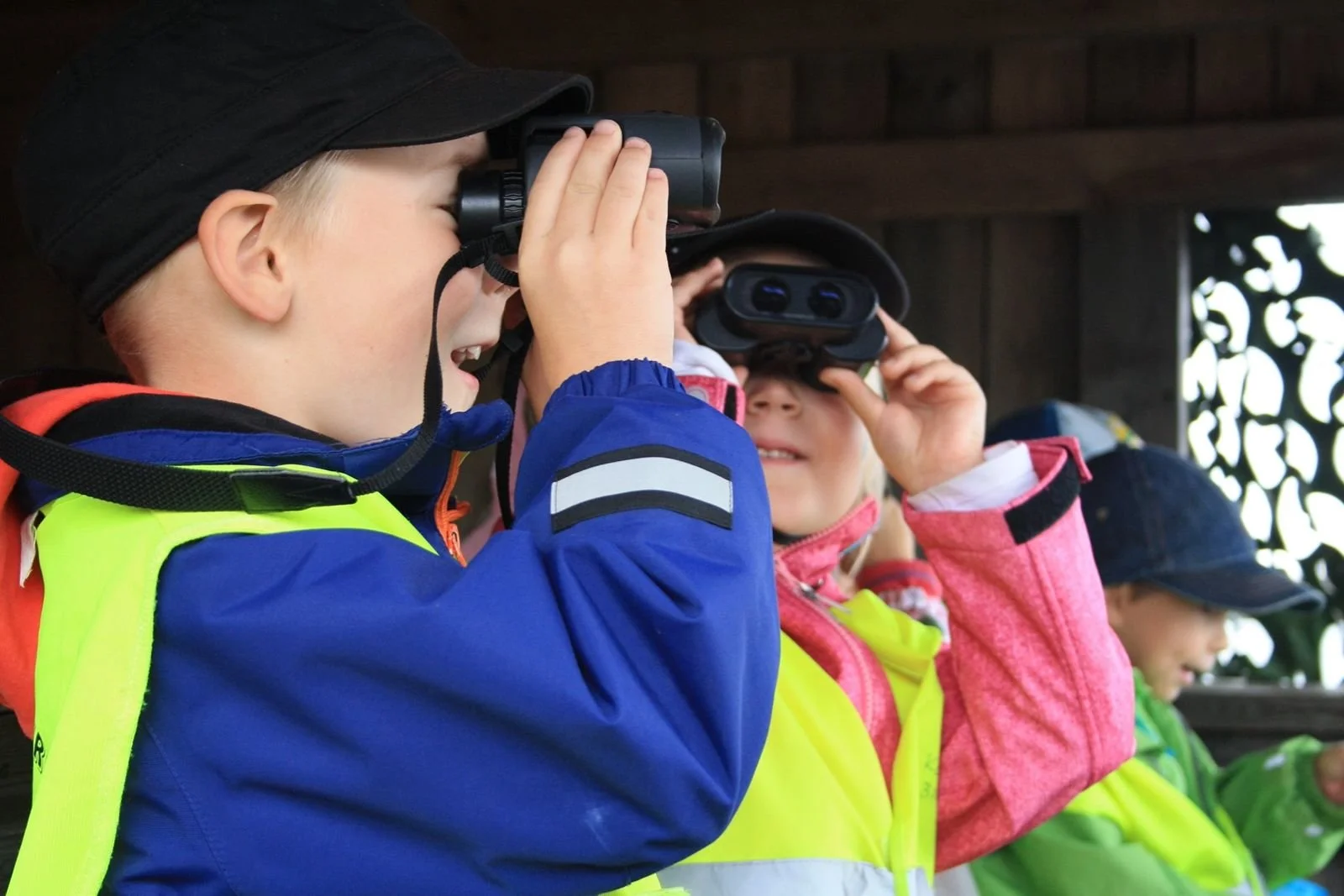
Spending time in the local natural environment is important and supports a child’s development in many ways:
• Stress decreases and mood improves
• Play becomes more varied and imagination is enriched
• Motor skills develop in varied terrain
• Exposure to nature’s microbes strengthens the immune system
• A sense of security grows as children become familiar with their local environment
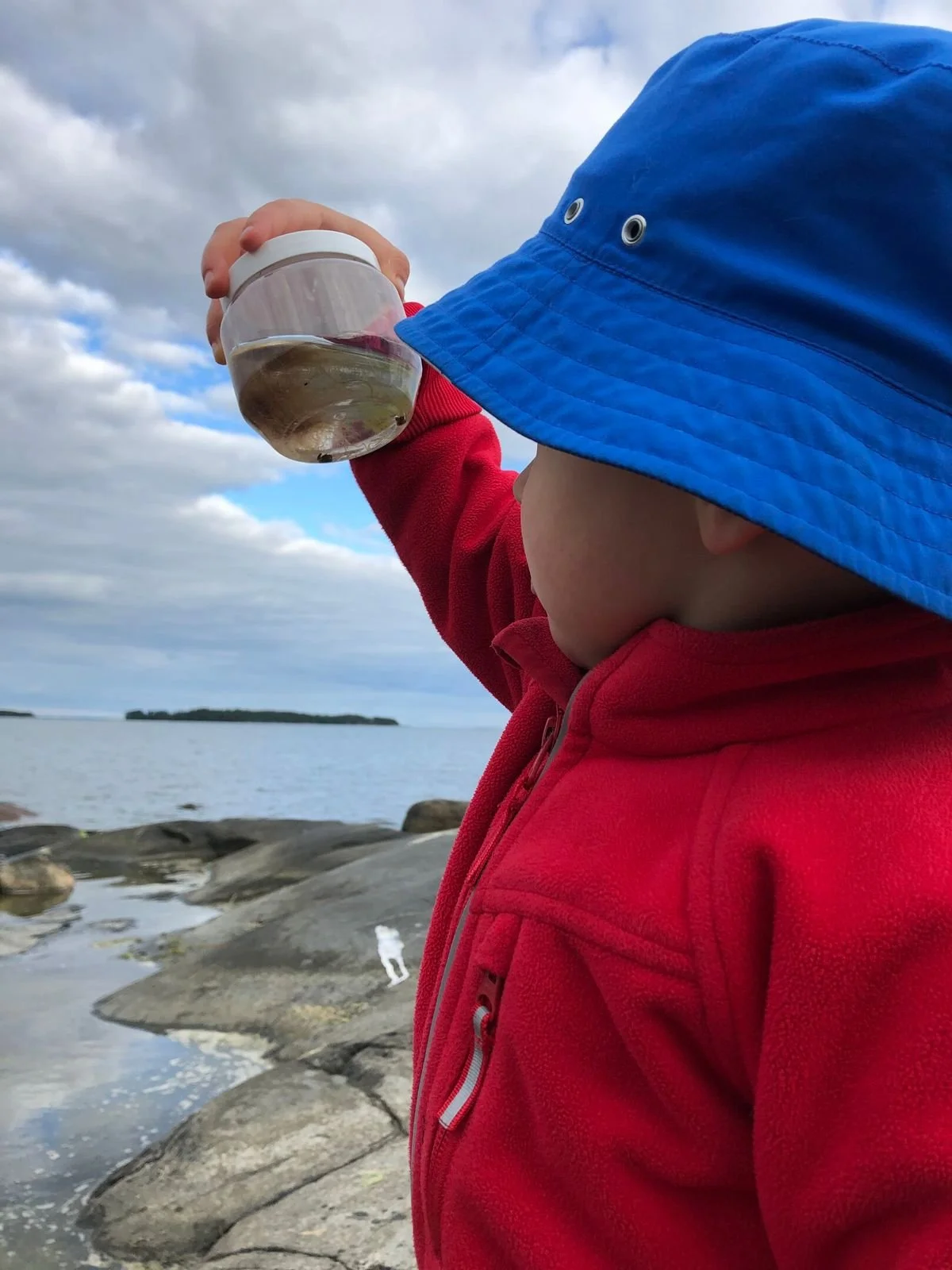
Nature is thus an environment for both well-being and learning, and daycare field trips ensure that every child gets their share of it.
Favorite spots – important anchors in a child’s relationship with nature
Many of us surely remember a special place from our childhood: a big tree to climb, a small grove, or a hiding spot in the bushes. These special places, known as “favorite spots,” play a significant role in the development of a child’s relationship with nature and the formation of their identity. Favorite places can strengthen a child’s sense of agency, as they get to explore and play at their own pace in a familiar setting, and at the same time, the time spent there strengthens their relationship with nature through a personal and emotional connection.
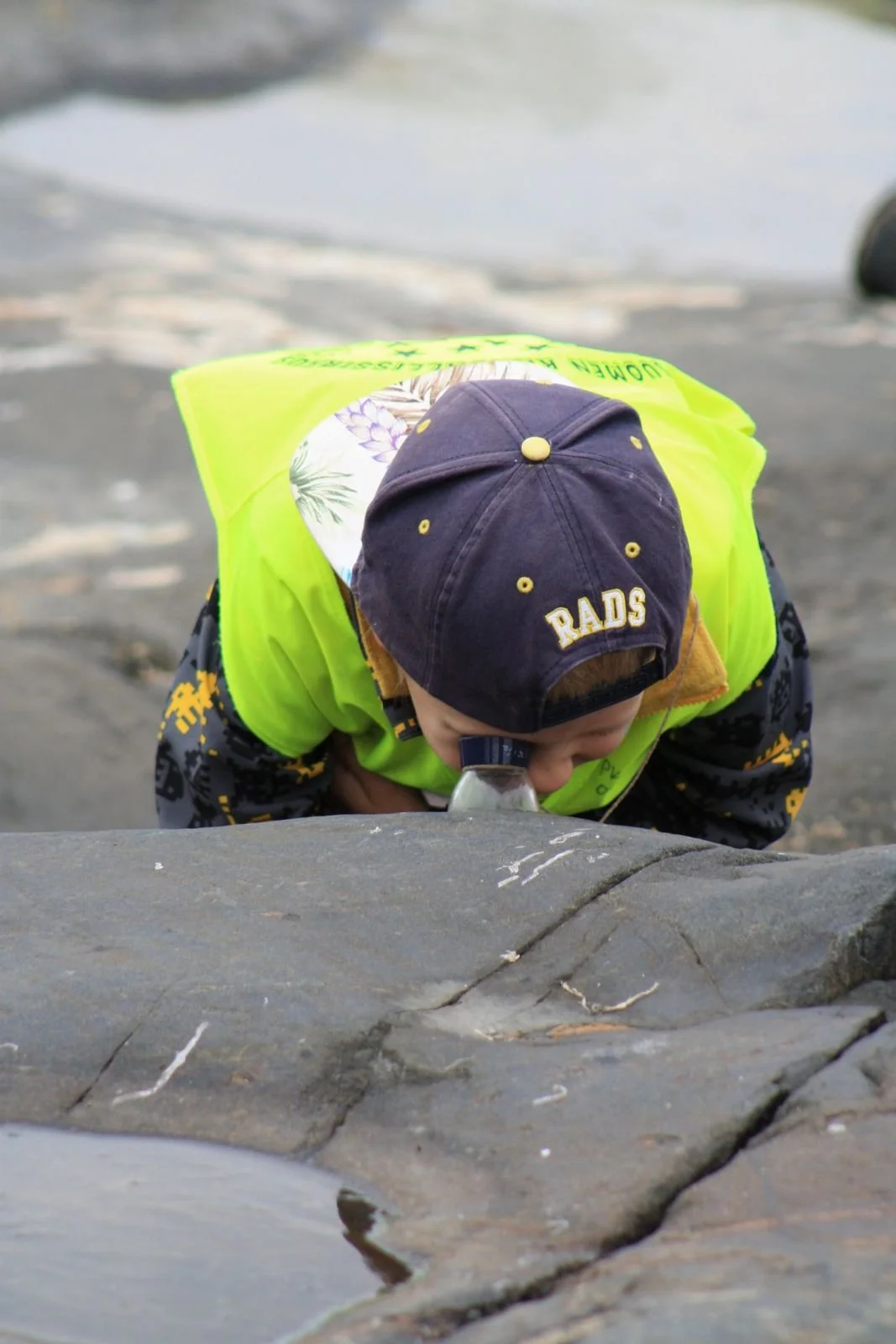
When a child spends time in a place that feels like their own and safe, they become attached to it. If this place is in nature or a green environment, this attachment often extends to nature in general.
Familiar local nature sites hold special value for daycare field trips
Weekly daycare field trips often head to the same local nature sites. A familiar place is pedagogically valuable for a child: play begins immediately, there is no need to spend time getting to know the environment, and changes in nature are noticed more readily. A familiar place can also become the group’s shared favorite spot, which increases a sense of belonging and strengthens the children’s relationship with nature.
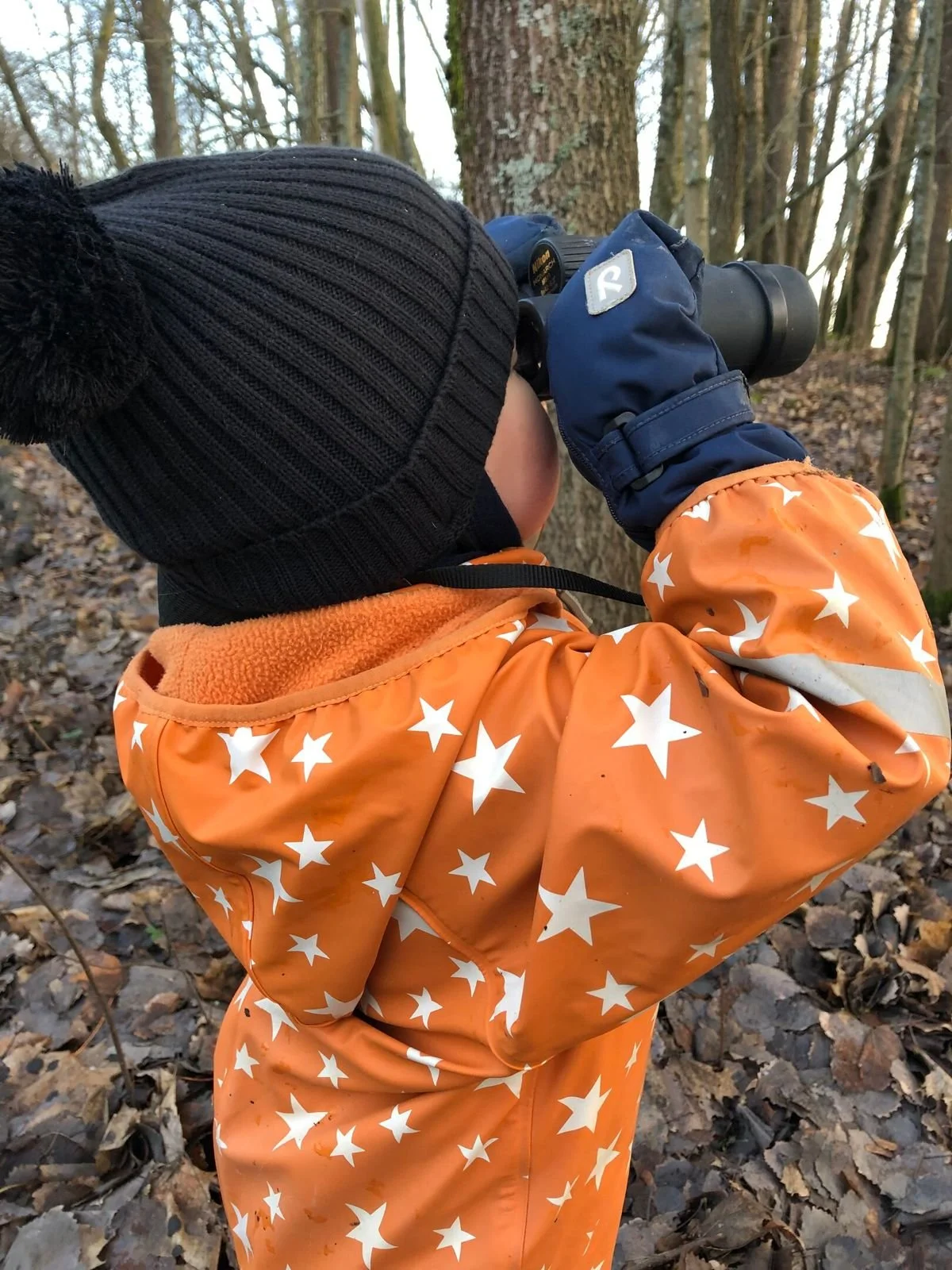
Outings to nearby nature areas are much more meaningful than is often thought
Daycare outings to nearby nature areas are not just a pleasant change from the daily routine. They are an important part of early childhood education and the children’s well-being. Through these outings, every child has the opportunity to build their own relationship with nature, develop their motor skills, play creatively, and experience the calming effect of nature.
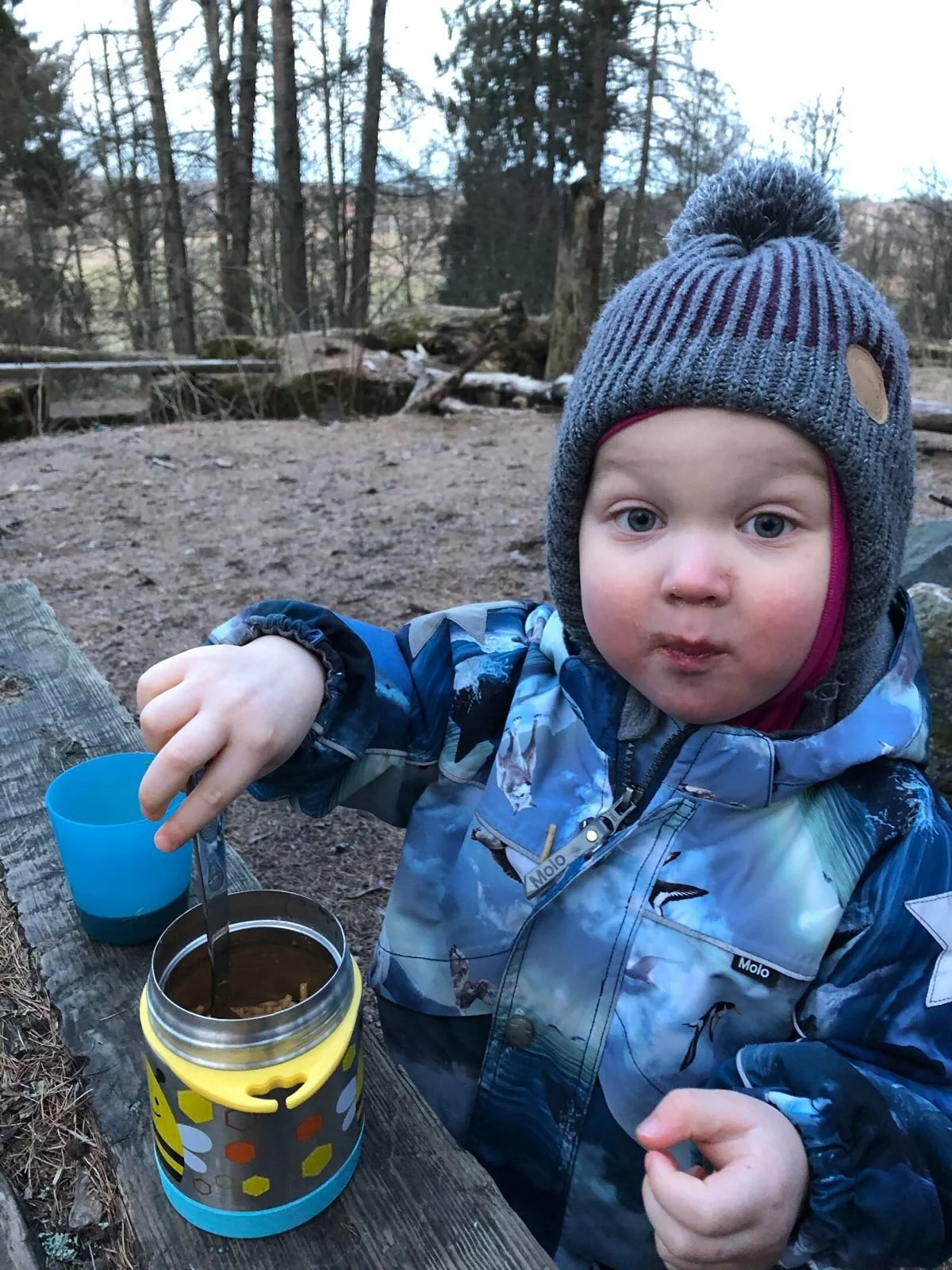
You can easily support this development at home. One simple way is to ask your child to show you where the daycare center goes on outings and what kinds of games they play there. In this way, home and daycare intertwine in the child’s experiences, and their relationship with nature is strengthened naturally and communally.
The text was written by Marianne Saviaho, M.A., an environmental education planner who has supported the development of environmental education at Kamu Early Education.
The original text was translated by ChatGPT.