
Creative Minds at Work – The Role of Arts and Crafts in Building Focus and Concentration in Early Childhood Education
As a kindergarten teacher of the Leppikset group consisting of three and four-year-old kids, I get an opportunity to see children learn and develop on a daily basis. One of the most exciting part of my job is watching how kids become fully absorbed in doing creative tasks. Although creative activities such as arts and crafts may be considered recreational, they provide a lot of learning opportunities which help children develop both cognitively, emotionally, socially, and physically. Through my observations, I have noticed that creativity helps improve children's ability to concentrate and regulate themselves.
Children between the ages of three and four are naturally curious and learn best through play and exploration. They have developing attention spans and need engaging tasks to keep them occupied. Arts and crafts are perfect for teaching because they offer creative, challenging and explorative experiences. From coloring to cutting and pasting, from gluing to making collages, children are exercising their ability to concentrate on one task to completion.
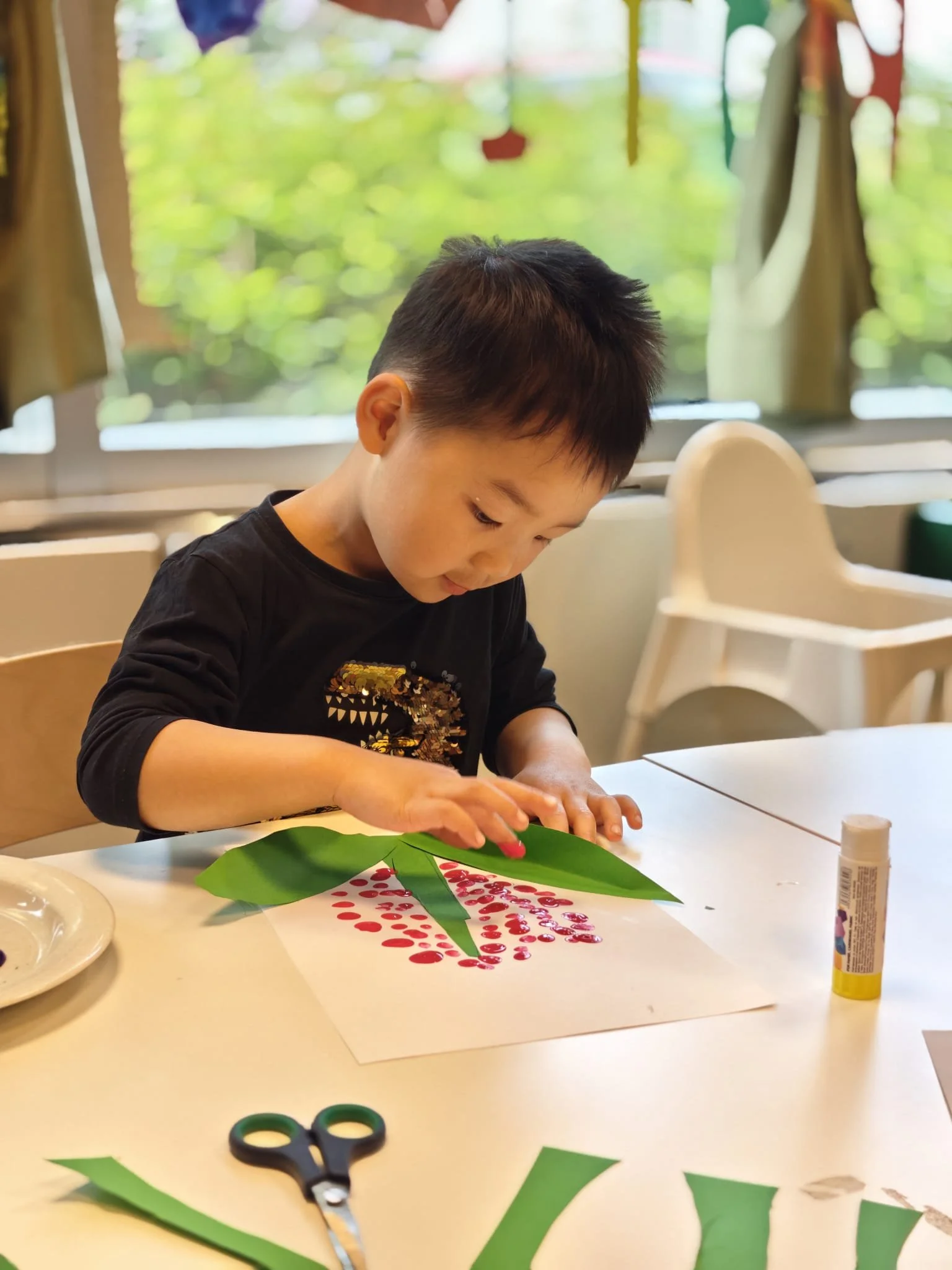
Making Spring flowers.
In our Leppikset classroom, arts and crafts are part of our learning activities on a daily basis. At times we create seasonal art work based on nature, we make art work out of recyclable material, we paint using various techniques, and craft work depending on our theme of the week. Sometimes we collect leaves, sticks, flowers, or stones during our forest walks and use these natural materials in our artwork. These experiences encourage children to observe their surroundings carefully while connecting creativity with environmental awareness.
One of the most apparent advantages of arts and crafts is that it helps children build concentration. In the process of doing arts and crafts, children make decisions about colors, forms, and even placements. It teaches children how to follow directions but also give out their own opinions at the same time. Completing each step requires patience and careful thinking. Even kids who tend to have trouble staying seated tend to get completely involved in their art, showing a greater ability to focus than they do in other activities.
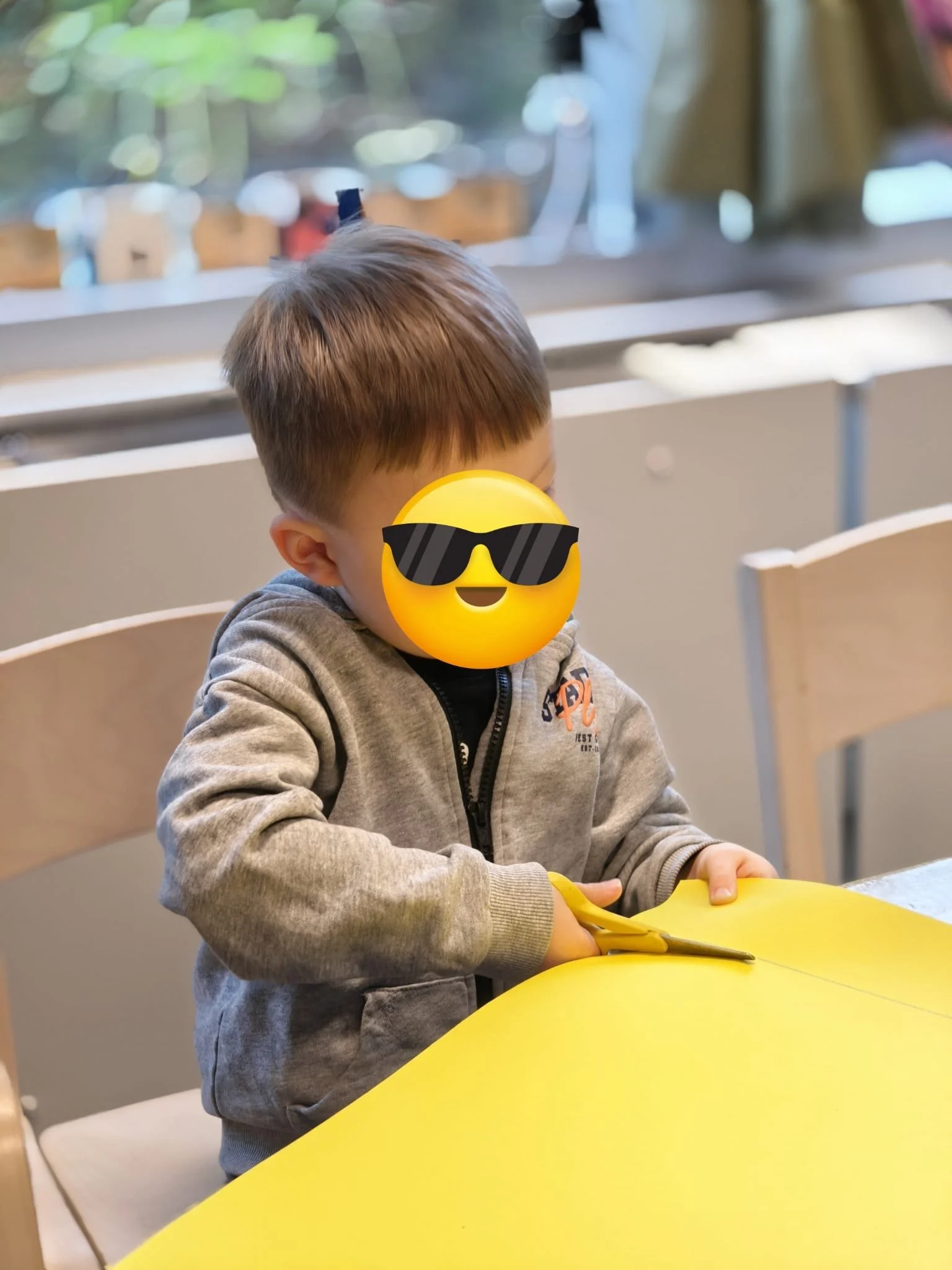
Practicing cutting with scissors on a straight line.
Arts and craft activities also aid in developing fine motor skills. The use of a paintbrush, scissors, and handling objects, as well as applying glue, develops children’s hand and finger muscles. Fine motor skills are required for future activities like writing and dressing up. As the motor skills of the children develop, they tend to become more independent and ready to engage in more difficult tasks.
Moreover, an important benefit that comes with engaging in creativity activities is the acquisition of problem solving skills. Projects do not always go as expected, and at times colors might end up mixing inappropriately, glue may fail to work, or an idea needs to be altered. Rather than taking such moments as a mistake, children learn to get creative and keep on working.
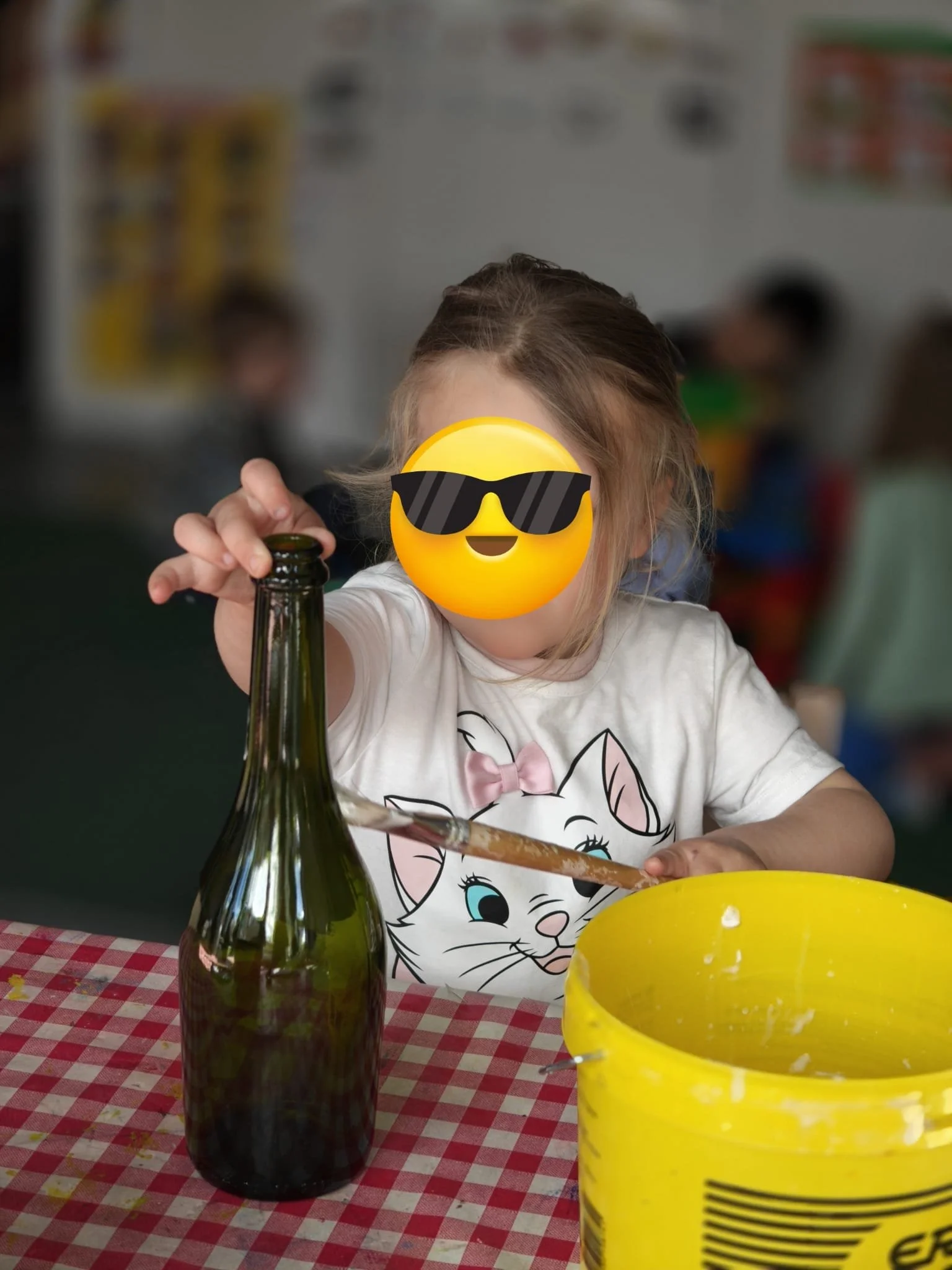
Making Mother’s Day gifts.
Arts and crafts also contribute to children's emotional well-being. Creative activities provide a calm and relaxing environment where children can express their thoughts, emotions, and imagination without fear of making mistakes. I often notice that children become peaceful and deeply engaged while creating. This quiet concentration allows them to regulate their emotions and experience a sense of achievement when they complete their work.
More so, group projects involving arts help to develop the social skills of children. Children learn how to share materials, how to wait for their turn patiently, and how to communicate their ideas. This helps to improve friendship among children and create a positive learning environment in class.
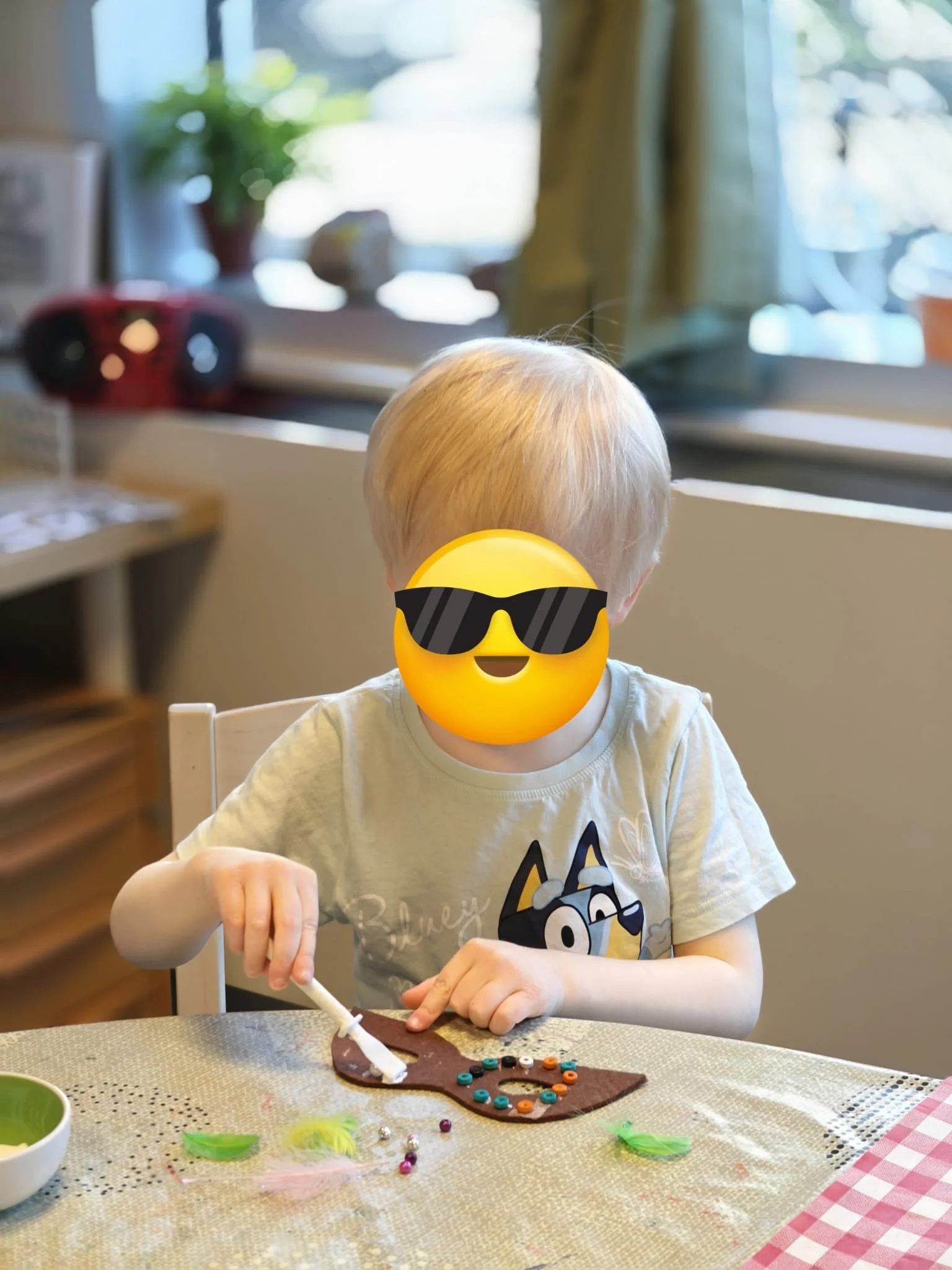
Decorating masks.
The Finnish National Core Curriculum for Early Childhood Education and Care (VASU) emphasises holistic learning, play-based pedagogy, participation, creativity, and the development of transversal competencies. Arts and crafts inherently promote all of these aspects as they allow for exploration, investigation, creation, and expression on the part of the learner. The process of learning is highlighted rather than only the end result. This view is highly congruent with my own pedagogical beliefs in that the efforts of each and every child are cherished and valued.
As an educator, I believe my role is to create a safe, supportive, and inspiring environment where children feel confident to experiment and express themselves freely. I encourage children to make their own choices, solve problems independently, and take pride in their unique creations. Every piece of artwork tells a story about the child's thinking, imagination, and learning journey.
Parents have an equally significant role to play in facilitating creativity and concentration among children at home. For instance, simple tasks like coloring, painting, sketching, preparing greeting cards, collage-making from reusable waste items, and creation of art from objects found from family walks are all effective ways of learning. Most importantly, these are effective moments for families to bond together.
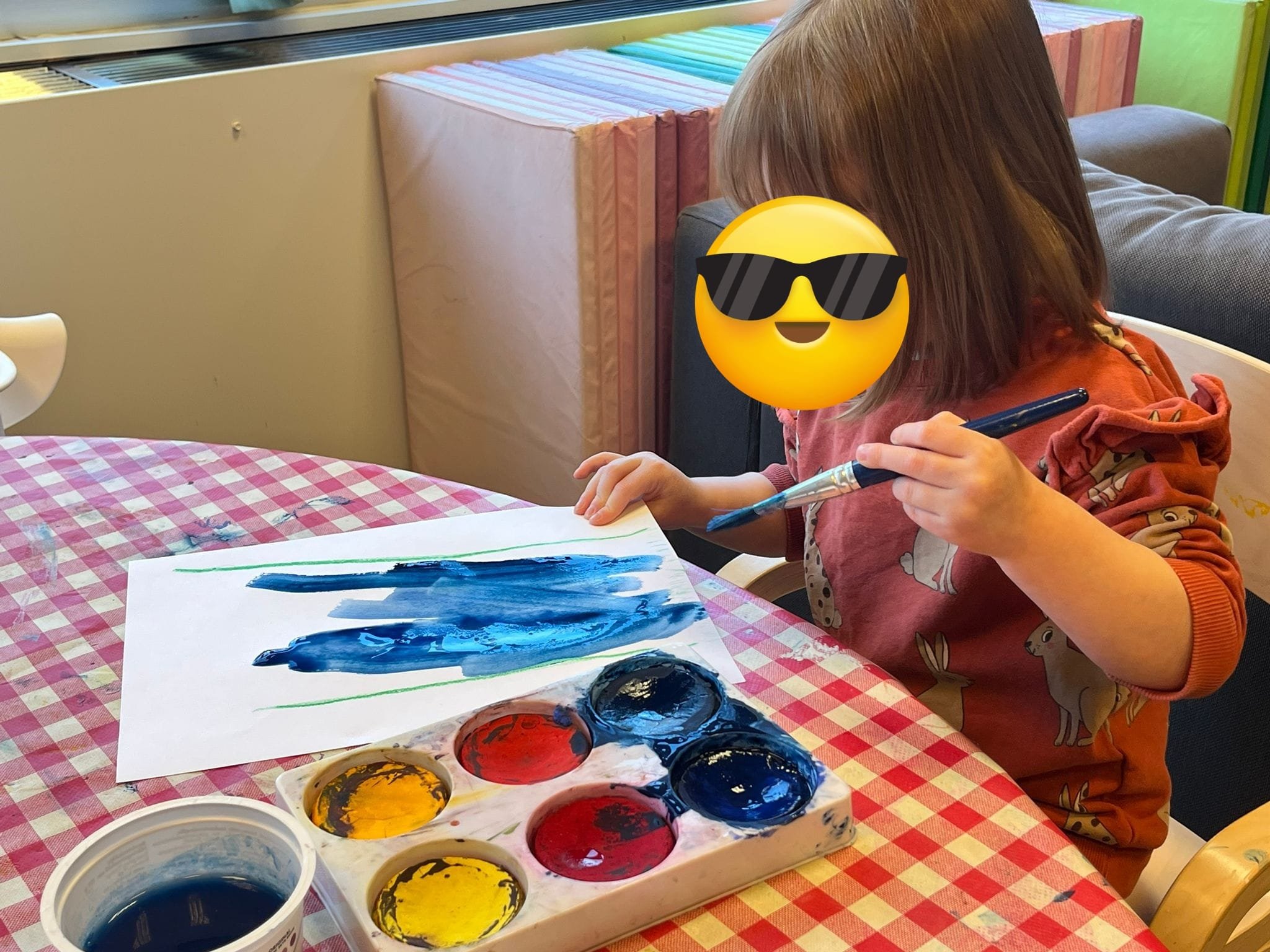
In my experience with the Leppikset group, I have seen that arts and crafts do not only foster creativity but help improve a number of other abilities such as concentration, fine motor skills, self-respect, happiness and even socialization. Every activity is an opportunity for children to explore and learn through play.
To conclude, arts and crafts are not merely activities done in class; they are highly significant learning activities that will set kids up for their whole lives ahead. Through art and crafts, we give kids an opportunity to discover themselves and, thus, build their confidence, resilience, and focus which they need in the future. It is a special gift to be a teacher at the kindergarten level and experience these everyday miracles of growth when kids' paintings become proof of their development.