
Quality over quantity: Rethinking Adults’ Involvement in Children’s Play
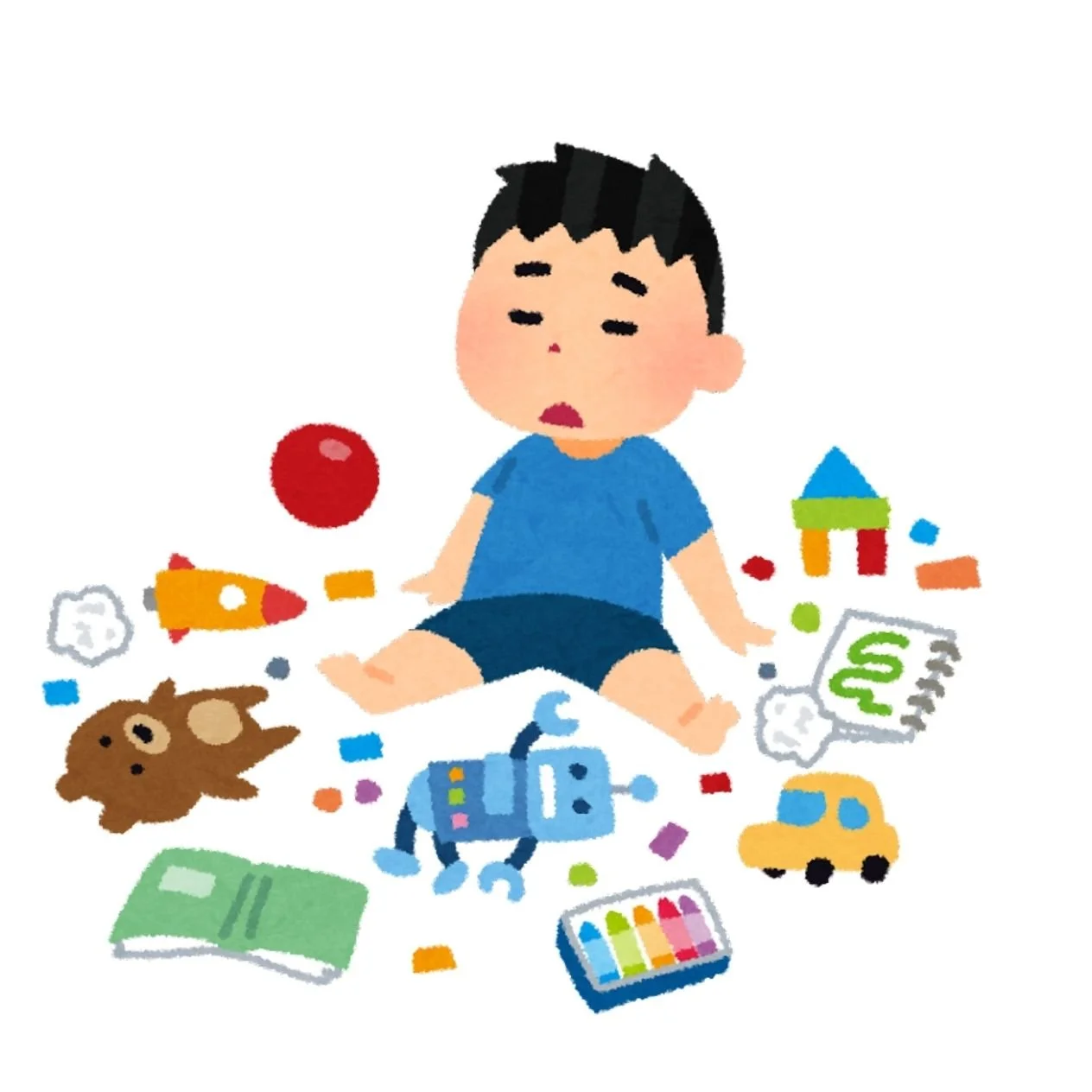
Caring for children under school age often means providing constant supervision and support. Some parents feel guilty when they are not actively accompanying their children, especially during rare moments of free time. They worry that if they do not use more time to spend with children, they might miss something important.
In fact, children do not benefit most from adults being physically close at all times. Children grow best when adults are emotionally available, attentive, and supportive, without being involved in every moment.
This article does not claim there is a right or wrong way to raise children. If you are balancing work, caregiving, household tasks, finances, and relationships, you should be already proud of your resilience. We aim is simply to offer you another perspective and help you notice choices you may already be making, now with more awareness.
Quality matters more than quantity
At Kamukoti, early childhood education is built on the notion that young children need emotionally available adults, not constant adult involvement. Adult presence often looks quiet from the outside: The staff do not constantly play with children. They observe. They listen. They step in when needed. They step back when the child is capable.
Adult’s presence means:
The adult notices the child’s verbal and non-verbal cues of needs and emotions.
The adult responds when the child seeks contact.
The adult keeps the environment safe and routine predictable.
Adult’s presence does not mean:
Leading every play.
Explaining every step.
Correcting every mistake.
This approach is based on the understanding that children are capable and active learning agent: Children are naturally curious and capable. When a child has learned, through everyday experiences, that the world is safe enough and that adults can be trusted, they will have the courage to follow their natural curiosity and desire to explore the outside at their own pace, because they know that they have a safe base that is always there for them.
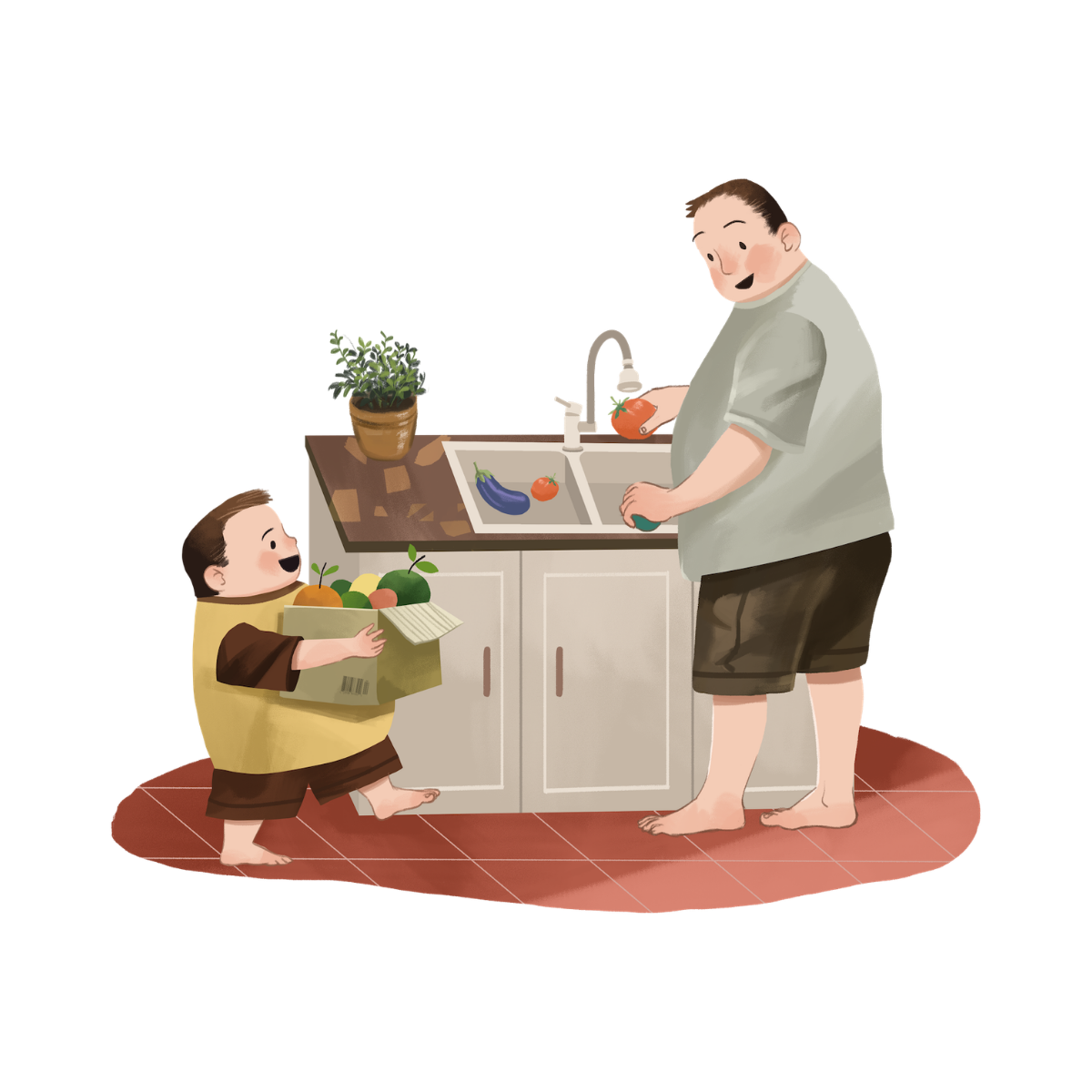
Research shows that children benefit most from the moments of genuine connection, and those moments doesn’t need to be long. You can often see this in young children who can move independently. The child may play on their own for a while, return to the trusted adult’s lap to “refuel” with affection and safety, and then happily return to playing. What matters here is not filling every moment with activity, but calm and responsive presence.
This can be reassuring for busy families. It means that you do not need to accompany your child every time you are free. What your child needs is to know that when they seek you, you are there.
Adult’s constant involvement can be tiring for everyone
Allowing children to move freely in a reasonably safe environment, play independently and minding their own business, while knowing an adult is nearby, is not wasting time. Finnish ECEC places learning within play, relationships, and daily routines. Children’s learning is holistic and occurs everywhere at any time. Research highlights the importance of self-initiated play for developing concentration, problem solving, and emotional regulation. These skills are foundational for future learning.
Constant adult involvement in children’s activity often comes from good intentions. However, it can easily lead to adult-dominance that hinder children’ development in self-initiative, patience, and the ability to engage independently with their own thoughts and play.
· For example, babies like to put things in their mouth, they are not “using it incorrectly.” They are exploring through their body, which is the primary way babies learn. When an adult quickly steps in to demonstrate the “correct” way to play, exploration turns into instruction. Over time, such intervention can reduce the child’s natural curiosity and willingness to explore independently, as the child learns to wait for guidance rather than following their own interest.
· Another example: A two-year-old is stacking blocks. The tower falls again ana again. The child pauses and frown. This is the moment that problem-solving, emotional regulation, and persistence develop. If an adult steps in and directs choice, the child might get the outcome that he expected, but at the same time he has lost the chance to discover a solution independently. Repeated experiences like this teach children to rely on adults to solve problems instead of trusting their own thinking.
· Often, we see in public space such as in a restaurant that children are offered screen to watch children program when their parents are eating and chatting. Children stay outside the face-to-face interaction with other family members and miss chances to practice waiting, observing, taking initiative to interact. They only learn that discomfort must be removed immediately. And this can make everyday situations harder, not easier. Overtime children will also get more struggle when life doesn’t cater to them.
Adults, on the other hand, pay a price. As what mentioned earlier, adult often carry many things in their mind at the same time and try to find a balance. When free time turns into another task, exhaustion grows. This can reduce patience and joy in daily life. As mental load increases, adults have less capacity to respond calmly and thoughtfully. This directly affects the quality of interaction with children, the tension among adults caused by the different child raising styles also become more visible. One adult may encourage the child to practice eating independently, although there is a mess around the dining area. Meanwhile, another adult cannot wait to step in immediately to “save the situation”. The inconsistency can lead to frustration among adults, while the child receives mixed messages, feels confused or unheard, and the routine is interrupted. Daily life can feel tense and rushed.
How can we make a change?
Tips for action
1. Be predictably available
Tell your child what you are doing and where you are. Use clear words and gestures. Keep your promise. For example. “I am in the kitchen to prepare dinner. You can play here and see me.” if If you promise to play with your child after food making, do so.
2. Maintain the routine with reasonable flexibility
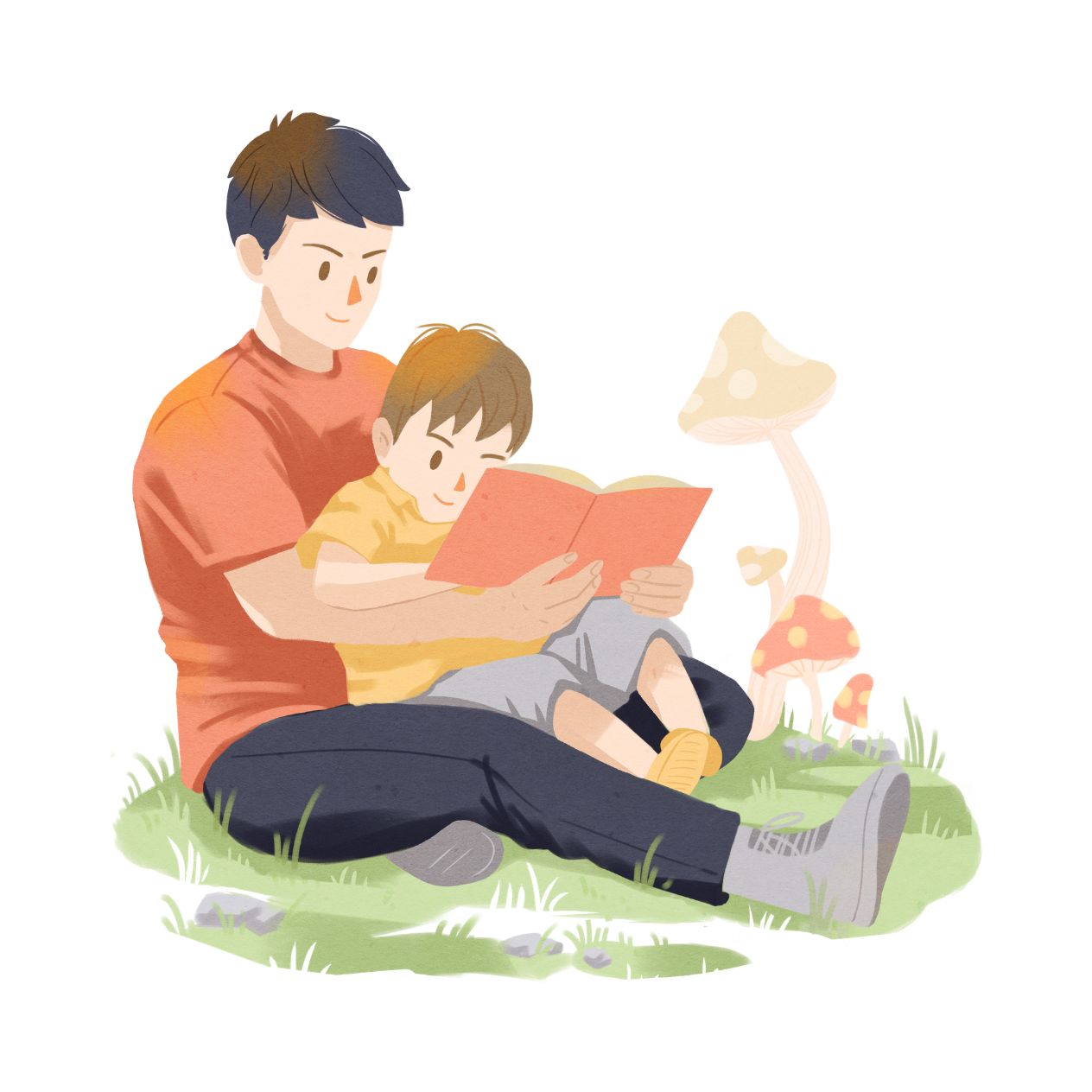
Keep a consistent daily routine to give children a sense of order and safety. Routine helps children know what to expect next. At the same time, you need to keep some flexibility for adjusting when needed, not removing structure. For example, lunch usually happens at the same time. If a special event delays it, explain this clearly to your child beforehand and prepare a light snack for the child to take an hour before lunch. Return to the routine the next day.
3. Include children in daily chore
Regular participation in daily chores turns everyday tasks become learning opportunities. The task should be challenging but achievable with the child’s effort. For example: Your child helps load laundry into the washing machine. The child practices motor skills and self-care skills. He also develops the feeling that he can take care of parents and his contribution is appreciated. It will enhance his positive self-image, confidence, and sense of responsibility.
4. Create safe independent play spaces
Prepare an area where your child can play freely: Put few age-appropriate toys or books within the child’s reach, so child can choose independently. Ensure furniture is stable and small objects that could be swallowed are out of reach. Cover the electrical outlets. If necessary, use fence or lock the rooms that you don’t want the child to enter, to limit the activity area so the child can stay safely in one spot for a short while without an adult nearby. When taking child outdoors, have a walk around the area that is suitable for your child to freely explore. If possible, invite your child to join to clear obvious hazards, such as sharp sticks or glass with proper gear for safety reason. Use visible landmarks like a tree, a bench, or a path as boundary and say, “You can play between this tree and that bench,” “This path is your play line,” or “Stay where you can see me, and I can see you.”
5. Regular quality time with your child
Creating predictable moments that you are fully available for your child. When children can trust that connection will happen again, they do not need to constantly seek it. You can encourage your child to tell her wish and suggest some activities that follow her interest. For example, every evening after dinner, you have a 30 minutes’ walk with your child outside. You can provide some destination options and let your child decide one. You can choose one place for the whole week, or change the place every three days. This special time does not need a clear “learning goal.” Follow your child’s observations and let your interaction grow naturally from your conversations. Most importantly, respect your child’s pace, stay present, and enjoy the moment without letting your mind wander elsewhere.
6. Observe before intervening
When children struggle, the adult’s first task is to observe. Not every difficulty needs immediate help. Many learning moments happen in the pause. Watch the child’s emotions and actions: Is the child focused and trying? Are they overwhelmed and close to giving up? If the child is frustrated but still coping, stay close and calm. If emotions escalate, step in with words or comfort.
7. Allow small amounts of boredom
When a child says, “I’m bored,” stay calm. Children don’t need constant entertainment. Boredom often sparks creativity and spontaneous play. You can say, “I wonder what you might find to do,” but don’t offer suggestions right away—just stay nearby. If we always provide immediate solutions, children may become more reliant on external stimuli, like videos, and may stop thinking independently about how to entertain themselves.
We can also help children practice waiting, even for just a few minutes. For example, during dressing, they can quietly wait for a short time, which is a good chance to build patience and focus. Over time, children learn to create their own fun, like sitting and chatting with you while waiting, or singing to entertain themselves. They also gradually understand that “everyone has their own things to do.
8. Accept different caregiving styles
Everyone has their own habits, values, and life experiences. Differences in parenting ideas and approaches are normal and inevitable. Consistency among adults in parenting does not mean everyone must act or speak the same way; it means coordinating on key principles and bottom lines. For example, agreeing on safety, basic rules, and daily routines helps ensure children’s safety and the smooth flow of daily life. At the same time, each adult can adjust details according to their own style and the child’s personality. This way, children experience a sense of security from consistency while also being exposed to diverse ways of interaction, which supports their social and adaptive development.
At the same time, open communication among adults is very important. If one adult acts in a way you don’t agree with, allow them to continue their approach as long as the child is safe, and discuss it privately afterward. Correcting each other in front of the child can cause confusion or anxiety and increase tension between adults, which children notice very keenly. Resolving disagreements privately both protects the child’s emotional safety and strengthens understanding and cooperation among adults. Over time, children grow up in a stable and accepting environment, learning to respect differences and understand that everyone has their own way of handling things.
9. Take care of yourself
When parents feel well, children feel happier too. Caring for babies or young children often leads parents to put their own needs aside, but it is important to pay attention to your own feelings to manage daily life. Engaging in hobbies, meeting friends, or getting proper rest can all recharge your energy. Parents shouldn’t feel guilty for going out occasionally. By working together and giving each other time to relax, even a short break of an hour or two can refresh your energy and mood.
References
MLL 2025. Vanhemman hyvinvointi https://www.mll.fi/vanhemmille/tietoa-lapsiperheen-elamasta/vanhemman-hyvinvointi/
Finnish National Agency for Education 2022. National Core Curriculum for Early Childhood Education and Care. chrome-extension://efaidnbmnnnibpcajpcglclefindmkaj/https://www.oph.fi/sites/default/files/documents/National%20core%20curriculum%20for%20ECEC%202022.pdf
OECD 2021. Starting Strong III. A Quality Toolbox for Early Childhood Education and Care.
https://www.oecd.org/education/school/startingstrongiii-aqualitytoolboxforearlychildhoodeducationandcare.htm
Whitebread, D. et al. 2021. The importance of play. A report on the value of children’s play with a series of policy recommendations.
chrome-extension://efaidnbmnnnibpcajpcglclefindmkaj/https://www.csap.cam.ac.uk/media/uploads/files/1/david-whitebread---importance-of-play-report.pdf
Bowlby, J 1969. Attachment and Loss. Vol. 1. Attachment.
chrome-extension://efaidnbmnnnibpcajpcglclefindmkaj/https://mindsplain.com/wp-content/uploads/2020/08/ATTACHMENT_AND_LOSS_VOLUME_I_ATTACHMENT.pdf